
Expertise provided by Savannah Cain, Clinical Director
You’re calling because he’s in the car outside or sitting on the couch nodding off. You need to know if TruHealing Cincinnati can take him today, or if you’re about to hear “we’ll get back to you in 72 hours” while he changes his mind or overdoses in the next room. You searched “how to get into a mens treatment program fast,” and most of what came back pointed you to general resources and told you to “reach out” without explaining what happens after you do.
First, the part that cannot wait. If he is hard to wake, his breathing is slow or making snoring or gurgling sounds, or his lips or fingertips look blue or gray, call 911 now, before you call any treatment facilities. If you have naloxone in the house, use it and stay with him until help arrives. Admission can come later. Keeping him alive comes first.
If he’s awake and safe for the moment, you have more control over what happens next than it feels like right now. Nobody honest can promise an exact admission time before they know three things: what his insurance looks like, what his body needs medically, and whether a bed is open that day. So this page walks you through each step at TruHealing Cincinnati, an all-male addiction and mental health treatment center in Cincinnati, OH. You’ll see what comes next, what tends to slow families down, what your options are, and what you can do tonight to keep the door open.
What Actually Happens on the First Call to TruHealing Cincinnati?
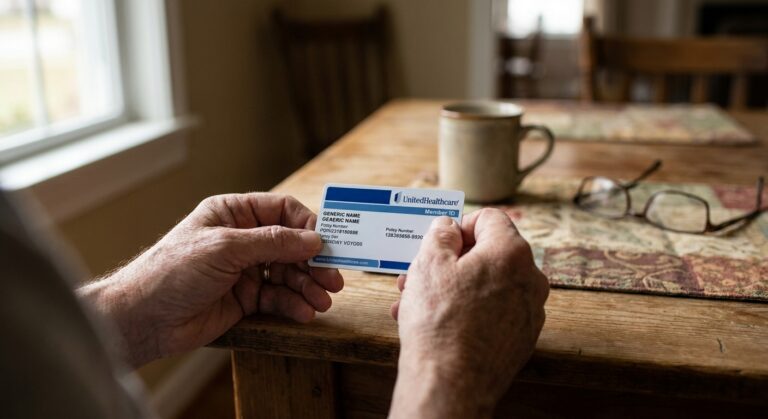
On the first call, TruHealing Cincinnati’s Director of Admissions, Philip Wilson, pulls your son’s insurance benefits with just three details: his full name, his date of birth, and his insurance member ID. From there he walks you through what your family’s share of the cost may look like, sets up a payment plan, and answers your questions so the decision stays with you.
Philip has more than five years of experience handling benefit verification and approvals at TruHealing Cincinnati. When you’re scared and keeping one eye on the hallway, that experience means you’re talking to someone who knows how these plans actually behave, not someone reading a script. You don’t need old medical records, a long intake form, or a folder of paperwork to start. If you can grab his insurance card, or snap a photo of the front and back, Philip has what he needs.
Because TruHealing Cincinnati is out of network, the admissions team does not collect anything upfront. Philip lays out the deductible and out-of-pocket amounts in plain language and builds a payment plan, so the money question has a real answer before anyone asks you to commit. Plenty of parents brace for a sales pitch on this call. What you get instead is the full picture, so you’re not deciding in the dark.
Philip will also explain what TruHealing Cincinnati offers: private rooms, higher quality food, a lower patient census, and a high staff-to-client ratio. Then your family decides. Use the call to ask the questions that have kept you up at night: whether a bed is open today, what timing could realistically look like, what happens when he walks in, and how his information is kept confidential.
Does Your Son Need Detox First, or Can He Go Straight Into Residential Care?
Once TruHealing Cincinnati’s admissions team has checked his insurance benefits, the next question is medical. At TruHealing Cincinnati, whether a man starts in detox is decided by the medical provider and nursing staff after they assess him at intake. You don’t have to figure it out on the phone, and he doesn’t get to settle it by insisting he’s “fine.”
When your son arrives, TruHealing Cincinnati’s team runs four screens: a full biopsychosocial assessment, a trauma screen, a mental health screen, and a full substance use screen. That’s a lot of questions for a man who may be exhausted, sick, or embarrassed, so the team takes care to build rapport with him from the start. Clinical Director Savannah Cain and the clinical team then use those results to write an individualized treatment plan built from his actual screens, not a template he gets dropped into.
The assessment matters because detox and treatment are not the same thing. SAMHSA’s Quick Guide based on TIP 45 describes detox as three parts: evaluation, stabilization, and helping the person get ready for and enter ongoing treatment. The guide is also clear that detox alone does not treat a substance use disorder. Detox manages withdrawal and keeps him medically safe while his body adjusts. The deeper work of recovery comes after, in residential care.
The screens can also change the plan in ways families don’t expect. TruHealing Cincinnati’s clinical team has seen families arrive certain their son only needed detox, and then the psych assessment turned up depression or anxiety underneath the drinking or drug use. In those cases the team moved him off a detox-only track and into integrated dual-diagnosis care, pairing a licensed therapist who uses DBT (dialectical behavior therapy) with the medical detox protocol. Both conditions get treated at the same time, not one after the other. Not every man’s screen shows a co-occurring condition, and the plan follows whatever the assessment actually finds.
For many men, a mental health struggle doesn’t look like sadness at all. The National Institute of Mental Health lists anger, irritability, and a need for alcohol or drugs among the signs men may show. If your son has been short-tempered and drinking more, and you’ve assumed it’s only the substance, a thorough psych screen lets the team see the whole man.
Will the Bed Still Be There If You Need a Few Hours to Get Him in the Car?
Knowing whether he needs detox or residential care is one piece. Knowing the spot will still be there when you reach the door is another. TruHealing Cincinnati runs a lower patient census than high-volume facilities, with private rooms and a high staff-to-client ratio. Bed availability still shifts day to day, so ask Director of Admissions Philip Wilson on the first call what’s open and how much room the team has to work with your timing.
You may have been through this somewhere else already. You called a busy rehab, heard there was a bed, spent the afternoon getting him to agree, and called back to find the spot gone. That makes the next call harder to pick up. A smaller program with fewer men in the building works differently from facilities built around volume, and it’s fair to ask exactly how that plays out on the day you call.
The lower census matters past the admission window too. A private room lets him sleep and settle after weeks or months of chaos without sharing space with a stranger on his worst days. A high staff-to-client ratio means more time with the people treating him, which is often what makes a man willing to open up. TruHealing Cincinnati runs dedicated Men’s Addiction Treatment and Men’s Mental Health Treatment tracks, so he’ll be in a healing community of men working through the same things.
Before you hang up with the admissions team, settle the practical pieces. Decide who is driving, when, and what he’ll bring. Be honest with Philip about where things stand at home, even if the honest answer is “he said yes, but he wants to wait until tomorrow.” The team can only plan around your timing if they know it. If you’re coming from outside Cincinnati, OH, mention the drive time so everyone is working from the same clock.
How to Get Into a Mens Treatment Program Fast When He Keeps Saying “Not Today”
Having everything ready before he says yes can help. Then, when the yes comes, the only step left is the drive: benefits checked, payment plan understood, bed availability confirmed with the admissions team, ride arranged.
You might be thinking, “I need to talk to him first,” or “Let me sleep on it and call back tomorrow.” That makes sense. You may be afraid of pushing too hard and losing him. But calling TruHealing Cincinnati commits nobody to anything. You can collect every answer without saying a word to him yet, and then you’re not asking him to agree to a vague idea. You’re offering him a real place, a real room, and a real plan.
Willingness tends to come and go. He may say yes late at night after a bad scare and take it back by morning, once the fear fades and the cravings return. Waiting carries real risk. He may dig in, or the next crisis may land him in an emergency room instead of a planned admission. Neither would be your fault. Having the plan in place just means you’re ready when that window opens.
It helps to understand why the no comes so fast. SAMHSA’s guide on the specific behavioral health needs of men explains how traditional ideas about being a man, like handling things alone and never showing weakness, can make men reluctant to ask for help. When your son says no, it may not mean he wants to keep using. It may mean saying yes feels like losing.
So keep talking, even when it goes badly. Keep it short and skip the guilt and shame, because he’s carrying plenty of both. Tell him the truth: treatment is work, but he won’t be doing it alone; he’ll have support, and he’ll be with other men. Then make the ask small: “Will you just get on the phone with the admissions director with me?”
Who Is Actually Taking Care of Your Son Once He Walks Through the Door?
Once your son agrees to treatment, the next worry is usually the people. At TruHealing Cincinnati, Clinical Director Savannah Cain leads clinical care alongside two Independent Chemical Dependency Counselors and a medical team that uses in-depth psych assessments and GeneSight testing to shape each man’s treatment plan.
TruHealing Cincinnati views the Independent Chemical Dependency Counselor credential as representing advanced training and understanding in substance use treatment, a foundation it sees as central to evidence-based care. Having two of them on staff means that when your son sits down for counseling, he’s working with people who have gone deep into how drug and alcohol addiction works. Those counselors work directly with Savannah Cain and the medical staff, so therapy and medical care stay connected, which can matter when depression, trauma, and substance use are tangled together.
GeneSight is a pharmacogenomic test, usually done with a cheek swab, that looks at how a person’s genes may affect the way his body processes certain medications. It doesn’t decide anything on its own, and it doesn’t determine whether a medication will work for a particular person. What it gives TruHealing Cincinnati’s medical team is one more piece of information specific to your son when they choose medications.
TruHealing Cincinnati’s medical staff also stay current on the newest procedures to help ease withdrawal symptoms. If you’ve watched your son shake, sweat, or panic while trying to stop on his own, you know why that matters. Evidence-based care in detox means he isn’t left to tough it out. A team that knows what it’s looking at watches him, adjusts his care, and helps him get steady enough to start the clinical work of residential treatment.
What Does Out-of-Network Mean for Your Money and His Admission?
For many families, cost is what quietly stalls everything. TruHealing Cincinnati is an out-of-network provider that works with plans from Aetna, Cigna, UnitedHealthcare, Anthem Blue Cross Blue Shield, Optum, and UMR, and it accepts private pay. Nothing is collected upfront. Director of Admissions Philip Wilson explains your son’s deductible and out-of-pocket amounts and sets up a payment plan before you decide.
Here’s what those terms mean. A deductible is what the plan expects you to pay before it starts sharing costs. An out-of-pocket maximum is the most you’d pay for covered care in a plan year before the plan covers the rest. Out-of-network benefits often carry their own deductible and maximum, separate from the in-network numbers on the card, so ask Philip exactly how your son’s plan treats them. That’s why you want someone pulling his actual benefits instead of guessing from a website.
Philip handles benefit verification and approvals for TruHealing Cincinnati directly. You don’t have to sit on hold with the insurance company while things at home get worse. Two families with the same insurer can see very different numbers, so the answer you get will be specific to your son’s coverage, not a general estimate.
Getting the payment plan in place before you decide keeps fear of the bill from freezing your family for days, days he’s still using. Once the money has a shape, it becomes one more box already checked. If you’re driving in from outside Cincinnati, OH, the process is the same, and you’ll know where you stand financially before you load the car.
Questions Parents Ask Before They Make the Call
These short answers cover what parents most often want to know before they dial TruHealing Cincinnati. If your situation doesn’t fit neatly, that’s what the first call is for.
Can my son be admitted to TruHealing Cincinnati the same day I call? It depends on his benefits, whether a bed is open, and what the medical assessment shows when he arrives. Ask Director of Admissions Philip Wilson on the call what timing is realistic for your son.
What information does the admissions team need to verify insurance benefits? Philip needs your son’s full name, date of birth, and insurance member ID to pull benefits. That’s enough to start.
How does TruHealing Cincinnati decide if my son needs detox before residential treatment? The medical provider and nursing staff decide after intake, which includes a full biopsychosocial assessment, a trauma screen, a mental health screen, and a full substance use screen. It’s a medical decision, not a family guess.
What happens if my son changes his mind between the call and arrival? Tell the admissions team. The call doesn’t lock him into anything, and you can keep talking with the team while you work through his hesitation. Because availability changes day to day, calling back as soon as he’s willing gives you the best chance at a smooth admission.
Does TruHealing Cincinnati require payment upfront before admission? No. Philip explains the deductible and out-of-pocket amounts and sets up a payment plan before you decide.
How long does the insurance verification process take? Philip checks benefits during the first call using your son’s name, date of birth, and member ID, so you hear the financial picture early instead of waiting on a callback.
What Should You Have Ready Before You Call Tonight?
Have your son’s full name, date of birth, and insurance member ID in front of you. That’s everything Director of Admissions Philip Wilson needs to begin checking benefits. Find a few quiet minutes away from your son if you can, so you can ask honest questions and hear honest answers.
If you know them, a few other details help TruHealing Cincinnati’s intake team prepare: what he’s been using and roughly how much, when he last used, any medications he takes, and any mental health history you’re aware of. You don’t need perfect answers. “I think it’s mostly alcohol, but I found pills last month” is useful. TruHealing Cincinnati’s biopsychosocial, trauma, mental health, and substance use screens at intake will fill in the rest when he arrives.
If you’re still asking how to get into a men’s treatment program fast, the honest answer is that speed mostly comes from the order you do things in. Call before the big conversation with him, not after. When his benefits are already checked, the payment plan explained, and bed availability confirmed, his yes doesn’t have to wait on anything, and he can start treatment while the willingness is still there. Call TruHealing Cincinnati at 502-830-3523 to speak with Director of Admissions Philip Wilson, verify your son’s insurance benefits, and ask what admission timing looks like for him.
Start the Admission Process This Week
If your son is struggling with addiction, waiting for the “right moment” often means watching the window of readiness close. The admission process at TruHealing Cincinnati typically takes just a few days once you make that first call, and starting a conversation with their admissions team today means you can have real answers about insurance, program fit, and available beds by tomorrow. You don’t need to have all the details figured out before reaching out,that’s exactly what the intake specialists are there to help you navigate.
Individual responses to treatment vary, and outcomes depend on many factors unique to each person’s situation, effort, and circumstances.