Community-Based Healing Programs in Cincinnati, OH: What Daily Accountability Actually Looks Like
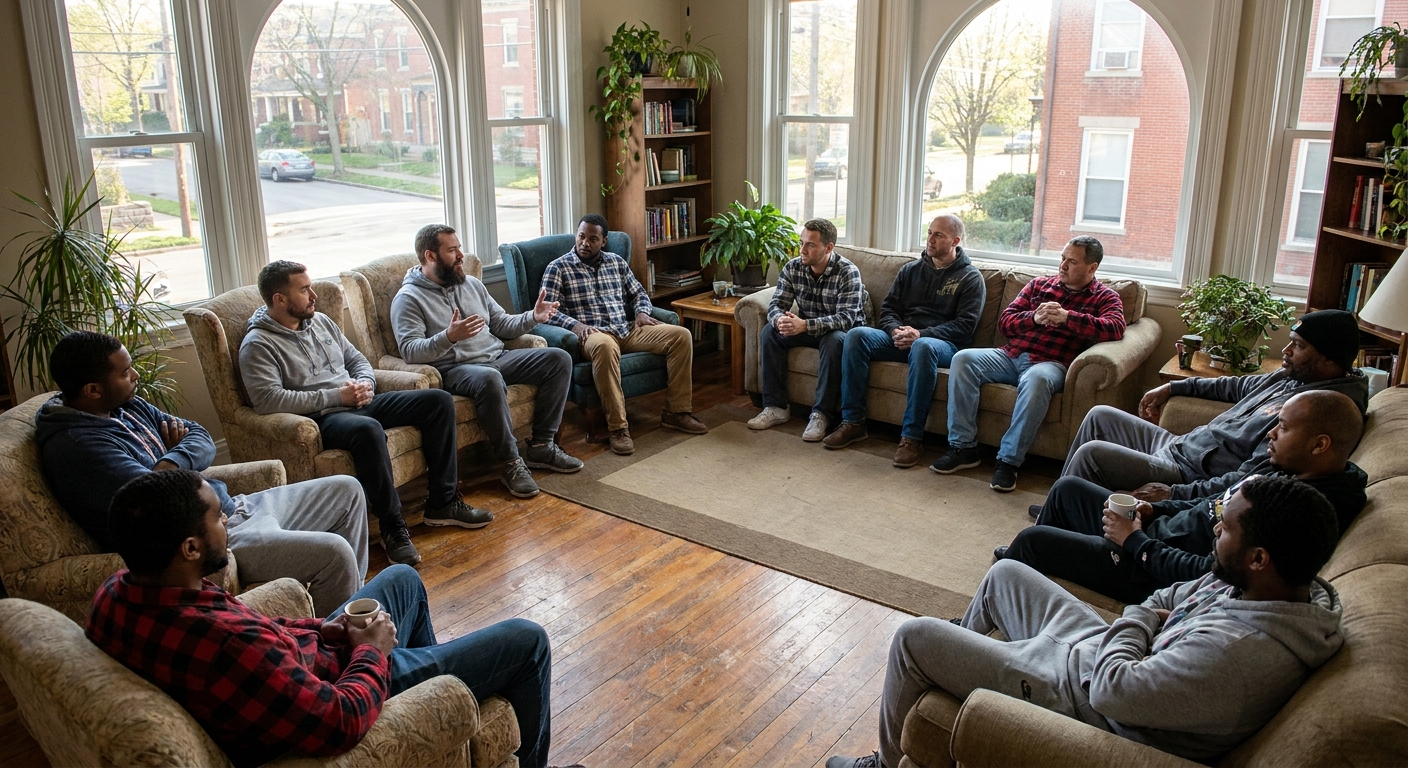
Every morning in the TruHealing Cincinnati residential program, each man stands in group and says two numbers out loud: his emotional stability from 1 to 10, and his cravings from 1 to 10. If his body language does not match his answer, someone in that circle may call him on it before the day starts. If you have been up late searching for community-based healing Cincinnati programs for your son, that small ritual is probably not what you pictured, but it sits at the center of how this program approaches recovery.
If he has been through a program before, you have probably heard the word “accountability” plenty of times, right, and you may have watched it turn into a weekly session where he said he was fine and everybody moved on. So this article walks you through what accountability looks like hour by hour inside an all-male residential program. You will see what he says each morning, what happens when he is not telling the truth, who is in the room to keep it fair, and why the downtime is built the way it is.
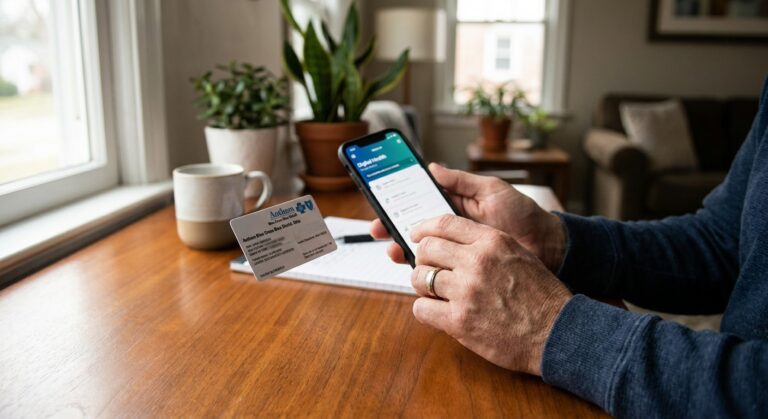
You should also know the practical side from the start, because that is often what keeps parents and caregivers from calling. TruHealing Cincinnati offers services that include medical detox, residential care, and a Partial Hospitalization Program (PHP). The center accepts Aetna, Cigna, UnitedHealthcare, Anthem Blue Cross Blue Shield, Optum, and UMR, along with private pay. Director of admissions Philip Wilson has spent more than five years handling benefit verification and approvals, so one phone call can tell you where your son’s plan stands.
What does community-based healing actually mean inside a residential program?
Community-based healing is a daily accountability system that everyone can see, not just a group therapy session on the schedule. At TruHealing Cincinnati it starts with each man rating his emotional stability and his cravings on a 1 to 10 scale in front of peers and clinicians. That creates a shared record the group can come back to as the day goes on.
Think of it like a family dinner where nobody is allowed to answer “how was your day” with “fine.” Everybody has to give a real number, out loud, with people around the table who know them, and a number is harder to hide behind than a word. When your son says his cravings are a 6 in the morning, the men who heard him are going to remember that at lunch, in the gym, and in the evening group, and they are going to ask how that 6 is doing.
That is one difference from a model built mostly around one weekly individual session. A week is a long time in early recovery, right, because cravings and moods can change from hour to hour, and a man can look steady on Tuesday at 2 p.m. and be in real trouble by Thursday night. With a daily check-in, the conversation never really stops. You don’t remove communication from the day. You build the whole day around it.
For you as a parent, this matters because so much of what you have been living with is silence. He could hide from you on the phone, and he could tell you what you wanted hear. It may be harder to hide from a circle of men who see him every single day and who have practiced telling the truth about their own numbers. Clients and clinicians both check in on each other, so it works more like a council of peers than one counselor trying to catch him. It’s the heart behind the conversations: a group of people who notice.
What happens when his number does not match his face?
He may get challenged, kindly and directly, by the men around him and by staff. When a man’s check-in does not match his body language or his behavior, the group may ask him to be honest, and that moment can help address the social isolation that often sits underneath relapse in early recovery.
Picture your son on his fourth morning. He says his cravings are a 2 and his stability is an 8, but his leg has not stopped bouncing, he will not look up from the floor, and he barely touched breakfast. In a lot of settings, nobody would say a word. In this circle, another man is likely to say what everyone is seeing: an 8 does not usually look like that. Then the room waits. That pause is uncomfortable, and it is supposed to be, because it gives him a chance to say the true number instead of the safe one.
The point is not to catch him in a lie. It is to show him that the truth is safe here. Many men carry guilt and shame into treatment, and “I’m fine” has been their armor for years. So when the honest answer finally comes out (“actually I’m about a 7 and I didn’t sleep”), nobody punishes him for it. The group leans in, and staff can adjust his day. The thing he has been carrying alone becomes something a whole room is helping him carry.
The all-male, male-centric design is a deliberate part of this. Some men will not say “I’m scared” or “I want to use” in a mixed group, so they perform or they shut down. In a room full of men who have been where he is, it may get easier to shed that armor without worrying about being judged. You may have asked him how he is doing a hundred times and gotten nothing. Here, he gets asked every morning by people who will not accept nothing for an answer.
Why would a treatment program put a cold plunge and an arcade down the hall from group?
Because treatment is work. A man who spends his morning being honest about cravings, trauma, and shame needs a way to recharge those batteries that is not a drink or a pill, and TruHealing Cincinnati’s downtime amenities give him healthy places to do that.
During downtime, men have comfort amenities for recharging: video games, a workout facility, board games, an arcade room, a movie theater, a hot tub, a cold plunge, a red light sauna, and TVs in every room. For a lot of men, the substance was the only way they knew to come down after a hard day. Downtime is also when old thinking tends to creep back in, especially when a man is bored, restless, or alone with his thoughts. A hard workout, a game with the guys, or a cold plunge gives him a different answer to the question “how do I handle this feeling right now.”
You might be thinking this sounds more like a vacation than treatment, and that worry deserves a straight answer. The amenities do not replace the work. The check-in still happens tomorrow morning, and the next morning, and the morning after that. What the amenities do is make it possible to keep showing up for that work without burning out. Recovery does not have to mean constant discomfort, and men who feel respected tend to stay engaged. People need to be heard, valued, and appreciated, and the environment is one way of saying that without words.
There is a quieter impact too. The rapport men build over board games and video games carries straight back into group. The guy who beat your son at the arcade last night is the same guy who notices his leg bouncing the next morning, and your son may be more likely to hear a hard truth from someone he actually likes. The downtime is where the healing community gets built, so the morning challenge lands as care instead of an attack.
Who makes sure peer accountability helps him instead of shaming him?
All of that peer honesty only works if someone trained is keeping it safe, and at TruHealing Cincinnati that is the clinical team’s job. Clinical director Savannah Cain leads the team, which includes two Independent Chemical Dependency Counselors, a credential the team describes as a high level of education and understanding a counselor can bring to substance use treatment. The peers notice what is going on, and the clinicians guide what happens next.
There is a real difference between a group holding a man accountable and a group piling on him, and untrained peer settings can slide into the second one fast. With experienced counselors in the room, a challenge stays focused on honesty and support. If a conversation starts turning into blame, staff can step in, slow it down, and steer it back toward what the man actually needs. That oversight is what keeps the daily check-in therapeutic and not punitive.
Behind the group work sits personalized treatment. The team does in-depth psych assessments and GeneSight testing to build each man’s treatment plan. GeneSight is a genetic test that looks at how a person’s genes may affect the way his body responds to certain medications, including some used for depression and anxiety. Paired with a full psych assessment, it gives the team information that may help reduce trial and error. The daily numbers then become a running read on how that plan is working. If your son’s stability rating keeps dropping every afternoon, that pattern goes into his individual sessions, and his care may be adjusted.
You may also be worried that his drinking or drug use and his mental health will get treated by two different teams who never talk. TruHealing Cincinnati provides dual diagnosis care, along with dedicated tracks for men’s addiction treatment and men’s mental health treatment, so both sides are addressed together. It starts at the very beginning: medical staff stay up to date on current procedures to help ease withdrawal symptoms in detox, so he can begin the residential program instead of arriving worn down.
Does daily accountability still matter after he leaves?
No program can promise what happens after discharge, and recovery outcomes vary widely from person to person. Staff have observed over the years that some men who keep using the daily check-in after leaving the program report feeling more connected to their support networks and noticing changes sooner, though individual experiences differ.
The community-based healing Cincinnati families find at TruHealing is built around honest relationships on purpose. Your son is not only getting treatment from staff. He is learning how to be in honest relationships with other men, which is something many men in active addiction have not done in years. Saying your true number out loud every morning is one of those skills. After weeks of practice it may become a habit he can take with him: to a support group, to a sponsor, to the PHP level of care if he steps down, and to you. The daily check-in is not something that only works inside the building. It is a tool he carries home, one that may help him build resilience, and it is worth asking on your first call what aftercare planning will look like for him.
You may be afraid this will be one more program that does not work for him, and that you will all be back here in six months. That fear makes sense, especially if you have lived through it before. What you can look for is whether a program is teaching him something he can keep doing on his own. A man who has spent his residential stay telling a room “I’m a 7 today, not a 2” has practiced the exact thing that tends to get skipped when trouble starts, which is asking for help before it gets bad.
Is community-based healing Cincinnati offers the right fit for a man from the city or across the river in Kentucky?
It is built for adult men, 18 and older, who are dealing with addiction, mental health conditions, or both. TruHealing Cincinnati draws clients from throughout the Greater Cincinnati area and across the Ohio River, including families from Northern Kentucky communities like Covington, Florence, and Fort Mitchell, as well as men from Dayton, Columbus, and surrounding Ohio counties.
For families weighing community-based healing Cincinnati options, staying close to home matters. Addiction is a serious enough local concern that Hamilton County runs its own Office of Addiction Response. Many families here have learned the hard way that sending someone across the country can cut him off from the people who will be there after treatment ends. A program in Cincinnati lets you stay connected while he does the work, and it means the life he is getting ready to return to is right down the road.
This model may fit men who have relapsed before, men who have pulled away from their families emotionally, and men whose substance use is tangled up with depression, anxiety, or past trauma. If past trauma is part of his story, it is worth asking on the call whether the team takes a trauma-informed approach in group. It may also fit the man who has always handled everything alone and would rather go quiet than admit he is struggling. If that sounds like your son, a daily circle that refuses to accept “fine” may be the structure he has been missing. You’re at a fork in the road, and you do not have to sort out every detail before you take the next step.
On insurance, TruHealing Cincinnati accepts Aetna, Cigna, UnitedHealthcare, Anthem Blue Cross Blue Shield, Optum, and UMR, and private pay is available. Every plan is different, so the honest answer about what yours may cover comes from verifying your benefits. Philip Wilson has handled that process for more than five years and can walk you through it in plain language on the first call.
What else do families ask about the daily check-in?
Before you call, you probably still have a few questions. These are the ones parents and caregivers ask most often, answered plainly.
What happens during a daily check-in at TruHealing Cincinnati? Each man rates his emotional stability and his cravings on a 1 to 10 scale in front of peers and staff. If his body language or behavior does not match his answer, the group may ask him to be honest before the day gets going.
Is community-based healing the same as group therapy? Group therapy is part of it, but community-based healing goes further. It adds daily check-ins, peers and clinicians checking on each other all day long, and shared downtime that builds trust between sessions, not only during them.
Why does TruHealing Cincinnati offer amenities like a cold plunge and an arcade? They give men healthy ways to decompress after demanding work, so they are not reaching for old coping habits. They also build the rapport that may make honest challenges in group feel like care.
What is an Independent Chemical Dependency Counselor? It is a counseling credential focused on substance use treatment. TruHealing Cincinnati has two on staff, and the team describes it as a high level of education and understanding a counselor can bring to this work.
Does TruHealing Cincinnati serve families from Kentucky? Yes. The program serves men from throughout Greater Cincinnati and Northern Kentucky, including families from communities across the river like Covington, Florence, and Fort Mitchell, as well as men from other parts of Ohio.
How does GeneSight testing fit with daily accountability? GeneSight and in-depth psych assessments help the team build a personalized treatment plan, including how his body may respond to certain medications. His daily numbers then show the team how that plan is working, day by day.
What can you do tonight if he is still telling you he is fine?
Call TruHealing Cincinnati at 502-830-3523 and ask for Philip Wilson. He can explain how the daily check-in model works, verify your benefits, and help you figure out whether an all-male residential program may be the right fit for your son.
You do not need to have the perfect words ready or know which level of care he needs, because that is what the call is for. Philip can talk through where your son is right now, whether medical detox makes sense as the first step, and what the path from detox through residential care and PHP could look like for him. If your son is ever in immediate danger, call 911 first, or call or text 988 for crisis support.
Before you pick up the phone, try one thing. Ask your son to rate his cravings tonight on a scale of 1 to 10, and his stability too, and then watch his face while he answers. Whatever number he gives you, and whatever his body tells you, write both down and share them with Philip when you call. You will have already taken the first step of the same daily accountability he would practice every morning here, and you will have given the team a real starting point for helping him.
See How Daily Structure Can Support Your Recovery
If you’ve been wondering whether a community-based approach might work better than trying to manage recovery alone, you’re already asking the right question. TruHealing Cincinnati builds accountability into every day through group connection and structured support, not through lectures or judgment. Reach out to learn what a typical week looks like and whether this kind of environment feels right for where you are now.
Individual responses to treatment vary, and no specific outcomes can be guaranteed.