
Rehab That Takes UnitedHealthcare in Cincinnati, OH: Coverage and Admissions Guide
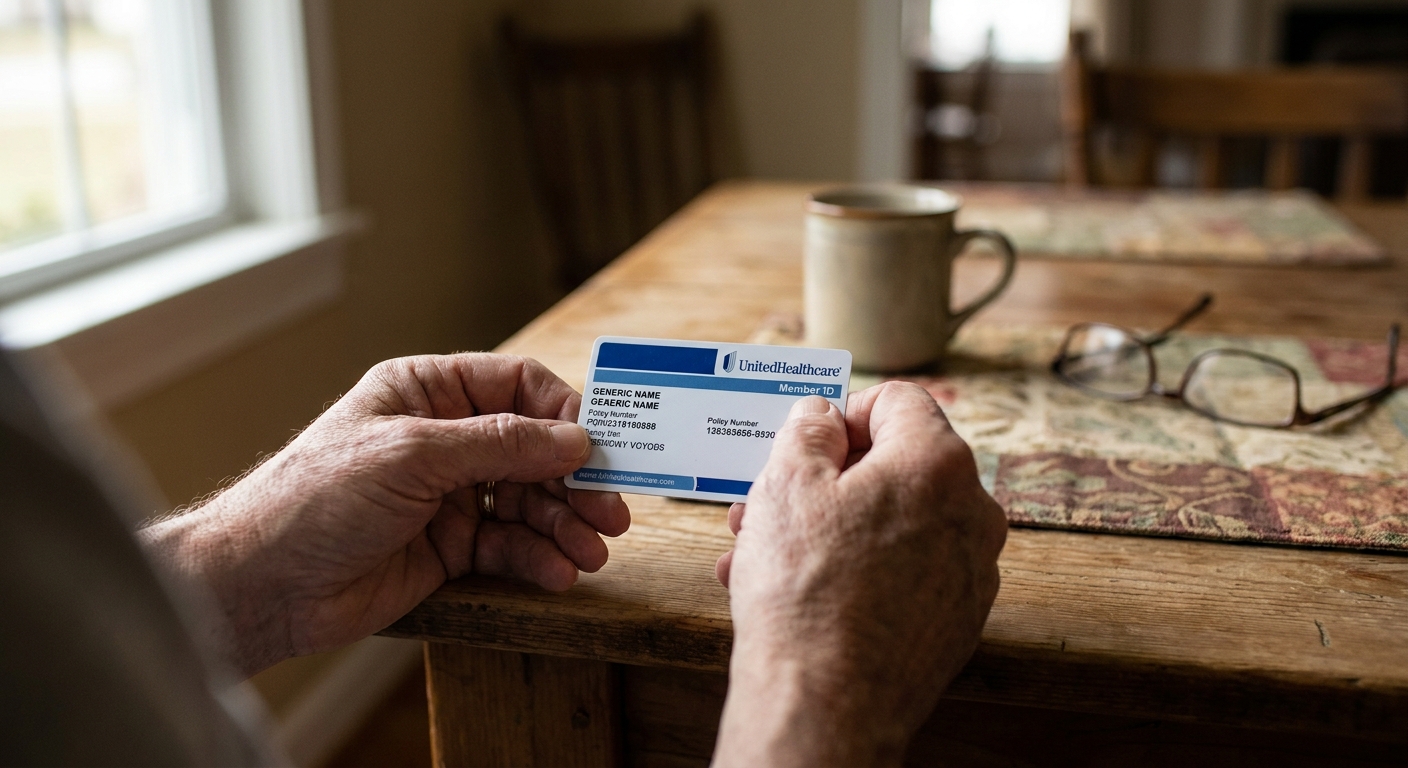
Your father’s insurance card is on the table in front of you. You can see the UnitedHealthcare logo, and you want one answer: will this card get him a bed in Cincinnati, or will you end the call and start hunting for cash you do not have? TruHealing Cincinnati is a rehab that takes UnitedHealthcare in Cincinnati, OH. This guide explains what that means in plain words: what the card can do, what your family might still owe, who reviews the benefits, and how your dad moves from one phone call to clinical care.
You are probably handling this alongside a job, maybe kids, maybe a mom who is exhausted from years of watching it unfold. There is a role reversal here too. The man who used to make the hard calls for you now needs help, and you are the one holding his card, his date of birth, and his future. That is heavy, so this page sticks to what you need to know before you dial.
What Does UnitedHealthcare Coverage Mean at TruHealing Cincinnati?
TruHealing Cincinnati accepts UnitedHealthcare. What your father’s plan pays depends on his specific benefits, including his deductible and coinsurance share. TruHealing Cincinnati takes no payment before admission, so treatment can begin while a payment plan is arranged.
Picture an insurance network as a list of providers who agreed to accept a discounted rate from UnitedHealthcare. Whether a provider is in or out of a plan’s network affects what that plan pays, so it is worth asking about during verification. Many UnitedHealthcare plans, especially PPO-style employer plans, include out-of-network benefits. After a member meets the out-of-network deductible, those benefits may pay a portion of covered costs, and after reaching the out-of-network out-of-pocket maximum, the plan may cover more for the rest of the plan year.
Three terms determine what your family pays:
- Deductible: what your father pays before the plan begins sharing costs.
- Coinsurance: the percentage he pays once the deductible is met.
- Out-of-pocket maximum: the cap on his share of covered costs for the plan year. After he reaches it, the plan generally pays the full allowed amount for covered care.
On many plans, the out-of-network deductible and out-of-pocket maximum are tracked separately from the in-network ones and typically run higher. That is why no one should give you a number before reviewing your father’s actual policy.
Not every UnitedHealthcare plan has out-of-network benefits. Some HMO and EPO plans pay nothing outside the network except in emergencies, so the first step is always verification, not a sales pitch. If the card also shows Optum or UMR, mention it on the call, since TruHealing Cincinnati accepts both in addition to UnitedHealthcare.
The detail most families never hear elsewhere matters most the moment your father finally agrees to go. TruHealing Cincinnati collects nothing upfront. After benefits are confirmed, the team can defer payment and build a payment plan, so he can be admitted while the finances are worked out. His willingness may not last long, and paperwork should not be what closes that window.
How Does Philip Wilson Verify Your Father’s UnitedHealthcare Benefits Before You Commit?
So who actually reviews the card? Director of admissions Philip Wilson needs only three things: your father’s name, his date of birth, and his UnitedHealthcare member ID. From there, Philip walks you through the deductible, the out-of-pocket maximum, and the coinsurance in everyday language, so you understand what the plan may cover and what your family might owe.
Philip runs benefit verification at TruHealing Cincinnati and signs off on every admission approval. He brings more than five years of experience and keeps current with an insurance landscape that never stops changing. That matters because, in the admissions team’s words, insurance companies design plans to be confusing. Most callers do not know the names of the levels of care. Most cannot find the substance use section of their plan (policies often still call it “substance abuse”), or tell how detox, residential, and partial hospitalization (PHP) each appear in a policy. Turning that into words and numbers you can plan around is exactly what Philip does.
Families sometimes underestimate the coverage they have. Admissions sees this at times with men around 20 to 26 who are still on a parent’s employer plan and either do not know it or do not understand it; the team pulls those benefits and works toward a possible approval. Other times, a person’s policy turns out to be different than they thought, and admissions uncovers and explains those benefits. Your father is older, but the lesson holds: do not write off the card until someone who reads policies every day has looked at it.
If your father still works, his employer plan may have benefits that he has not explored. If he is retired, tell Philip exactly what type of UnitedHealthcare plan he has: a retiree plan from a former employer, coverage through your mom’s job, an individual market plan, or a Medicare plan. Each works differently, and Philip can only check the right benefits if he knows which one he is reviewing.
This is not a pressure call. Philip lays out the numbers, explains what the facility offers, and your family makes the decision. You can ask him to slow down, repeat a figure, or explain a term a second time. The person calling is often scared and running on no sleep, and that deserves patience.
What Does Your Family’s Share Actually Pay For?
Once you know your likely share, it is fair to ask what it buys. At TruHealing Cincinnati, your family’s share supports private rooms, higher quality food, a lower patient census, and a higher staff-to-client ratio. Admissions explains these on the first call, and your family decides whether they fit your father.
Private rooms are easy to undervalue until you picture your dad in early recovery. Withdrawal during detox can wreck sleep and leave moods raw. An older man who spent decades in charge may carry real guilt and shame about where he has ended up, and a door he can close gives him dignity and privacy during the hardest work of his life. Food matters too. Many people with a substance use disorder have gone a long time eating poorly or hardly eating, and steady, decent meals can help the body rebuild.
A lower census and higher staff-to-client ratio come down to attention. With fewer men in the building and more staff per person, counselors may have more time to build rapport and a better chance of noticing a shift, like a man who goes quiet or a mood that sinks. For a father who has hidden his drinking or drug use for years, that steady attention may create opportunities for him to open up.
TruHealing Cincinnati is an all-male facility with dedicated Men’s Addiction Treatment and Men’s Mental Health Treatment tracks. Some men, older men especially, find it difficult to open up where they feel they have to perform. In a healing community made up of other men, some find it easier to drop that guard and say what has really been happening. Not every family will choose this level of care, and that is a fair decision. You should choose with clear numbers in front of you, not guesses.
Why Does a “Detox-Only” Plan Sometimes Become Dual-Diagnosis Care After Intake?
Many families call assuming their father needs detox and nothing else, and intake sometimes reveals more. At intake, TruHealing Cincinnati completes a full biopsychosocial assessment, a trauma screen, a mental health screen, and a full substance use screen, and the clinical team writes an individualized treatment plan in that same session. If depression, anxiety, or trauma surfaces beneath the substance use, the plan may shift from a detox-only track to integrated dual-diagnosis care, pairing a licensed therapist who uses DBT with the medical detox protocol.
“Biopsychosocial” sounds clinical, but the idea is straightforward. The team examines three parts of your father’s life:
- Bio: his physical health, his medications, and the withdrawal symptoms he may face.
- Psycho: his mood, his thinking, and any trauma he carries.
- Social: his marriage, his work or retirement, his friends, and his living situation.
Maybe the drinking increased after he retired and his days lost structure. Maybe it began after a loss he never discussed. Maybe it goes back further than anyone in the family realized. Those details shape what personalized treatment looks like for him.
This matters because getting through withdrawal is the beginning, not the end. The clinical team at TruHealing Cincinnati regularly sees men whose drinking masked years of unspoken grief or anxiety, and when the substance is removed, those conditions come into full view. If depression is contributing to the drinking and only the drinking is addressed, the depression comes home with him. At TruHealing Cincinnati, both may be addressed at the same time rather than one after the other. That is dual diagnosis in practice, and it is how evidence-based care can support ongoing recovery.
Our clinical director leads the clinical team, which includes members who hold Independent Chemical Dependency Counselor credentials, a credential the team describes as the highest level of education and understanding in substance use counseling. On the insurance side, the plan of care may change after intake, so ask Philip how that change affects what your father’s UnitedHealthcare benefits may pay. You will hear it in plain numbers now instead of being caught off guard later.
If UnitedHealthcare Says No, Can You Push Back With Federal Parity Law?
Plans sometimes push back, and it helps to know your rights ahead of time. Yes, you can appeal. The Mental Health Parity and Addiction Equity Act of 2008 requires most employer group health plans to treat substance use disorder and mental health benefits no more restrictively than medical and surgical benefits. That gives your family grounds to challenge a denial or ask how an out-of-network payment was calculated.
Parity reaches further than most families expect. It covers the obvious items, like copays and coinsurance, and also the quieter rules: prior authorization, limits on treatment days, and how a plan handles out-of-network benefits. If your father’s plan pays out-of-network benefits for medical care, it generally must offer comparable out-of-network benefits for substance use disorder care. TruHealing Cincinnati admissions can walk you through what parity means in your father’s specific situation, and many families find that the law opens doors they thought were closed.
If you receive a denial, take these steps:
- Get the denial in writing.
- Request the medical necessity criteria the plan used. Plans subject to parity law must provide those criteria on request.
- File an internal appeal. Clinical documentation from your father’s intake, such as the trauma, mental health, and substance use screens showing co-occurring conditions, is the kind of evidence an appeal relies on.
- Ask for an external review. If the internal appeal fails, most plans give you the right to an independent reviewer.
Parity law does not guarantee coverage, and it does not apply identically to every plan. Medicare plans follow different rules, so if your father’s UnitedHealthcare card is a Medicare plan, ask which appeal rights apply to that plan. This paperwork is work, but you do not have to sort it out alone.
Can Your Father Get Rehab That Takes UnitedHealthcare in Cincinnati, OH, Without Leaving Home?
Yes. TruHealing Cincinnati serves families throughout Greater Cincinnati and the surrounding region, so you can keep your father close while he gets the clinical care he needs. The facility also serves families from Lawrenceburg, Lexington, and Louisville in Kentucky, from Springfield, OH, and from Indianapolis.
Many Cincinnati families carry UnitedHealthcare through an employer, whether that is your father’s current job, his former employer’s retiree plan, or your mom’s coverage at work. Check every card in the house before assuming he has nothing. A spouse’s plan sometimes carries different behavioral health benefits than the plan your dad has always used, and Philip can check either one with the same name, date of birth, and member ID.
Staying close to home matters for older men in particular. He stays near his doctors and near the family he may rely on afterward, and treatment should not cut him off from the people who love him. Distance can make those connections harder. TruHealing Cincinnati also offers detox, residential care, and PHP, so as his needs change, his care can step down without starting over at a new facility with new faces.
So you can move quickly when he says yes, have these ready:
- His insurance card
- A list of his medications and doctors
- An honest picture of what he has been using, how much, and when he last drank or used
You do not need perfect answers. Give your best estimate, and the clinical team will take it from there. Medical detox exists because withdrawal can be dangerous, especially in an older body, so tell admissions everything you know, even the embarrassing parts.
What Else Do Families Ask About UnitedHealthcare and Rehab in Cincinnati?
These are the questions families ask most often when calling about a parent with UnitedHealthcare.
Does TruHealing Cincinnati accept UnitedHealthcare insurance for rehab?
Yes. TruHealing Cincinnati accepts UnitedHealthcare. Your family’s cost-sharing depends on the plan, but the facility collects nothing upfront, so treatment can begin while payment details are arranged.
What information do I need to verify my father’s UnitedHealthcare benefits?
His full name, his date of birth, and his UnitedHealthcare member ID. Director of admissions Philip Wilson uses those to pull benefits and explain them in plain language.
How much will I pay out-of-pocket with UnitedHealthcare coverage?
It depends on your father’s plan: its deductible, out-of-pocket maximum, and coinsurance rate. Admissions explains those amounts after verification, before your family commits.
Can I appeal if UnitedHealthcare denies coverage for rehab in Cincinnati?
Yes. For most employer group plans, the Mental Health Parity and Addiction Equity Act requires substance use disorder benefits to be no more restrictive than medical benefits. That can support an internal appeal and, if needed, an external review. Medicare plans follow different rules.
Does TruHealing Cincinnati require payment before admission with UnitedHealthcare?
No. TruHealing Cincinnati collects nothing upfront. The team can defer payment and set up a payment plan while treatment begins.
Will my UnitedHealthcare plan cover dual-diagnosis treatment if mental health issues are found at intake?
The intake assessment screens for co-occurring conditions like depression, anxiety, or trauma, and the treatment plan may shift to integrated dual-diagnosis care when they appear. Parity law requires mental health benefits to be no more restrictive than medical benefits on most group plans, so ask Philip what your father’s specific plan may pay for the updated plan of care.
Make the Call With His Card in Your Hand
Your next step is one phone call with three pieces of information. Call TruHealing Cincinnati at 502-830-3523 with your father’s name, date of birth, and UnitedHealthcare member ID. Director of admissions Philip Wilson will pull his benefits and explain what the plan may pay, what your family might owe, and how a payment plan could work, all before you commit to anything.
You do not need it all figured out before you dial. You do not need to know what PHP stands for, where the substance use section of the policy is buried, or what his plan’s benefits look like. Finding that out is Philip’s job, and he has done it for more than five years.
The one thing to remember tonight: when you are looking for a rehab that takes UnitedHealthcare in Cincinnati, OH, the money does not have to be settled before your father says yes. TruHealing Cincinnati collects no payment upfront, so the card in your hand does not have to be fully figured out before he walks through the door.
Start Your Recovery With Insurance Support You Already Have
If you’re holding a UnitedHealthcare card and wondering whether treatment is within reach, you’re closer than you think. TruHealing Cincinnati works directly with UnitedHealthcare to verify your benefits and help you understand your coverage before you walk through the door. Taking that first step toward recovery means getting answers about your specific situation, and a brief conversation can show you exactly what your plan covers.
Individual insurance coverage, financial responsibility, and treatment outcomes vary based on each person’s plan, clinical needs, and engagement in care.