
Inpatient Rehab in Cincinnati, OH: Residential Addiction Treatment Close to Home
You found a promising program out of state. The admissions person was kind and the virtual tour looked beautiful, but the thought of your son being a cross-country flight away when he is this sick makes your stomach turn. What if something goes wrong? What if he walks out in the first 72 hours? What if he needs you and you are hours away by plane instead of a short drive across town? That feeling deserves to be taken seriously. It is not overprotection. It is you knowing your son. Inpatient rehab in Cincinnati, OH provides the same round-the-clock structure that residential addiction treatment offers anywhere, and it keeps him close enough that you can still show up, still take part in the hard conversations, and still get to him if he needs you.
We wrote this for the mom or dad who has been up at night with a laptop open, comparing programs and trying to figure out what actually matters. TruHealing Cincinnati is an all-male treatment center in Cincinnati, OH 45249 that offers medical detox, residential care, and a Partial Hospitalization Program (PHP), and it addresses addiction and mental health together under Clinical Director Savannah Cain. What follows is a plain explanation of what residential treatment is, what happens in the first weeks, and why being close to home can influence how those weeks go, for your son and for you.
What Does Inpatient Rehab in Cincinnati, OH Actually Mean for Your Son?
Inpatient rehab, also called residential treatment, means your son lives at the treatment center full time. He receives medical detox if he needs it, an in-depth psychiatric assessment, GeneSight testing, daily therapy, and time to stabilize, often over 28 to 90 days. At TruHealing Cincinnati, every one of those steps happens in Cincinnati, OH, within a manageable drive for families across the area.
Here is one way to picture it. Outpatient care is like going to physical therapy a few times a week and then going home to the same house, the same friends, and the same stress. Residential care is closer to a hospital stay, where the care comes to him all day and all night. He sleeps there, eats there, goes to individual and group therapy there, and has medical and clinical staff nearby around the clock. The point is to remove him from the setting where using became automatic, so he has the space and structure to do the work of recovery. And make no mistake, treatment is work.
You may notice something confusing when you search. Type “inpatient rehab” into a search bar and you may land on Medicare’s Care Compare tool for inpatient rehabilitation facilities, which lists hospitals that help people recover physically after a stroke, an injury, or a surgery. That is a different service. If your son is struggling with alcohol, opioids, heroin, cocaine, meth, or another substance, what you are looking for is residential addiction treatment, ideally at a program that also addresses mental health, since the two so often show up together.
The length of his stay should depend on him, not on a calendar. The National Institute on Drug Abuse has long held that no single treatment is right for everyone, and that care works better when it fits the person’s specific problems and needs. At TruHealing Cincinnati, his personalized treatment plan is built from four intake screens (biopsychosocial, trauma, mental health, and substance use), plus his psychiatric assessment and GeneSight results, and it can change as he changes. Because detox, residential, and PHP all run in Cincinnati, OH, he can move from one level of care to the next without boarding a plane, switching states, or starting over with a stranger who has never heard his story.
Why Would a Short Drive Matter More Than an Ocean View in the First Weeks?
Being close matters because the first two to three weeks of residential care are when the most can change at once. Withdrawal symptoms can linger, medications may get adjusted, and the heaviest emotions start coming up in therapy. When he is in Cincinnati, you can be nearby for family involvement and close at hand if something medical comes up.
Think about what those early weeks actually hold. His body is still settling after detox. If clinical staff spotted signs of an untreated mental health condition during detox and raised them with the medical provider, his psychiatric medications may still be getting fine-tuned, and that takes time to get right. In therapy, the guilt and shame he has been drinking or using over start coming to the surface, and anger often shows up alongside it. Sometimes the thing that steadies a man when shame hits hardest is seeing his mom or dad in the room. You don’t cut off communication just because he is in treatment, and it’s the heart behind those conversations that can help support him.
Now picture that same moment with him across the country. A therapist suggests family involvement would help this week, and you are looking at flights, time off work, and a hotel. Or worse, there is a medical concern during detox and you are hours away, getting updates by phone and feeling helpless. What being close can give you is the ability to get there fast and be part of what happens next, including on the hard days when he talks about leaving.
Being nearby also helps with the practical side of his life. If your son has a job, it is worth asking his HR department how their medical leave policy works, since some employers handle the paperwork differently when care happens out of state. And this matters for you too. While he is somewhere safe, with people watching over him, you may finally sleep through the night and recharge, knowing he is a short drive away.
Why an All-Male Residential Program Can Help Cincinnati Men Work on Recovery
That closeness is only part of the picture, because who is in the room with him matters just as much as where the room is. TruHealing Cincinnati is an all-male facility, not co-ed in any way. It was designed around men in a working-class city like Cincinnati, OH, men who often carry the weight of being the provider and protector for their families, and it gives them a safe, stable place to work on recovery.
Maybe your son grew up believing that a man handles his problems quietly. Maybe he has been the one paying bills, fixing things, and showing up for everybody, and somewhere along the way the drinking or the pills became the only place he could set that weight down. Many men come into treatment with walls up so high they can barely see over them. In a mixed setting, some men keep performing, staying tough and guarded and saying what they think they should say. Among other men carrying the same load, there can be room to work through difficult emotions and say the thing he has never said out loud.
That is why the care at TruHealing Cincinnati is male-centric from top to bottom. Emotional recognition therapies and trauma therapies are both delivered from a man’s perspective, through dedicated Men’s Addiction Treatment and Men’s Mental Health Treatment tracks. The aim is for him to learn to recognize and work with his emotions in a healthy way, without fear of judgment. Sometimes what looks like anger turns out to be shame, grief, or fear that never had anywhere to go, and when a man learns to name what is going on underneath, he may develop healthier ways of responding.
Clinical Director Savannah Cain leads the program, and the team includes two Independent Chemical Dependency Counselors, a credential that reflects deep education and understanding in substance use counseling. That depth matters, because building rapport with a guarded man takes skill, patience, and real respect. People need to be heard, valued, and appreciated, and men who have spent years feeling like a disappointment sometimes respond when someone approaches them that way. So if the son you see right now is short-tempered and shut down, it may help to know he may be carrying far more than he has ever told you, and that this is exactly the work this program was built to address.
What If Detox Is Not the Whole Problem? How Intake Testing Shapes His Residential Plan
Before therapy begins, the team needs to understand what they are actually treating. At intake, TruHealing Cincinnati runs a full biopsychosocial assessment, a trauma screen, a mental health screen, and a full substance use screen, followed by an in-depth psychiatric assessment and GeneSight testing. Those results shape his residential plan, and they can uncover a mental health condition that nobody, sometimes not even your son, knew was there.
A biopsychosocial assessment sounds complicated, but it simply means the team looks at the whole man: his physical health, his mental health, his history, his relationships, his work, and what has been happening in his life. The trauma screen looks for painful experiences that may still be influencing his choices. GeneSight is a genetic test that gives the medical team information about how his body may process certain psychiatric medications. It does not decide his treatment on its own, but it can help the team choose medications more thoughtfully instead of relying on trial and error alone.
Here is why this matters so much. In one situation a patient at TruHealing Cincinnati experienced, a family believed their son only needed detox to stop using. His psychiatric assessment showed underlying depression or anxiety that the substance use had been masking. The team moved him off a detox-only track and into integrated dual-diagnosis care, pairing a licensed therapist using Dialectical Behavior Therapy (DBT) with the medical detox protocol, so both conditions were addressed side by side rather than one after the other.
SAMHSA uses the term “co-occurring disorders” for exactly this situation, when a person lives with a mental health condition and a substance use disorder at the same time. DBT is an evidence-based therapy that teaches practical skills for handling intense emotions, getting through distress without making it worse, and dealing with people more calmly. If depression was influencing his drinking and only the drinking gets addressed, he may walk out of detox feeling the same pain with fewer coping strategies. Addressing both together is meant to provide more comprehensive support, so he leaves with tools for whatever was driving his use in the first place.
How Do the Medical and Clinical Teams Handle Mental Health Symptoms During Detox?
Once the assessments are done, most parents want to know who is actually watching their son during those first raw days. At TruHealing Cincinnati, the medical and clinical teams work in parallel. The medical provider and nursing staff assess whether he needs detox, manage his withdrawal, and decide when he is medically ready to leave it, while clinical staff track his mental health throughout detox and bring any concerns straight to the medical provider.
Picture your son in his first days. His withdrawal symptoms are starting to ease, but something else is not lifting. Maybe he talks about not wanting to be alive, or his anxiety is so high he cannot sit still, or a heavy depression hangs on even as his body settles. Those can be signs of an untreated mental health condition. When clinical staff see them, they take them to the medical provider so medication can be considered while detox continues. He does not have to wait until detox ends before anyone pays attention to how he is doing emotionally.
There is a detail here many families find reassuring once they understand it. The decision about when your son leaves detox rests on his medical care, meaning whether his body has safely come through withdrawal. His mental health status does not determine whether he stays in a substance use detox. That might sound strange at first, but it means he is not stuck in detox waiting for his depression or anxiety to be “resolved.” The mental health care that began during detox simply continues as he moves into residential, so there is no gap where one team hands him off and hopes the next catches what matters.
The medical staff at TruHealing Cincinnati also stay up to date on the newest procedures for managing withdrawal symptoms. Withdrawal can be challenging, but you can ask for a team that takes it seriously. If you are comparing programs, here is a useful question for any of them: who is watching my son’s mental health while he is in detox, and what happens if they see something worrying? How a program answers tells you a lot about how it works.
Will Insurance Work for Residential Care, or Are You About to Drown in Surprise Bills?
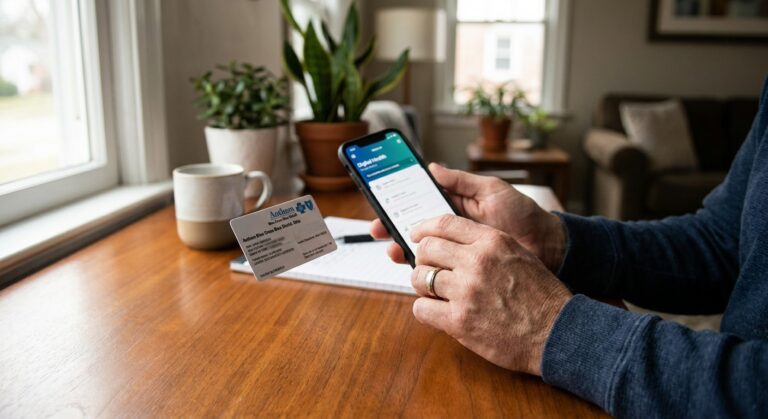
For a lot of parents, the clinical questions are only half of what keeps them up at night. The other half is money. TruHealing Cincinnati accepts Aetna, Cigna, UnitedHealthcare, Anthem Blue Cross Blue Shield, Optum, UMR, and private pay. Director of Admissions Philip Wilson verifies your son’s benefits before he is admitted, so you know what to expect before he walks through the door instead of finding out weeks later.
The fear of surprise bills is real, and it stops many families from calling at all. You are already stretched thin emotionally, and the last thing you need is a stack of statements you did not see coming. Philip has more than five years of experience handling benefit verification and approvals, so he knows how to read a plan, ask the insurance company the right questions, and explain the answers to you in plain language. Every plan is different, so the only honest answer about what your son’s plan includes comes from checking his specific benefits, and that is the first thing Philip does.
Choosing inpatient rehab in Cincinnati, OH can also simplify the billing side. When a treatment center is several states away, things can get more complicated, especially if the program falls outside your son’s plan network. With care here in Cincinnati, OH, the paperwork may be more straightforward, though it still depends on his plan. The same goes for his job: if he needs medical leave, keeping care local can make it easier to provide what his employer asks for, and his HR department can tell you exactly what they need.
There are a couple of practical details parents do not always expect. If your son is under 26, he may still be on your health plan, which means you might be the policyholder Philip talks with. Because your son is an adult, though, privacy laws mean he will usually need to sign consent before the team can share details of his care with you, and that conversation is part of intake. When you call, have his insurance card, his date of birth, and the policyholder’s information handy, so Philip can start verification right away.
Coming Home Should Not Mean Starting Over With People Who Never Met Him
Insurance and intake get him through the door, but most parents are already wondering what happens when residential care ends. When that day comes, your son can step down into TruHealing Cincinnati’s Partial Hospitalization Program in Cincinnati, OH, without moving to another city or starting over with a program that does not know his history.
PHP is a step down in intensity, not a step away from support. He still has full, structured days of treatment, but he is starting to practice living back in the world, with the stress and temptations that come with it. That step matters, because the days right after residential care can be some of the most fragile. Structure drops off, old friends call, and the work he did in a protected setting gets tested for real.
Continuity is what can make this step stronger when care stays local. The plan built from his intake screens, what his trauma screen and psychiatric assessment revealed, his GeneSight-informed medication choices, and the DBT skills he practiced all carry forward in the same TruHealing Cincinnati program and the same community. Instead of spending his first weeks of step-down care retelling his whole story to someone new, he can keep building on what has been working for him.
Compare that with the man who flies across the country for residential treatment. He finishes, flies home, and then he or his family has to find the next level of care from scratch, often with a waiting period, new paperwork, and a team that has never met him. That gap can leave him without support exactly when he needs it most. The National Institute on Drug Abuse has pointed out that staying in treatment for an adequate period of time is critical, and keeping each level of care close to home can make it easier for him to continue instead of falling through the cracks.
What Else Do Parents Ask Before They Make the Call?
Most parents ask the same handful of questions about length of stay, visits, insurance, mental health, the all-male setting, and distance. Here are straight answers to each, so you can walk into that first phone call already knowing the basics.
How long does inpatient rehab in Cincinnati, OH typically last? Residential treatment often lasts 28 to 90 days. The length depends on how severe his substance use disorder is, whether he has a co-occurring mental health condition, and how he progresses medically and emotionally. His team reviews his progress along the way.
Can family visit during residential treatment at TruHealing Cincinnati? Ask admissions about visiting times and how family can be involved when you call. Being in Cincinnati, OH means that whatever the schedule is, you are a drive away rather than a flight.
What insurances does TruHealing Cincinnati accept for inpatient rehab? TruHealing Cincinnati accepts Aetna, Cigna, UnitedHealthcare, Anthem Blue Cross Blue Shield, Optum, UMR, and private pay. Philip Wilson, who has more than five years of experience with benefit verification and approvals, checks benefits before admission so you know what to expect.
What happens if my son has a mental health condition in addition to addiction? TruHealing Cincinnati runs an in-depth psychiatric assessment and GeneSight testing at intake, along with biopsychosocial, trauma, mental health, and substance use screens. If depression, anxiety, or another condition shows up, the team provides integrated dual-diagnosis care, pairing a licensed therapist using DBT with medical treatment.
Why choose an all-male inpatient program instead of a co-ed one? TruHealing Cincinnati is entirely male, and its emotional recognition and trauma therapies are delivered from a man’s perspective. That environment allows men to work through provider-role pressure, anger, and shame without fear of judgment, which may feel more approachable for men who have spent years keeping everything inside.
Who does TruHealing Cincinnati serve? TruHealing Cincinnati serves adult men 18 and older from Cincinnati and Springfield, OH, Lawrenceburg, Lexington, and Louisville, KY, and Indianapolis, Indiana, along with families who want residential care within a manageable drive so they can stay involved while their son is in treatment.
What Should You Do Today if Your Son Needs Residential Care?
Call TruHealing Cincinnati at 502-830-3523 to speak with Director of Admissions Philip Wilson about insurance verification, intake assessments, and whether residential treatment close to home is the right step for your son right now. That one call gets his benefits checked and gives you a clear picture of what comes next.
You’re at a fork in the road. One path keeps you waiting, hoping, and watching your phone every night. The other starts with a conversation with someone whose job is walking families through exactly this, someone who will listen to what is going on with your son and tell you honestly whether this program fits what he needs. You do not have to have it all figured out before you call, and you do not need your son to be on board yet to start asking questions.
Before you pick up the phone, here is one thing worth doing with any program you are weighing, whether it is out of state or here in Cincinnati, OH. Ask who will be in the room with your son during his second week, when difficult feelings tend to surface, and what credentials they hold. Then ask yourself how far you will be from that room. If the answer is a cross-country flight, you have learned something important. If the answer is a short drive and a team led by a clinical director and Independent Chemical Dependency Counselors who want you to be part of his care, you have found the kind of support that can keep a family connected while he works on recovery.
Start Your Recovery in Cincinnati Today
Making the decision to seek inpatient treatment is a significant step, and you don’t have to figure it out alone. TruHealing Cincinnati is here to answer your questions about residential addiction treatment, insurance coverage, and what to expect during your stay. Reach out now to speak with someone who understands what you’re going through.
Treatment outcomes vary for each person and no program can guarantee specific results. Recovery is different for each person and depends on many individual factors.