Drug Detox in Cincinnati, OH: Medically Supervised Detox and What to Expect at TruHealing Cincinnati
You know you need to stop. The fear of what your body will do once the substance leaves your system is louder than the fear of what happens if you keep using. That fear is not irrational. Some withdrawals can be medically dangerous without supervision. That is exactly why medically supervised detox exists, and why it comes first at TruHealing Cincinnati. If you are looking for drug detox in Cincinnati, OH, this page explains what that first step looks like, who decides whether you need it, and what happens after it ends.
You’re at a fork in the road. One direction is the cycle you already know: trying to quit alone, feeling withdrawal hit, and using again just to make it stop. The other direction starts with a phone call to a medical team.
TruHealing Cincinnati is an all-male center that treats addiction and mental health together. It offers medical detox, residential care, and partial hospitalization. It accepts Aetna, Cigna, UnitedHealthcare, Anthem Blue Cross Blue Shield, Optum, and UMR, and private pay is available. If money or insurance is part of what’s holding you back, keep that in mind as you read.
And if you’re reading this for your son, your husband, or your dad because he’s too deep in it right now to make the calls himself, this page is for you too. Everything below is what he would walk into, so you can see the path before you ask him to take it.
What Is Medically Supervised Drug Detox, and Why Can’t You Just Tough It Out at Home?
Medically supervised drug detox means a medical provider and nursing staff manage your withdrawal, and medications may be used when needed to help keep symptoms safe and more bearable. It is clinical care, not a waiting room where you sweat it out alone and hope for the best.
Think about coming down a steep, icy mountain. You can try it alone in the dark. Or you can come down with a guide who knows the trail, has the right gear, and can catch you if you slip. Detox at home is the first option and supervised detox is the second. The destination is the same, but one way may be more likely to help you get to the bottom in one piece.
Here’s why that matters:
- Alcohol and benzodiazepines: withdrawal can cause seizures, and alcohol withdrawal can also lead to a dangerous condition called delirium tremens. That is not something you can safely manage from your couch.
- Opioids: withdrawal is rarely deadly on its own, but vomiting and diarrhea can leave you badly dehydrated, and your heart rate and blood pressure can swing in ways that need watching. The bigger danger is using again when the pain gets bad enough. By then your tolerance has often dropped, which raises the risk of overdose.
The Substance Abuse and Mental Health Services Administration describes detox in its clinical guidance (TIP 45) as three things working together: evaluation, stabilization, and helping the person move into ongoing treatment. Detox is not just about getting a substance out of your body. It is about getting you medically steady and ready for the work that comes next.
Maybe you’ve tried to tough it out before. Maybe you made it two or three days, and then the shaking, the sweating, or the sleeplessness won. That doesn’t mean you’re weak. It means you were trying to do a medical process without medical help. Nobody expects a man to set his own broken leg, and there’s no reason to expect you to manage withdrawal by willpower alone.
How Does TruHealing Cincinnati Decide Whether You Need Detox, and What Happens at Intake?
At TruHealing Cincinnati, placement in detox is a medical decision. The medical provider and nursing staff assess you and determine whether you may need detox services. It is not an admissions guess or a calendar estimate. It is based on what your body appears to need.
Your intake covers four areas:
- Full biopsychosocial assessment: your physical health, mental health, relationships, work, and what has been going on around you.
- Trauma screen: a check for painful experiences that may still be driving your substance use.
- Mental health screen: a check for conditions like depression or anxiety.
- Full substance use screen: what you have been using, how much, how often, and for how long.
The clinical team builds your individualized treatment plan in that same intake session. You do not spend your first days in limbo waiting for someone to figure out what to do with you.
Therapists also run in-depth psychiatric assessments and GeneSight testing. GeneSight is a genetic test that looks at how your body may process certain medications. It may help the team make more informed choices about what to prescribe and what to avoid. If you’ve tried medications that didn’t seem to work, or that came with side effects you couldn’t stand, those results may inform how your plan is built. The goal is a plan that can start working earlier in your stay, though individual responses vary.
Detox comes first for a reason. Addressing the physical symptoms of addiction right away may give the team a clearer picture of you without the substance or the withdrawal clouding everything. From that point, clinical care can be more targeted to your specific needs.
Yes, you will be asked hard questions at intake. A lot of men walk in carrying guilt and shame about the answers. The team is not there to judge you. The more honest you are, the better your personalized treatment plan may fit you.
What Actually Happens During Drug Detox in Cincinnati, OH at TruHealing Cincinnati?
During drug detox in Cincinnati, OH at TruHealing Cincinnati, a medical provider and nursing staff monitor you, may manage withdrawal symptoms with medication when appropriate, and respond to complications. The goal is to keep you safe and as comfortable as possible while your body stabilizes.
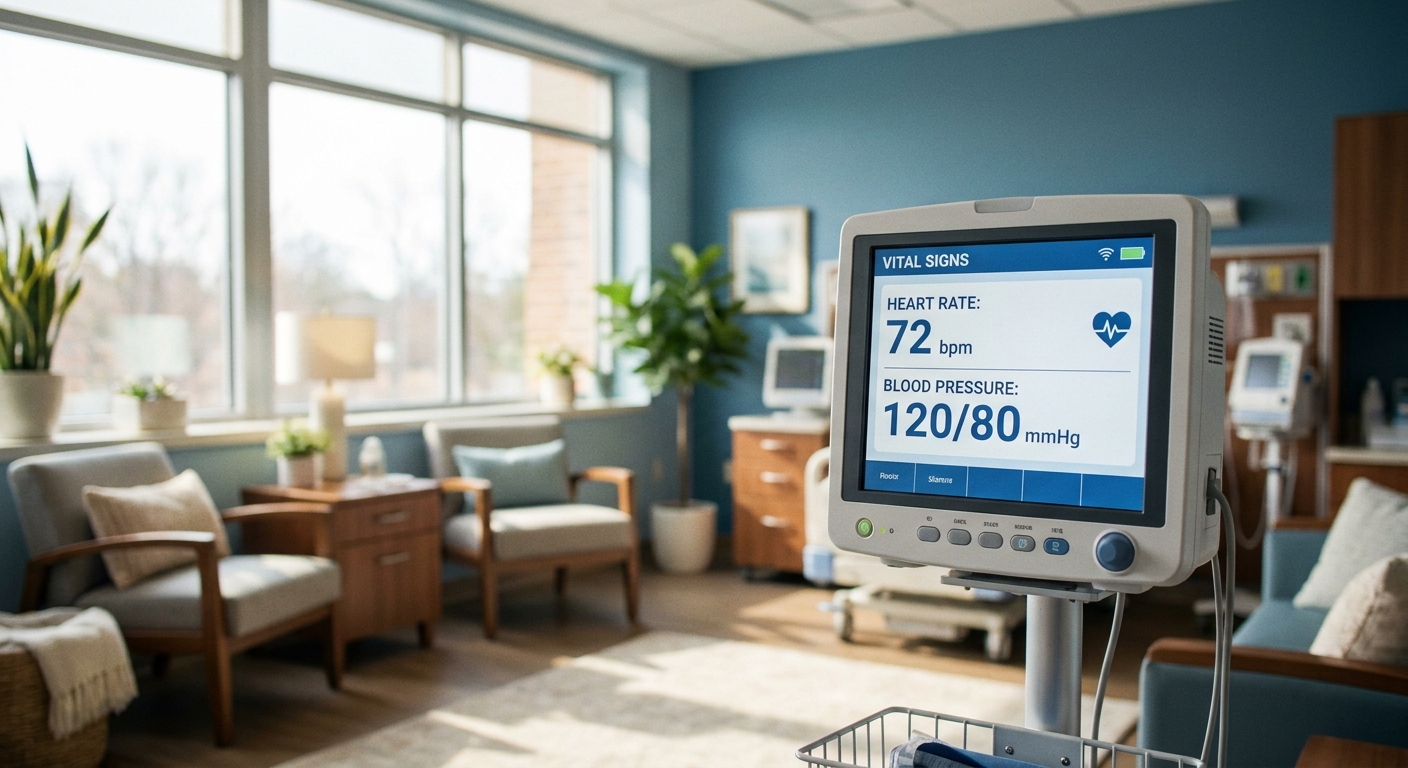
Nursing staff watch your vital signs, like heart rate, blood pressure, and temperature. They ask how you’re feeling so problems may be caught earlier. If your symptoms climb, the medical provider can adjust your care.
The U.S. Food and Drug Administration has approved medications specifically to help ease opioid withdrawal symptoms, and other approved medications may be used for withdrawal from other substances. Your medical provider decides which ones, if any, may make sense for you. That choice is based on what you’ve been using, what your assessment showed, and what your GeneSight results suggest about how your body handles medication.
A big part of detox is basic care that most men have neglected for a long time: drinking fluids, eating real food, and sleeping. That might sound simple. But when your body has been running on a substance for months or years, it needs time to recover.
Detox is not a fixed five or seven days. How long it lasts depends on the substance, how long you’ve been using, and how your body responds. A man coming off alcohol after years of daily drinking may need a different timeline than a man stopping a short-term opioid pattern. You move forward when your medical team says your body is stable, not on an arbitrary schedule.
When Detox Uncovers Depression, Anxiety, or Trauma, Your Care Plan Changes With You
What happens if detox shows there’s more going on than the substance?
If your assessments show depression or anxiety underneath your substance use, TruHealing Cincinnati may move you from a detox-only track to integrated dual-diagnosis care. A licensed therapist using dialectical behavior therapy (DBT) may work alongside your medical detox protocol.
At TruHealing Cincinnati, substance use treatment is treated as mental health treatment. The team does not see your drinking or drug use as separate from the anxiety that keeps you up at night or the heaviness you’ve carried for years. For a lot of men, the substance started as a way to quiet something else. If you only treat the substance, that something else is still waiting when you walk out the door.
DBT is an evidence-based therapy. It teaches practical skills for:
- handling strong emotions,
- getting through hard moments without making them worse,
- communicating when you feel overwhelmed.
There is one honest caveat. Deeper clinical work on trauma and other mental health disorders may need a period of detox first, because your body and brain have to be steadier before that work can take hold. Early on, the focus is stability. The deeper work builds from there.
TruHealing Cincinnati runs dedicated Men’s Addiction Treatment and Men’s Mental Health Treatment tracks, and the all-male setting may matter more than most men expect. A lot of guys spend years acting like everything is fine, because that’s what they were taught. Among other men working through similar things, it may get easier to drop that armor and finally say out loud what has been going on.
Detox Ending Does Not Mean Starting Over
When detox ends at TruHealing Cincinnati, you can step into residential or partial hospitalization care. Your psychiatric assessment, trauma screen, GeneSight results, and treatment plan are already in place. You don’t start from scratch.
Part of you might be worried this will be one more round: get through detox, feel a little better, and be right back where you started in a few weeks. If you’ve been there before, that fear makes sense.
The National Institute on Drug Abuse is clear in its principles of treatment. Medically assisted detox is only the first stage of addiction treatment, and by itself it does little to change long-term drug use. Detox gets your body steady, but it doesn’t address the reasons you were using. When a man leaves detox with no next step, those reasons are still there, and so is the pull.
That’s why the handoff matters. At TruHealing Cincinnati, detox, residential, and PHP are all levels of care within the same program, so the work you did at intake carries forward. Here’s how the next levels work:
- Residential care: you live within a healing community of men and do focused clinical work every day.
- Partial hospitalization (PHP): structured days of clinical care with more independence.
Your team helps decide which level fits based on how you’re doing.
Treatment is work. Nobody can predict exactly how your recovery will go, and recovery experiences vary widely from person to person. But moving directly from detox into personalized treatment built on your own assessments, instead of stopping after the hardest physical part, may help support the work toward recovery.
Will Your Insurance Work, and How Do You Start Detox at TruHealing Cincinnati?
Once you know what detox looks like, the next questions are usually about money and timing.
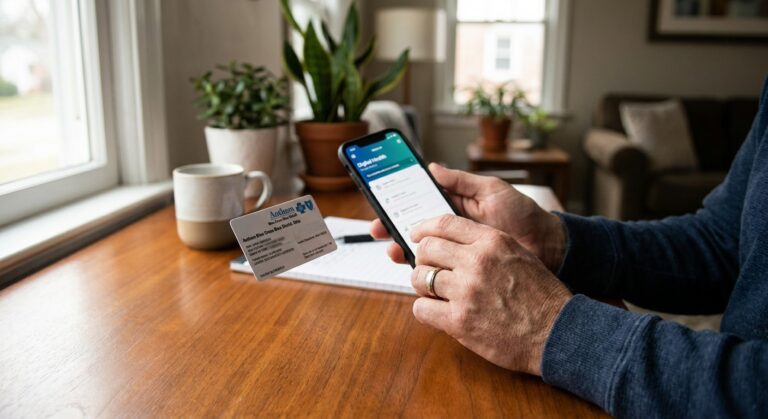
TruHealing Cincinnati accepts Aetna, Cigna, UnitedHealthcare, Anthem Blue Cross Blue Shield, Optum, and UMR. Private pay is also accepted. Your costs depend on your specific plan, so the admissions team is the one to give you real answers rather than a guess.
The waiting is often the most dangerous part. You make the decision on a Tuesday, and by Thursday the withdrawal, the cravings, or the shame have talked you out of it. Calling while the decision is fresh matters.
Your privacy is protected. Substance use treatment records are covered by strict federal confidentiality rules. For a lot of men, the fear of someone finding out is almost as big as the fear of withdrawal itself.
One important safety note: if you or someone you love is withdrawing right now and having a seizure, confusion, hallucinations, chest pain, or trouble breathing, call 911 or go to the nearest emergency room first. Do not wait to call a treatment center. Once you are medically safe, the admissions team can take it from there.
Questions Men Ask Before They Make the Call
These are common questions from men, and from the families calling for them, before starting drug detox at TruHealing Cincinnati.
How long does drug detox take at TruHealing Cincinnati?
There’s no fixed number of days. Detox length depends on the substance, how long you’ve been using, and how your body responds. You move forward when the medical team says you’re stable enough, though individual timelines vary.
What substances may require medically supervised detox?
Alcohol, benzodiazepines, and opioids are the most common. Alcohol and benzodiazepine withdrawal can cause seizures. Opioid withdrawal can cause serious dehydration and swings in heart rate and blood pressure, and the pain often drives men back to using. The medical provider and nursing staff assess what you’ve been using and determine whether you may need detox services.
Can mental health care start during detox at TruHealing Cincinnati?
Yes. Therapists run in-depth psychiatric assessments and GeneSight testing so your treatment plan can start working earlier in your stay, though response times vary. Deeper trauma work comes after detox, once your body is steadier.
What happens if I need detox but also have depression or anxiety?
You may move from a detox-only track to integrated dual-diagnosis care. A licensed therapist using DBT may work alongside your medical detox protocol, so both are addressed together.
Does insurance cover drug detox at TruHealing Cincinnati?
TruHealing Cincinnati accepts Aetna, Cigna, UnitedHealthcare, Anthem Blue Cross Blue Shield, Optum, and UMR. Coverage depends on your plan, so the admissions team will review your benefits with you. Private pay is also accepted.
What comes after detox at TruHealing Cincinnati?
TruHealing Cincinnati offers residential and partial hospitalization care after detox, and your intake assessments and treatment plan carry forward into that next stage.
Here’s one thing you can do in the next five minutes, before you talk yourself out of it. Write down:
- what you’ve been using,
- roughly how much,
- how often,
- when you last used.
If you’re a parent or partner making the call, write down what you know, even if it’s incomplete. That short list may give the medical provider and nursing staff a head start on your substance use screen. It also means nobody has to remember everything on the spot while they’re already anxious.
Call TruHealing Cincinnati now at 502-830-3523 for a confidential conversation about medically supervised drug detox in Cincinnati, OH.
Begin Your Recovery With Support That Understands
If you or someone you care about is ready to take the first step toward sobriety, medically supervised detox can make the difference between stopping and truly healing. TruHealing Cincinnati’s team is here to walk you through what to expect, answer your questions, and help you begin withdrawal safely and with dignity. You don’t have to figure this out alone.
Individual experiences with treatment vary, and outcomes cannot be guaranteed.