
Before a man at TruHealing Cincinnati is matched with any type of therapy, the clinical team starts by working out what is going on underneath the drinking or using, whether that is anxiety, trauma, depression, or something else, because that is what decides which tools belong in his plan. This page walks through the main kinds of mental health therapy in everyday words, from CBT and DBT to EMDR, and shows which ones tend to fit a man who is also dealing with addiction.
If he is in danger right now: call 911 for a possible overdose or any medical emergency. If he is talking about suicide or is in an emotional crisis, call or text 988 to reach the 988 Suicide & Crisis Lifeline. The crisis section further down walks you through those first minutes step by step.
What are the different types of mental health therapy?
The main types of mental health therapy are talk therapies, and each one does a different job. CBT focuses on the thought patterns that influence behavior. DBT builds skills for handling intense emotions. EMDR and trauma therapy are approaches to working with painful memories. Individual, group and family counseling decide who is in the room while that work happens.
The National Institute of Mental Health describes psychotherapy, or talk therapy, as a range of treatments that help a person identify and change troubling emotions, thoughts and behaviors. That is the whole toolbox in one sentence. Here is what each tool does in plain words:
- Cognitive Behavioral Therapy (CBT) is designed to help a man notice the thoughts that may push him toward a drink or a pill, like “I can’t handle today without it,” and practice testing and changing them. NIMH explains that CBT works on the link between thoughts, feelings and behaviors.
- Dialectical Behavior Therapy (DBT) is built for emotions that hit hard and fast. NIMH notes that DBT teaches skills such as emotion regulation, distress tolerance and mindfulness, so a man may have something to reach for besides a substance when anger, shame or panic shows up.
- EMDR (Eye Movement Desensitization and Reprocessing) is an approach in which a person works through painful memories using guided back-and-forth eye movements or similar cues.
- Trauma therapy is a wider group of approaches that help a man explore how past harm may still shape how he reacts today, at a pace that feels safe.
- Individual counseling is one-on-one time with a therapist. Group counseling puts him in a room with other men working on similar things. Family work brings the people who love him into the process.
A simple way to hold all this: CBT is a tool for the thinking, DBT is a tool for the feeling, EMDR and trauma therapy are tools for the past, and the counseling formats are where the tools get used. A man with both addiction and a mental health condition may need more than one. If you want the bigger picture of how mental health treatment in Cincinnati works at TruHealing Cincinnati, that page covers it. The rest of this one stays on the therapies themselves and how they may fit a man whose mental health and substance use are tangled together.
Which therapies does TruHealing Cincinnati use, and what does each one offer a man?
TruHealing Cincinnati uses CBT, DBT, EMDR, trauma therapy, individual counseling, group counseling, Family Programming and holistic addiction therapy, and every one of them is delivered from a male perspective inside an all-male program. The facility runs dedicated Men’s Addiction Treatment and Men’s Mental Health Treatment tracks, so your son is not placed in a general program and asked to make it fit.
The conditions TruHealing Cincinnati treats include:
- Alcohol addiction, along with cocaine, heroin, meth, opioid, opiate, painkiller and prescription drug addiction
- Depression, trauma and PTSD, and other mental health disorders
- Dual diagnosis, meaning a mental health condition and a substance use disorder at the same time
So what does that look like once he is actually there? Here is how each therapy may show up in his day:
- CBT offers him a way to practice catching the “just one won’t hurt” thought and trying a different response.
- DBT offers skills for the moments when emotions spike. For many men that means anger, because anger often feels safer to show than fear or grief.
- EMDR and trauma therapy offer a careful way to work through things he may never have said out loud, sometimes the very things he has been drinking or using to keep quiet.
- Individual counseling is where he and his therapist build rapport and set his personal goals.
- Group counseling puts him with other men who know what guilt and shame feel like, so he may see he is not the only one.
- Family Programming helps you and the rest of the family understand what he is working on and how to support it.
- Holistic addiction therapy looks at the whole man, not only his substance use.
The reasoning behind this approach matters. As TruHealing Cincinnati puts it, Cincinnati is a strong working-class city, and a lot of the men who come through the door are the providers and protectors of their families. All too often those men struggle in silence because they are afraid to ask for help. The team describes everything it does as male-centric, from emotional recognition therapies to trauma therapies, and built so men can work on dealing with and regulating their emotions in a healthy way. The goal, in the team’s words, is to let men “shed that armor” and do the work without fear of judgment. For a son who has never told you how he feels, a room where other men are doing exactly that may be a first step toward opening up.
How does dual-diagnosis care treat mental health and addiction together?
Dual-diagnosis care treats a man’s mental health condition and his substance use at the same time, in one plan, instead of handling one and hoping the other sorts itself out. At TruHealing Cincinnati that starts with a full set of screenings at intake and medical detox to steady his body first, so the clinical work can be aimed at what is going on.
A lot of families think of rehab and mental health care as two separate things. Maybe he drank to quiet anxiety, or used pills to get through a stretch of depression he never named, or used to numb something that happened years ago. If treatment removes the substance and never addresses what it was covering, the reason he reached for it may still be there when he gets home. That is why a program that treats both together is worth considering for a man who has tried to quit on his own, or been through treatment before, and found it did not hold.
At intake, the TruHealing Cincinnati team runs four screens: a full biopsychosocial assessment, a trauma screen, a mental health screen and a full substance use screen. The clinical team builds his individualized treatment plan in that same session, so the plan is shaped by what the screens show and not by a standard template. Detox comes first, because the physical symptoms of withdrawal need to be treated right away. Once his body is steadier, the team has a baseline for prompt, targeted clinical care. Whether he needs detox at all is a medical decision made by the medical provider and nursing.
Here is the part many families never hear about. If the screens show depression or anxiety sitting under the substance use, TruHealing Cincinnati shifts him from a detox-only track to integrated dual-diagnosis care. A licensed therapist using DBT works alongside the medical detox protocol, so the two are treated together rather than one after the other. Clinical staff keep assessing his mental health throughout detox, and if he shows symptoms that look like untreated mental illness, they bring it to the medical provider. His mental health does not decide when he leaves detox, though. That stays a medical call based on his physical recovery.
The team is also honest about where the limits are, and you deserve that honesty too. TruHealing Cincinnati can treat many mental health concerns alongside addiction, but like most facilities it works within what insurance companies will approve. For example, a man using only marijuana with no mental health concerns is someone the team generally cannot treat, because insurance will not cover that level of care. Knowing that upfront can spare a family false hope and a wasted week.
How is a therapy plan matched to one man and adjusted over time?
At TruHealing Cincinnati, a therapy plan starts with in-depth assessments, gets checked every single day and is reviewed by the full team twice a week, so it can change as your son changes. Nobody hands him a menu of therapies and wishes him luck.
The matching starts early. Therapists complete in-depth psychological assessments, and TruHealing Cincinnati uses GeneSight testing as part of mental health treatment (it is not tied to detox). GeneSight is a genetic test that can help a provider understand how a person may respond to certain mental health medications. Together, those pieces are intended to help the plan get started early in his stay.
Then comes the daily rhythm. Each man checks in during group, rating his cravings from 1 to 10 (10 being the strongest) and how stable he feels from 1 to 10 (10 being the best he has felt). He is encouraged to show some vulnerability and talk through what he is struggling with. Clinicians use a lot of motivational interviewing in these check-ins. They ask why he does what he does and help him link his emotions and behaviors to things that have happened to him. They also watch for physical signs like bouncing legs, not being able to sit still, not being able to look someone in the eye, or rushed speech.
So what happens when a man says he is a 2 on cravings but his body says otherwise? The clinician follows a specific sequence. First comes a reflection of the mismatch back to him, then a scaling question tied to his 1-10 check-in, and then a decisional balance exercise where he weighs both sides. If two or more physical signs stick around across three straight daily check-ins, the clinician brings it to the team review rather than acting alone, and he stays at his current level of care until the mismatch resolves.
On top of the daily check-ins, each man reviews his homework and goals with his clinician every week, and the clinician shares their own read and their hopes for him. The clinical team meets weekly with the medical provider about medication concerns and symptom management. Clinical, nursing and case management also meet twice a week to review any client issues, barriers to treatment and recommendations. The people doing this work are master-level clinicians, including staff with master-level social work and counselor licensure and an ART certified counselor. TruHealing Cincinnati keeps a high staff to client ratio compared to typical programs, with the aim that those check-ins happen consistently.
What if your son walks in convinced therapy is useless? That is common, and the team’s first move is to understand why. It might be a lack of insight, low motivation, not knowing what therapy actually is, a bad experience with a past therapist, or plain stigma. One client the team worked with had been told by his family growing up that therapy is for “weak” people. His clinician explored where that belief came from and explained the process, the potential benefits and what to expect, and he became more comfortable in the room over time. That was one person’s experience, and it will not look the same for every man. Sometimes it is just about getting to know him, with the clinician sharing what they are comfortable sharing about their own life, and taking the pressure off “doing it right.”
And if he arrives scared or ready to walk out, he is connected with his therapist right away. As the team puts it, going to treatment for the first time or even the third time can be very scary, and that’s normal. That being said, you’re at a fork in the road when you come to treatment, and having someone with the experience to walk him through those emotions can support him in staying engaged.
Which level of care comes first, and what do the first days look like?
The level of care your son starts in is based on his use patterns, what the medical provider and nursing find, and what his insurance will approve. TruHealing Cincinnati offers medical detox, residential care and an intensive outpatient program (IOP), and the first call can tell you more about where he would likely begin.
Here is how the main levels of care in Cincinnati compare:
| Level of care | What happens there | Who it usually suits | At TruHealing Cincinnati |
|---|---|---|---|
| Medical detox | Medical staff treat withdrawal symptoms and steady the body | A man whose body has come to depend on alcohol or drugs | Offered; the medical provider and nursing decide if he needs it |
| Residential (inpatient) | He lives on site with daily individual and group therapy | A man who needs real distance from his routine, or whose mental health and substance use are badly tangled | Offered, with private rooms and a lower patient census |
| Intensive outpatient (IOP) | Several hours of therapy a few days a week while living at home | A man who is more stable and has a safe, sober place to live | Offered |
| Standard outpatient therapy | A weekly or less frequent session with a therapist | Someone with milder symptoms, or longer-term support | Not offered here; aftercare planning before discharge points him to next steps |
If you are trying to picture which fits your son, these signs tend to point one way or the other:
- Residential care often fits a man who has tried to quit at home and could not, whose home is full of triggers or other people using, who has depression, anxiety or trauma showing up alongside the substance use, or who has been through treatment before and relapsed.
- IOP often fits a man who has already finished a higher level of care, is medically stable, has a supportive home, and can keep up with structured therapy while handling daily life.
Insurance is usually the first big worry, so here is how it works. TruHealing Cincinnati is fully out-of-network, which means it has no in-network contracts with any insurer. It works with commercial PPO plans out-of-network, and it does not accept Medicaid or Medicare. Philip Wilson, director of admissions, handles benefit verification and has been doing it for more than five years. He needs only three things: your son’s name, his date of birth and his member ID. Because the facility is out-of-network, nothing is collected upfront. Philip walks families through the out-of-network deductible and out-of-pocket amounts, which are often larger than in-network amounts, and explains options like delayed payment or a payment plan.
One thing parents often miss: if your son is between 20 and 26, he may still be on your plan, and nobody in the family may know what substance use benefits it carries. The team says insurance plans can be confusing by design, and its job is to help you understand yours. Federal parity law generally requires many employer health plans to keep limits on mental health and substance use disorder benefits no stricter than limits on medical and surgical benefits. That is one more reason to have someone actually read the policy instead of guessing.
Here is how starting treatment usually unfolds:
- You call. Philip checks benefits with your son’s name, date of birth and member ID.
- You hear the real numbers. He explains the out-of-network costs and payment options, and what the money pays for: private rooms, higher quality food, a lower patient census and a high staff to client ratio.
- You and your son decide. No one makes that call for you.
- Intake. The team runs the biopsychosocial, trauma, mental health and substance use screens, and builds his individualized plan in that same session.
- Detox, if he needs it. The medical provider and nursing assess him, and detox begins right away to treat physical symptoms.
- Therapy starts early. Therapists begin in-depth psych assessments and GeneSight testing, and if he is scared or wants to leave, he meets his therapist right away.
Many men expect a hospital where they lose all control and freedom, and that is not what they find. Treatment is work, and it is tiring, so the workout facility, cold plunge, red light sauna and movie theater are there to help him recharge. Before he leaves, his aftercare is set up, and the alumni program helps him stay connected. Cincinnati also has a wide mix of recovery meetings, from traditional 12-step groups to faith-based, secular and meditation-based options, plus peer support specialists and life coaches in the wider community. That gives him room to look for what fits and to find ongoing support after discharge.
What should you do in a mental health crisis in Cincinnati, and when he is not ready yet?
If you think he may be overdosing, call 911 right away, check his breathing and the color of his lips and nail beds, give Narcan if you have it and start CPR if you do not. If he is talking about suicide or is in an emotional crisis, call or text 988 any time of day, and talk about treatment only after he is safe.
That order is how the TruHealing Cincinnati team handles a crisis call. The person on the phone asks whether he is breathing, what color he is turning and what color his nail beds are. They walk the caller through Narcan if it is in the house, have them start CPR if it is not, and get the address so EMS can reach him. Treatment does not come up until he is safe.
Most days are not that kind of emergency, though. Most days are the slow, grinding fear of watching your son say “not yet” again. The team’s advice may surprise you: tough love does not always work. What the team has found helpful is a supportive, loving approach with healthy boundaries, without enabling continued use. That means you can refuse to hand over money, refuse to cover for him, and still tell him you love him and you are not going anywhere. The team regularly walks families through how to put a boundary in place and still love someone through the process until he is ready to walk through the front door.
The hardest part is this: try not to cut off contact when he says not yet. When communication stops after a “no,” he may feel like a number instead of a person. Keep checking in, keep the door open, and let him have a say in his own process, because decisions are hard to sustain when they are forced. Sometimes a man needs to try it his way first, at a meeting or by changing jobs, before he sees that withdrawal and old patterns get in the way at home. One man called the team back after trying it his way and said, in so many words, “You were right, I should have just gone to detox. I’m ready now. How do I do this?” That was one man’s story, and every family’s path looks different. When that moment does come, you want him to know who stayed in his corner.
Your voice matters after he arrives too. Through Family Programming you learn what he is working on. And when a man gets itchy to leave early, the team will sometimes reach out to the family for help. A married man might insist he has to get home because his wife needs him, and that feels completely real to him, even though his addiction has kept him from being that person for months. So the team may call his wife or his parents, explain the concerns, and ask them to help encourage him to stay. A month can feel impossible to him, so the team breaks it down, one day at a time, sometimes one week at a time, as he works on building a foundation to stand on.
The questions parents ask before they make the call
Most parents ask the same handful of questions before they pick up the phone, and the short answers are below. Each one is something the admissions team can go deeper on for your son’s situation.
What are the different types of mental health therapy? CBT, DBT, EMDR, trauma therapy, and individual, group and family counseling, each built for a different job. At TruHealing Cincinnati they are combined into one personalized treatment plan rather than offered as separate pieces.
What is the difference between CBT and DBT? CBT focuses on the thought patterns that influence behavior, while DBT focuses on managing intense emotions and building coping skills. Many men work with both: CBT for the “just one” thinking and DBT for the anger or panic underneath it.
Can mental health and addiction be treated at the same time? Yes. Dual-diagnosis care treats both together, and at TruHealing Cincinnati it starts with detox and full screenings at intake. If depression or anxiety shows up under the substance use, a licensed therapist using DBT works alongside the medical detox protocol from the start.
Does TruHealing Cincinnati take insurance? It is fully out-of-network, works with commercial PPO plans, takes no Medicaid or Medicare, and verifies benefits using only a name, date of birth and member ID. Nothing is collected upfront.
What if he says therapy is not for him? Clinicians first learn why he doubts it, then educate and build rapport without pressure. In the meantime, you can stay supportive with healthy boundaries and keep checking in.
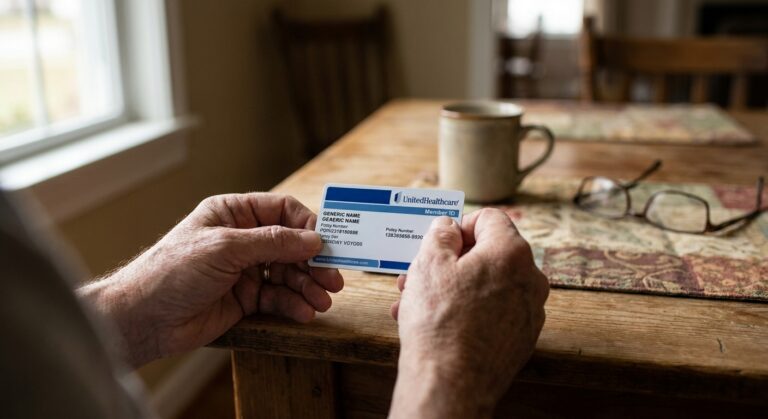
You do not have to understand every therapy acronym to take the next step, and your son does not have to be fully ready for you to start learning his options. Call TruHealing Cincinnati at 513-429-7900 and have Philip Wilson check his benefits with just his name, date of birth and member ID. You can ask whether detox may be the right place to start and which level of care and which therapies may fit him, with nothing collected upfront. If you do only one thing tonight, find his insurance card and write down that member ID, because it is the single piece of information the first call will need.
You Don’t Have to Sort Through the Options Alone
Reading about CBT, DBT, trauma-focused care, and group work can leave a man wondering which one is actually meant for him, especially when addiction and mental health are tangled together. You don’t need to have that figured out before reaching out. The team at TruHealing Cincinnati can talk through where you are right now and help you think about what kind of support fits, so the next step feels clearer.
Individual experiences in treatment vary, and this article is for general information only, not medical advice. If someone is in immediate danger, call 911. For an emotional crisis, call or text 988.