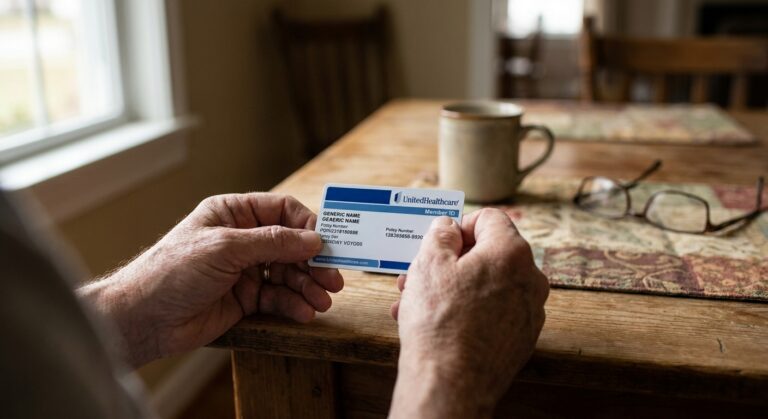

Recovery involves much more than detox, therapy, and attending treatment sessions. For many people, practical challenges like finding stable housing, returning to work, navigating insurance, coordinating medical appointments, or meeting legal obligations can become major barriers to staying on track. That’s where case management plays a vital role. It helps connect all the pieces of recovery, making sure people have the resources, support, and guidance they need both during treatment and as they transition back into everyday life.
Although it’s one of the most important parts of comprehensive addiction care, case management often receives far less attention than therapy or medical treatment. By coordinating services and helping individuals overcome real-world obstacles, case managers allow clients to focus on what matters most,their recovery. They also work closely with the clinical team to ensure that needs such as housing, employment, medical care, and dual diagnosis treatment are addressed as part of a coordinated, individualized plan for long-term success.
What a Case Manager Actually Does in Addiction Treatment
A case manager in addiction treatment is a coordinator, advocate, and navigator. They are not a therapist. They don’t run group sessions or prescribe medication. What they do is manage the full landscape of a person’s needs, clinical, logistical, financial, and social, so that the person in treatment can focus on recovery instead of paperwork and phone calls.
In practical terms, a case manager might handle:
- Insurance coordination — navigating pre-authorizations, appeals, and coverage questions so the person in treatment doesn’t have to
- Discharge planning — starting early, mapping out exactly where someone goes after each level of care and ensuring referrals are in place before they’re needed
- Housing — connecting people to sober living options, transitional housing, or community resources if returning home isn’t safe or supportive
- Legal and financial navigation — helping people manage obligations that exist in parallel to treatment (child custody, probation requirements, employment leave, disability claims)
- Community resource connection — linking people to local peer support groups, employment programs, mental health providers, and other community services they’ll need post-discharge
- Family communication — serving as a clear point of contact for families who need information and support but aren’t sure who to call
On any given week, a case manager might be on the phone with an insurance company in the morning, helping someone draft a letter to their employer in the afternoon, and coordinating a referral to a sober living facility by the end of the day. The role is inherently practical and it fills gaps that no other member of the clinical team is positioned to fill.
Who Needs Case Management Most
The short answer is: most people in serious addiction treatment benefit from case management. The longer answer is that some people need it more urgently than others.
People with complex needs — those with dual diagnosis, prior treatment episodes, housing instability, legal involvement, or strained family systems — are dealing with a set of challenges that therapy alone can’t address. Case management is what turns a list of problems into a coordinated plan.
First-time treatment participants often don’t know how to navigate the system — how insurance works, what questions to ask, what happens after residential, or how to access community resources. A case manager removes that barrier.
Families are frequently overwhelmed and underprepared. They’re managing their own emotional response while trying to understand levels of care, insurance appeals, and discharge options. A case manager is often the clearest, most consistent point of contact for families during a chaotic time.
For people managing co-occurring conditions alongside addiction, care coordination becomes even more critical. Dual diagnosis treatment works best when all the providers, medical, psychiatric, therapeutic, are in communication with each other and with the patient. Case management is what makes that coordination happen in practice, not just in theory.
Case Management at TruHealing Cincinnati
At TruHealing Cincinnati, case management isn’t an add-on or an optional service, it’s built into the program from day one. Every person who enters treatment is assigned a case manager as part of their care team, and that relationship begins during intake, not at discharge.
That early start matters. Discharge planning that begins on the last day of residential treatment isn’t really planning, it’s scrambling. Starting early means referrals are in place, insurance has been coordinated, housing options have been explored, and the step-down to the next level of care is a transition, not a cliff edge.
Families can also expect regular, clear communication from the case management team throughout treatment, not just updates when something goes wrong. Understanding what’s happening, what comes next, and who to contact with questions makes an enormous difference for families who are trying to be supportive without overstepping.
Learn more about the addiction case management program at TruHealing Cincinnati and how it supports the full recovery process.
How Case Management Supports the Transition Out of Treatment
The discharge transition is one of the highest-risk points in the entire recovery process. Research consistently shows that what happens in the first 30 days after leaving primary treatment has an outsized impact on long-term outcomes. Case management is the mechanism that makes that transition structured rather than abrupt.
A well-executed discharge plan built over time, not assembled in 48 hours includes:
- A confirmed step-down to the next level of care (PHP, IOP, or outpatient) with appointment dates already scheduled
- A plan for housing — either returning home with a safety assessment, transitional housing, or a sober living referral
- Community support connections — peer groups, sponsor relationships, local recovery resources
- Medication management continuation where applicable
- A clear point of contact if something goes wrong after discharge
When that plan is in place, discharge is a transition. When it isn’t, it’s a gap and gaps in the continuum of care are where relapse happens. The addiction aftercare program at TruHealing Cincinnati works hand-in-hand with case management to make sure nothing falls through at the moment it matters most.
Frequently Asked Questions About Addiction Case Management
Is case management covered by insurance?
In most cases, yes, case management services are covered as part of a comprehensive addiction treatment plan under most commercial insurance policies and Medicaid. Coverage specifics vary by plan. TruHealing Cincinnati handles insurance coordination as part of the case management process, so this is typically handled without the person in treatment needing to manage it themselves.
Do I request a case manager, or is one assigned automatically?
At TruHealing Cincinnati, a case manager is assigned as part of the standard intake process, you don’t need to request one separately. It’s a built-in component of treatment, not an optional service you have to know to ask for.
Is case management only available during residential treatment?
No. Case management support extends across levels of care through residential, PHP, IOP, and into aftercare. The intensity may shift as treatment progresses, but the coordination function remains in place throughout the continuum.
At TruHealing Cincinnati, case management is embedded in every level of care because good clinical treatment and a chaotic discharge plan aren’t compatible. Contact TruHealing Cincinnati to learn more about how our care team supports the full recovery process, from intake through aftercare.