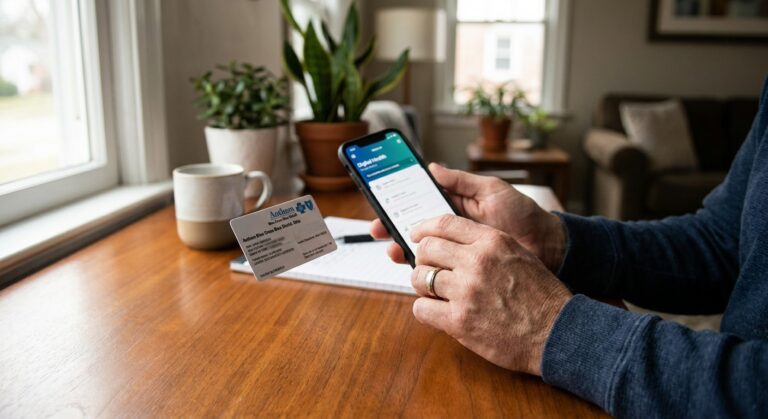

Starting medication-assisted treatment (MAT) can feel like a big step, especially if you’ve never taken medication for opioid use disorder before. It’s common to have questions about how the medication works, whether you’ll still feel like yourself, or what everyday life looks like once treatment begins.
Many people worry they’ll simply be “replacing one drug with another.” In reality, MAT is an evidence-based medical treatment designed to help people stabilize, reduce cravings, and focus on rebuilding their lives.
If you’re exploring treatment options, learning more about Medication-Assisted Treatment (MAT) can help you understand how medication, counseling, and ongoing support work together to improve long-term recovery outcomes.
One of the medications commonly used in MAT is a thin dissolvable strip placed under the tongue. Understanding how it works—and what to expect—can make starting treatment feel much less intimidating.
What These Dissolvable Strips Are
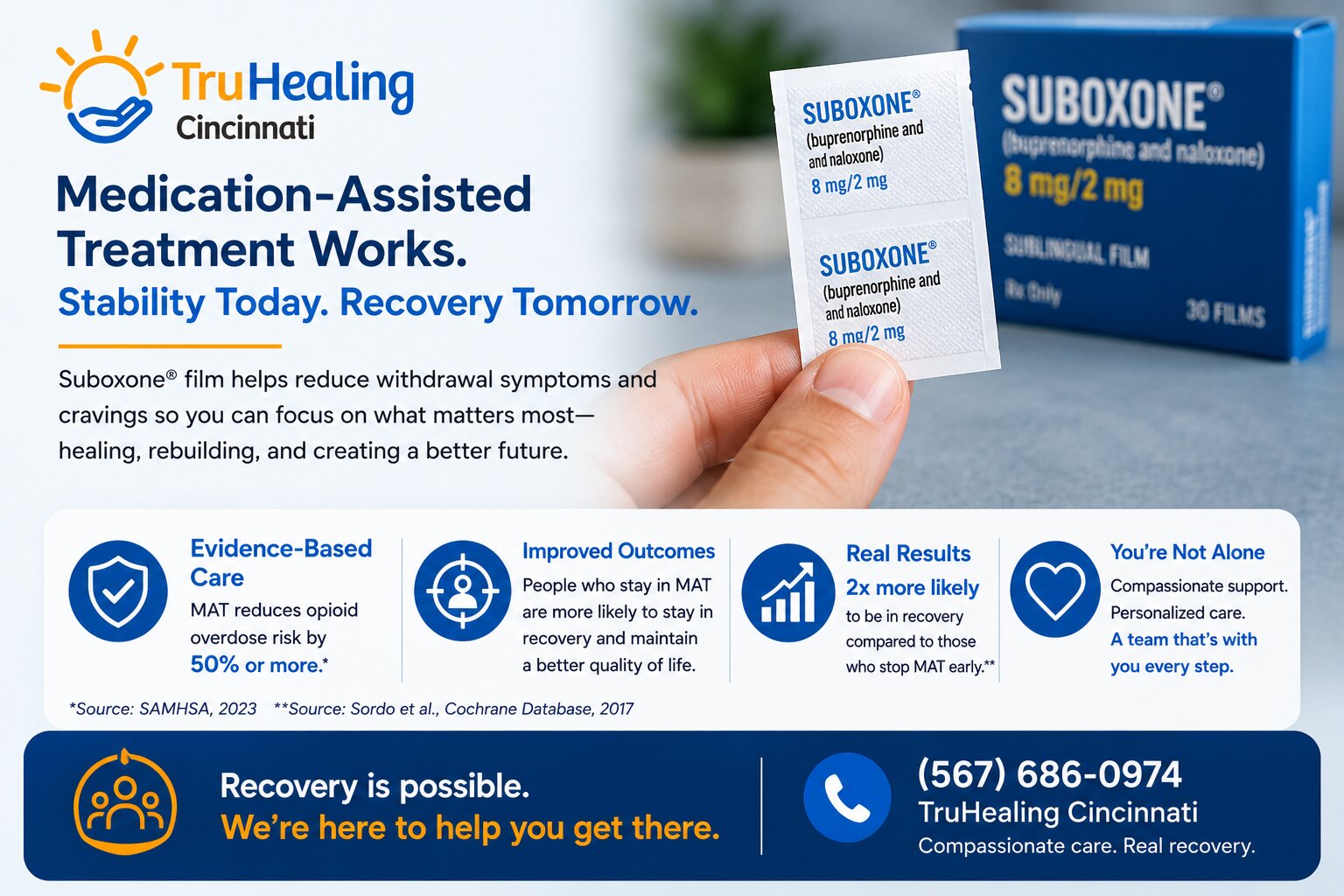
The medication commonly known as Suboxone comes in a thin, dissolvable strip that is placed under the tongue. It contains two medications:
- Buprenorphine, a partial opioid agonist
- Naloxone, an opioid antagonist
Together, these medications help treat opioid use disorder while lowering the risk of misuse.
Buprenorphine attaches to the same opioid receptors affected by drugs such as heroin, fentanyl, oxycodone, or morphine. However, it activates those receptors much less intensely than full opioids do. This helps reduce withdrawal symptoms and cravings without producing the same level of intoxication.
Naloxone remains largely inactive when the medication is taken correctly under the tongue. Its primary purpose is to discourage misuse by triggering withdrawal if someone attempts to inject the medication.
For many people, this medication becomes one part of a comprehensive recovery plan that also includes therapy, medical care, peer support, and relapse prevention.
How to Take It Correctly
Taking the medication exactly as prescribed helps it work effectively.
General instructions include:
- Wash your hands before handling the strip.
- Place the strip under your tongue.
- Allow it to dissolve completely.
- Avoid chewing, swallowing, or moving it around.
- Wait until it has fully dissolved before eating or drinking.
Depending on your prescribed dose, your provider may instruct you to place more than one strip under your tongue or in different locations beneath the tongue.
What Not to Do
To help the medication work properly:
- Do not chew the strip.
- Do not swallow it whole.
- Do not cut doses unless instructed.
- Do not eat or drink until it dissolves.
- Never take someone else’s medication.
- Never change your dose without speaking with your provider.
If you accidentally miss a dose, follow your prescribing clinician’s instructions rather than doubling the next dose.
How It Works in Your Body
Many people wonder how medication can reduce cravings without causing the same problems as opioids.
The answer lies in how buprenorphine interacts with opioid receptors.
It Reduces Withdrawal Symptoms
When someone stops using opioids, the brain reacts because it has adapted to their presence.
Withdrawal symptoms may include:
- Muscle aches
- Sweating
- Anxiety
- Restlessness
- Nausea
- Insomnia
- Strong cravings
Buprenorphine partially activates opioid receptors, helping relieve these symptoms while allowing the brain to gradually stabilize.
It Helps Control Cravings
Cravings can continue long after withdrawal ends.
By occupying opioid receptors for an extended period, buprenorphine helps reduce many of the intense cravings that often lead to relapse.
This stability allows many people to:
- Return to work
- Rebuild family relationships
- Participate in counseling
- Develop healthier routines
- Focus on long-term recovery goals
It Has a Ceiling Effect
Unlike full opioid agonists, buprenorphine has what’s known as a ceiling effect.
After a certain dose, increasing the amount produces little additional opioid effect. This characteristic lowers the risk of respiratory depression compared with full opioid agonists, although the medication should still be taken exactly as prescribed.
What to Expect During Medication-Assisted Treatment at TruHealing Cincinnati
Medication is only one part of recovery.
At TruHealing Cincinnati, MAT is designed to support the whole person—not simply manage withdrawal symptoms.
While every treatment plan is individualized, many patients can expect:
A Medical Evaluation
Treatment begins with a comprehensive assessment of:
- Opioid use history
- Physical health
- Mental health
- Current medications
- Recovery goals
This information helps determine whether MAT is an appropriate option.
Careful Medication Induction
The first dose is carefully timed.
Starting buprenorphine too soon after recent opioid use can trigger precipitated withdrawal. Your medical team provides guidance on when it’s safest to begin medication.
Ongoing Monitoring
During treatment, providers monitor:
- Symptom relief
- Cravings
- Side effects
- Dose effectiveness
- Overall recovery progress
Medication adjustments may occur over time based on individual needs.
Counseling and Behavioral Therapy
Medication addresses the physical aspects of opioid dependence.
Therapy helps address:
- Stress management
- Trauma
- Depression or anxiety
- Relationship challenges
- Coping skills
- Relapse prevention
Combining medication with behavioral health support is associated with better long-term outcomes than medication alone.
Recovery Is About Stability
Many people are surprised that life during MAT often becomes more predictable.
Rather than spending each day focused on obtaining opioids or avoiding withdrawal, patients frequently report having more energy to focus on work, family, hobbies, and personal goals.
Recovery doesn’t happen overnight, but many people find that medication provides the stability needed to begin rebuilding their lives.
Common Questions About This Medication
Will I Feel High?
When taken as prescribed, most people do not experience the intense euphoria associated with opioids.
Instead, many describe feeling:
- Normal
- Stable
- Able to think clearly
- Less preoccupied with cravings
The goal is not intoxication—it’s recovery.
Can I Drive?
Many people are able to drive safely once they are stabilized on their prescribed dose.
However, you should avoid driving until you know how the medication affects you and follow your provider’s recommendations.
Can I Drink Alcohol?
Alcohol should generally be avoided while taking buprenorphine unless your healthcare provider specifically advises otherwise.
Combining alcohol with medications that affect the central nervous system can increase the risk of dangerous sedation and respiratory depression.
Is It Safe Long-Term?
For many individuals, yes.
Research has consistently shown that remaining on MAT significantly reduces the risk of opioid relapse and overdose compared with stopping treatment prematurely.
The appropriate treatment duration varies from person to person.
Recovery Looks Different for Everyone
One of the biggest misconceptions about medication-assisted treatment is that taking medication means someone isn’t “really” in recovery.
Medical organizations across the United States recognize MAT as an evidence-based treatment for opioid use disorder.
Recovery isn’t defined by whether someone takes medication.
It’s reflected in meaningful changes such as:
- Improved health
- Greater stability
- Stronger relationships
- Returning to work or school
- Reduced overdose risk
- Better quality of life
For many people, medication provides the foundation that makes those changes possible.
Frequently Asked Questions
How does Suboxone film work?
It contains buprenorphine, which partially activates opioid receptors to reduce withdrawal symptoms and cravings, and naloxone, which discourages misuse. Together, they help support recovery while lowering the risk of relapse when used as part of a comprehensive treatment plan.
What are the side effects?
Common side effects may include headache, constipation, nausea, dry mouth, sweating, sleep disturbances, dizziness, or mild fatigue. Most side effects improve as your body adjusts, but any severe or persistent symptoms should be discussed with your healthcare provider.
How long will I be on it?
There is no standard timeline. Some people take medication for several months, while others benefit from longer-term treatment. The decision to continue or gradually taper medication should always be made with your treatment provider based on your recovery progress, overall health, and individual needs.
Begin Recovery with Support That Meets You Where You Are
Starting medication-assisted treatment can feel overwhelming, but you don’t have to navigate it alone. With compassionate medical care, counseling, and ongoing support, recovery becomes about more than managing withdrawal—it becomes about creating a healthier, more stable future.
If you or someone you love is living with opioid use disorder, TruHealing Cincinnati’s Medication-Assisted Treatment program can help you take the next step with confidence and individualized care. Call (513) 429-7900 today to speak with a member of our team. From Lawrenceburg to Lexington, Springfield to Louisville, TruHealing is proud to offer programs that carry forward that same supportive approach.