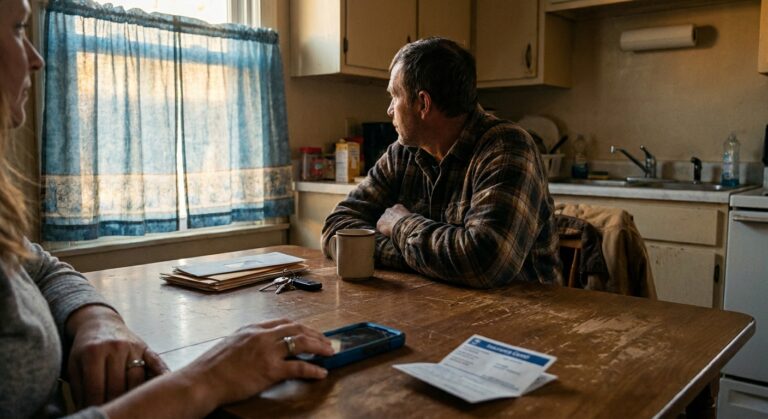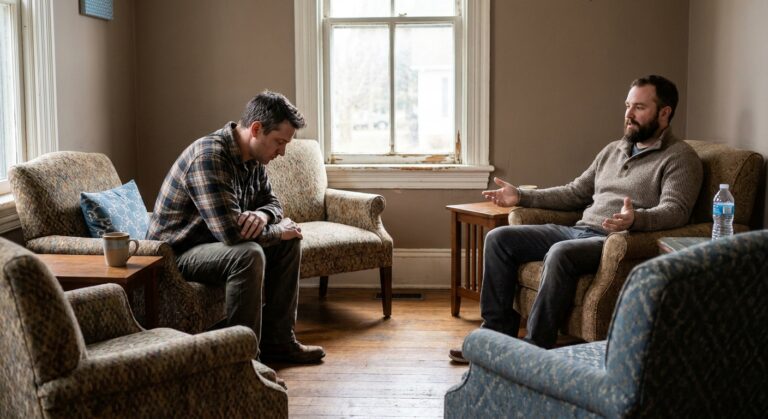
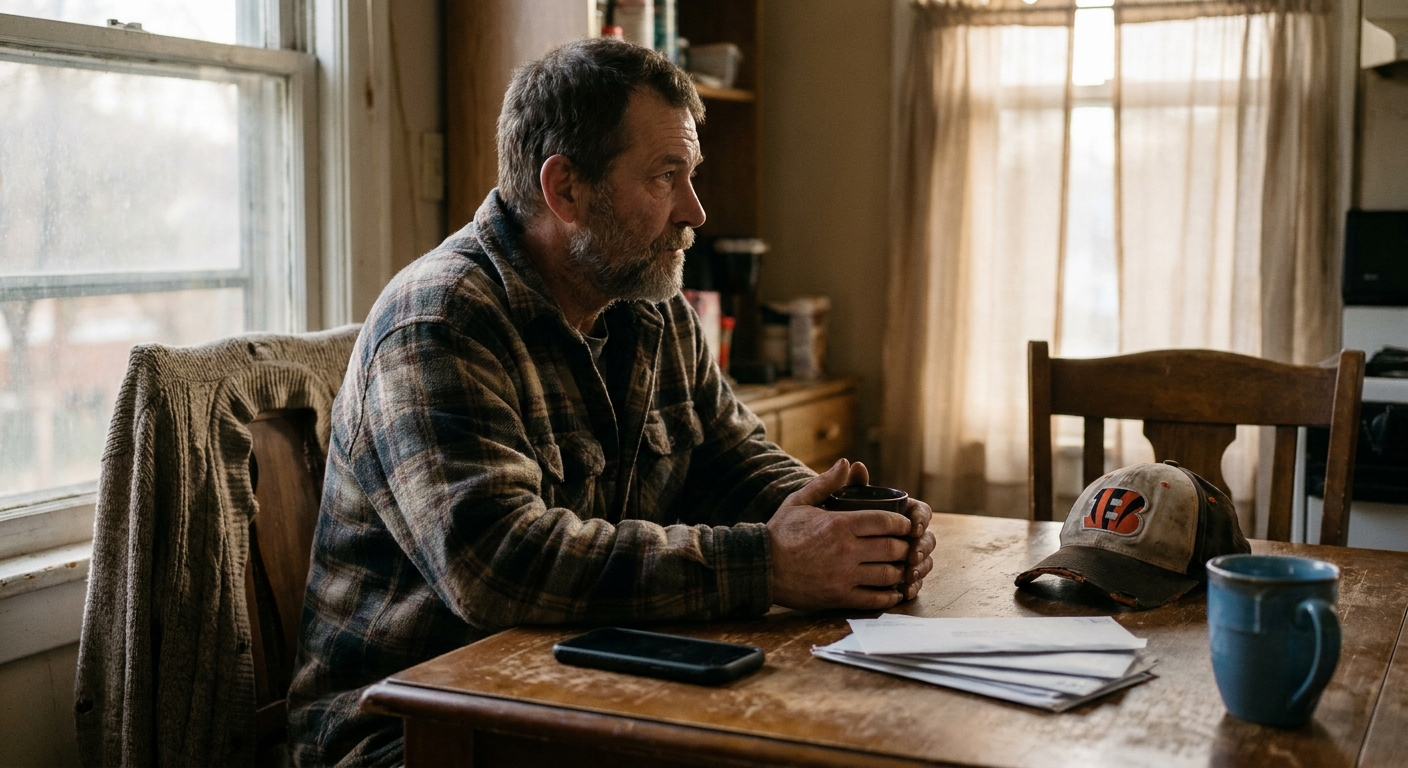
Most people who search for the worst mental disorder expect a ranked list with a clear winner. The real question underneath is usually simpler: is what this man is facing serious enough to need help, and is support available? If you typed “what are the top 3 worst mental disorders?” into your phone after another night lying awake worrying about your son, you’re not really looking for a scoreboard, right? You want to know whether the drinking, the pills, the short temper, and the long silences are part of something bigger, and whether anybody in Cincinnati, OH, knows how to help a man carry it.
This guide gives you a straight answer. It names three conditions that are hard for a man to carry alone and shows how each one tends to tangle with alcohol and drug use. Then it walks you through what treatment looks like at TruHealing Cincinnati, a men’s addiction and mental health treatment center, from the first phone call through the first few days.
If he is in danger right now, stop reading and call 911. If he is talking about suicide, or if you are in an emotional crisis yourself, call or text 988 to reach the 988 Suicide and Crisis Lifeline. It answers any hour of the day.
What Are the Top 3 Worst Mental Disorders, and Why Is There No Official Ranking?
There is no official worst mental disorder. “Worst” is not a clinical category, and no diagnostic system ranks one person’s suffering above another’s. The three conditions most often described as hardest to carry alone, especially alongside substance use, are major depression, PTSD, and bipolar disorder.
That answer can feel unsatisfying when you’re scared, so here is why it’s the honest one. The World Health Organization describes mental health as a complex continuum that each person experiences differently, with different levels of difficulty and distress. Two men with the same diagnosis can live very different lives with it. A “mild” condition in a man who drinks heavily every day and hides it from everyone can be more dangerous than a “severe” one in a man who is getting steady care.
Researchers do measure illness across whole populations. Studies such as a systematic analysis for the Global Burden of Disease Study 2023 track how much disability different conditions cause around the world. That work matters for public health planning, but it can’t tell you how heavy the weight is for one man sitting at your kitchen table.
So this list doesn’t rank suffering. It looks at what makes a condition hard to carry alone:
- Depression drains the energy a man needs to ask for help.
- Trauma can teach him that letting his guard down isn’t safe.
- Bipolar disorder can swing his judgment in ways he may not see while it’s happening.
Each one can get heavier when alcohol or drugs are used to manage it, and each one is easier to hide than most families think. The third section below also covers anxiety. TruHealing Cincinnati screens every man for mental health concerns at intake, and anxiety sitting under substance use is one of the things that can change his treatment plan.
The team at TruHealing Cincinnati sees one pattern often: men struggle in silence because they’re afraid to ask for help. Many of the men who end up in treatment weren’t the ones who searched for it first. A mother, a wife, a partner, or a grown son did. If that’s you, you’re not overreacting by asking the question. You also don’t need to know the right diagnosis before you pick up the phone. That’s what the assessment is for, and the benefits check that comes before it needs only his name, date of birth, and member ID.
1. Major Depression: The Condition Men Hide Behind Work and Family Roles
Major depression in men often looks less like sadness and more like anger, exhaustion, numbness, and heavier drinking, which is one reason it can get missed. Treating only the substance use may leave the depression untouched, so care can look at both.
Cincinnati is a strong working-class city, and the men here tend to see themselves as providers and protectors. TruHealing Cincinnati was built around that reality. When a man believes his job is to hold everyone else up, depression doesn’t always show up as tears. It can look like:
- picking up every overtime shift so he never has to sit still
- snapping at the kids over small things
- sleeping too much, or barely at all
- losing interest in the things he used to love
- a couple of beers after work turning into a lot more than a couple
From the outside it can look like stress. From the inside it can feel like a gray weight he can’t name, and he may believe that naming it would make him less of a man.
Alcohol and drugs can fit right into that silence. A man may drink to sleep, use to get through a shift, or take pills to feel nothing at all, and for a little while it may seem to work. Then the hangovers, the withdrawal, and the guilt and shame can pile up, the low mood can deepen, and he may use more to get out from under it. That loop is one reason stopping the substance by itself doesn’t always hold, you know? A man can get through withdrawal and go home, but if the depression that was driving the drinking is still there, the reason he picked it up in the first place may be there too.
That’s why TruHealing Cincinnati’s intake looks for what’s underneath the substance use, not just the substance use. When depression or anxiety shows up beneath a man’s drinking or drug use, he moves from a detox-only track to integrated dual-diagnosis care. His therapist starts working with him using dialectical behavior therapy (DBT) alongside his medical detox. DBT teaches practical skills for handling painful emotions, getting through hard moments, and keeping relationships steady. Starting early means he can begin building those skills while his body is still stabilizing.
The hardest part is often getting a man to believe therapy is for him at all. TruHealing Cincinnati’s clinicians regularly work with men who walk in doubtful it will help. One man, whose identifying details are left out to protect his privacy, had been told growing up that therapy is for “weak” people. His clinician didn’t argue with him. The clinician explored where that belief came from, explained how therapy works and what to expect, and let him get comfortable before anybody asked him to “do it right.” The team starts by understanding why a man believes therapy won’t work. It could be stigma, a bad experience with a past therapist, low motivation, or simply never being told what therapy is. Building rapport starts from there.
If the depression has gotten to the point where your son talks about not wanting to be here, or about hurting himself, don’t wait on a treatment decision. Call or text 988. If he is in immediate danger, call 911.
2. PTSD and Trauma: Why Substance Use Often Starts as a Way to Cope
For many men, drinking or drug use starts as a way to quiet trauma symptoms like nightmares, flashbacks, and feeling on edge all the time. Treatment often focuses on the trauma directly, in a setting where a man may feel safe enough to drop his guard.
Post-traumatic stress disorder can follow any event that left a man feeling that his life, or someone else’s, was in danger. That could be combat, a car wreck, a violent childhood, an assault, a bad workplace accident, or losing a friend to an overdose. Common signs include:
- reliving the event through memories or nightmares
- avoiding the people and places that bring it back
- feeling jumpy or always on guard
- trouble sleeping
- sudden anger
Many men never connect those symptoms to what happened. They just know the drinking takes the edge off and the pills let them sleep.
That’s often where the substance use begins: as a coping tool that seems to work at first. The trouble is that alcohol and drugs don’t resolve trauma. They push it down the road, and in the meantime the guilt and shame can keep building. TruHealing Cincinnati’s team has seen how heavy that can get. One man in treatment, whose identifying details are withheld for privacy, was carrying so much guilt and shame that he couldn’t focus on the group topics at all. The team didn’t push him through a lesson plan that wasn’t reaching him. The clinical team came together, weighed the needs of every man in the group, and changed that week’s material to fit what he needed.
At TruHealing Cincinnati, trauma isn’t an afterthought. A trauma screen is one of the four parts of intake, so it’s on the table from day one. Everything at the facility, from emotional recognition therapies to trauma therapies, is built from a male perspective, with the aim of helping men learn to handle and regulate their emotions. As the team describes it, men here can shed that armor and work on these issues without fear of judgment.
The evidence-based care TruHealing Cincinnati offers for trauma, mental health, and substance use includes:
- EMDR therapy (eye movement desensitization and reprocessing), which is designed to help the brain process traumatic memories
- Trauma therapy, focused on the experiences underneath the use
- Cognitive behavioral therapy (CBT), which helps a man spot and change the thought patterns that feed his drinking or drug use
- Dialectical behavior therapy (DBT), for emotional regulation and getting through distress
- Individual counseling with his own therapist
- Group counseling with other men working through similar struggles
- Family programming, so the people at home understand what he’s working on
This care runs through two dedicated tracks, Men’s Mental Health Treatment and Men’s Addiction Treatment, both for adult men 18 and older. TruHealing Cincinnati is an all-male facility, and for many men, that is what makes it feel possible to talk about what happened.
3. Bipolar Disorder, and the Anxiety That Hides Under Substance Use
Bipolar disorder rounds out most lists of the hardest conditions to live with, and anxiety is one of the most common conditions hiding under substance use. With either one, ask before choosing care whether the program screens for and treats mental health itself, not just withdrawal.
Bipolar disorder involves episodes of depression and episodes of mania or hypomania. Those are stretches of unusually high energy, little need for sleep, racing thoughts, and risky decisions. Alcohol and drugs can blur those swings and make them harder to spot, both for the man and for the people who love him. If your son has a bipolar diagnosis, or you think he might, ask the TruHealing Cincinnati admissions team directly whether his situation is a fit. Some men need a hospital or a specialized psychiatric setting first, and an honest admissions conversation should address that.
Anxiety is easier to brush off in men. It gets called being “wired,” “a worrier,” or “high-strung,” and a lot of men have learned that a few drinks or a pill quiets it fast. The catch is that withdrawal from alcohol and many drugs produces its own anxiety: a racing heart, sweating, and restlessness. So a man can end up using to treat the anxiety his last round of use created. When TruHealing Cincinnati finds anxiety under a man’s substance use at intake, the same shift happens as with depression, and he moves from a detox-only track to integrated dual-diagnosis care.
The team also watches for anxiety in physical ways. During daily group check-ins, clinicians notice:
- bouncing legs
- a man who can’t sit still
- a man who can’t look someone in the eye
- rushed speech
If what he says about how he feels doesn’t match what his body is showing, his clinician will respectfully challenge him to be honest about what he actually needs. It’s not a gotcha. It’s how the team works past “I’m fine” to the real work.
On the mental health side, therapists at TruHealing Cincinnati do in-depth psych assessments along with genetic testing that looks at how a man’s genes may affect the way his body responds to certain medications. That testing is part of mental health treatment, not part of detox. Together with the psych assessment, it helps the team build a personalized treatment plan.
Whatever the condition, a few questions will tell you a lot about any program before you commit:
- Does the intake screen for mental health and trauma, or only for substance use?
- Does a medical provider decide whether he needs detox?
- Will one clinical team treat his mental health and his addiction at the same time, or does one wait until the other is done?
- How will they check his insurance benefits, and what will you owe before he walks in the door?
How Does Dual-Diagnosis Treatment Work for a Man in Cincinnati, OH?
Dual-diagnosis treatment means one team treats a man’s mental health and his substance use together, rather than one after the other. At TruHealing Cincinnati, the conditions treated include:
- depression and anxiety
- trauma and PTSD
- alcohol addiction
- opioid, opiate, and heroin addiction
- cocaine and meth addiction
- prescription drug and painkiller addiction
For many families, the biggest relief is learning they don’t have to choose between “fix the drinking” and “fix the depression.” The team’s view is that substance use treatment is mental health treatment. The only caveat is that a period of detox often has to happen first, before the deeper work can really begin, and that work happens right alongside it rather than waiting its turn.
Here’s what the first 72 hours look like. When a man arrives, the team runs four screenings:
- A full biopsychosocial assessment, covering his history, health, family, work, and life circumstances
- A trauma screen
- A mental health screen
- A full substance use screen
The clinical team builds his individualized treatment plan in that same session, so he isn’t left waiting for days to find out what comes next. The medical provider and nursing staff decide whether he needs detox. If he does, detox comes first, because treating physical withdrawal right away supports his safety and gives the team a baseline for targeted clinical care.
Detox doesn’t mean his mental health gets put on hold. Clinicians watch his mental health throughout detox, and if he shows symptoms that look like untreated mental illness, they bring it to the medical provider so medication can be considered. When he leaves detox is a medical decision based on his physical care, not on his mental health. If depression or anxiety showed up at intake, his therapist is already working with him using DBT while the medical detox continues.
A lot of men arrive scared. Going to treatment for the first time, or even the third time, can be frightening, and the prospect of change isn’t something most people are big fans of. That’s normal. That being said, you’re at a fork in the road when you come to treatment. When a man at TruHealing Cincinnati arrives scared or ready to walk out, he’s connected with his therapist right away, so someone with the experience to walk him through those emotions is in the room before he makes a decision he can’t take back. The team doesn’t use one script for this, because people come in scared for different reasons. They work to understand what’s driving that particular man’s fear and respond to him.
Many men also expect a hospital, where they’ll have little control and few freedoms. TruHealing Cincinnati is not that. What a man gives up is the freedom to keep tearing his life apart. Treatment is work, and a long day of looking inward can leave him tired and spiritually drained, so the facility gives him ways to recharge:
- a workout facility
- an arcade and a movie theater
- a hot tub, a cold plunge, and a red light sauna
- a TV in every room
The point is simple: rest tonight so he can be ready for day two.
From there, the work happens every day inside a supportive healing community. Each man checks in during group and rates two things on a scale of 1 to 10: his cravings (10 is the strongest) and how stable he feels (10 is the best he’s felt). Clinicians compare those numbers with what they see in his behavior and body language. Twice a week, the clinical, nursing, and case management staff meet to review each man’s progress, barriers, and next steps. If his check-ins and his behavior don’t line up, he stays at his current level of care until that gets resolved.
The clinical team is made up of master level clinicians with master level Social Work and Counselor licensure, along with an ART certified counselor. The staff-to-client ratio runs high compared with typical programs, so a man isn’t just a name on a roster.
What Should You Do in a Mental Health Crisis in Cincinnati?
If he is in immediate danger, call 911. If he is suicidal or in emotional crisis, call or text 988, any time of day or night.
Start with the emergency, because nothing else matters until he’s breathing. If you think he may have overdosed, do these things in this order:
- Call 911.
- Check whether he’s breathing, and look at the color of his lips and nail beds. Blue or gray is a warning sign.
- If you have Narcan (naloxone), give it.
- If you don’t have Narcan, start CPR.
- Give EMS the exact address where he is.
If you call TruHealing Cincinnati in that moment, the intake rep focuses on the same things. The rep asks about his breathing and color, walks you through giving Narcan or starting CPR, gets the address so an ambulance can get on the way, and keeps your callback number so the team can follow up. The team calls this approach Stabilize-Locate-Follow, and it isn’t a sales pitch. Treatment comes up only after he’s safe, because, as the team puts it, you can’t recover if you’re not alive.
What Can a Worried Parent or Partner Do When He Says “Not Yet”?
Keep the door open. Stay supportive, set healthy boundaries, don’t fund or excuse his use, and keep checking in when he says “not yet.”
TruHealing Cincinnati’s advice to families surprises a lot of people: tough love does not always work. What tends to help more is a supportive, loving approach with healthy boundaries, and without enabling continued use. In practice, that might mean:
- not handing over cash
- not covering for him when he misses work
- telling him plainly that you love him and that you’ll help him get to treatment the minute he’s ready
Every family is different, and the admissions team will walk you through how to set boundaries that fit yours.
When he says “not yet,” the urge is to pull away, and that’s the one thing the team asks you not to do. Cutting off communication can make a man feel like a number instead of a person. Keep checking in, keep it consistent, and let him have a say in his own process. TruHealing Cincinnati’s admissions staff have stayed in touch with men for months, sometimes years, before those men were ready. Sometimes a man has to try it his way first, like going to a meeting on his own, and then withdrawal gets in the way of quitting at home and he calls back ready for detox. When that happens, the team’s response is that it’s okay, he’s human, and now they help him take the next step.
In the team’s experience, a few things can help move a man forward:
- feeling heard, valued, and appreciated
- having someone weigh both sides with him honestly
- having as many barriers removed as possible
- being reminded, again and again, that he deserves recovery and that his kids and his family deserve it too
Take it one day at a time. And if your own fear or exhaustion gets to be too much, 988 is there for you as well.
What Levels of Care, Costs, and Insurance Should You Know About Before Calling?
TruHealing Cincinnati provides medical detox, residential treatment, and intensive outpatient care for adult men 18 and older, and it bills out-of-network benefits for a list of commercial insurance carriers. It does not accept Medicaid or Medicare.
TruHealing Cincinnati is in Cincinnati, OH 45249, and it serves men from Cincinnati and the surrounding region, including Lawrenceburg, Lexington, and Louisville, KY, Springfield, OH, and Indianapolis. Here’s how the main levels of mental health and addiction care compare, so you can see where your son might fit:
| Level of care | What it is | Who it tends to suit | At TruHealing Cincinnati |
|---|---|---|---|
| Inpatient hospital psychiatric care | Short-term hospital care for immediate danger | A man at risk of harming himself or others, or having a medical emergency | Not a hospital; call 911 or go to the nearest emergency room |
| Medical detox | Medically supervised care through withdrawal | A man who may face severe or dangerous withdrawal from alcohol, opioids, or other drugs | Provided; the medical provider and nursing decide if he needs it |
| Residential treatment | Living on-site with daily therapy and structure | A man who can’t stay safe or stable at home, or who has tried on his own without lasting change | Provided, with dual-diagnosis care for men 18+ |
| Intensive outpatient (IOP) | Several hours of therapy a few days a week while living at home | A man with a stable, substance-free home who doesn’t need 24-hour structure | Provided for men 18+ |
| Outpatient therapy | Regular sessions with a therapist or psychiatrist | A man who is stable and needs ongoing support | Not provided here |
Families often ask how to tell whether IOP is enough or whether he needs residential care. There is no one size fits all, and the assessment makes the final call, but here’s a rough guide.
IOP may fit a man who:
- has a safe, stable home without drugs or alcohol in it
- isn’t at risk of dangerous withdrawal, or has already finished detox
- can keep himself safe between sessions
- has people at home who can support him day to day
Residential care may fit a man who:
- needs medical detox first
- has tried to stop on his own, or in less structured care, and keeps ending up back where he started
- is living somewhere that makes using easy, or with people who are still using
- is carrying depression, trauma, or anxiety heavy enough that he needs daily therapy and round-the-clock support
On insurance, here’s the honest picture. TruHealing Cincinnati is fully out of network, with no in-network contracts. It bills out-of-network benefits for these carriers, and more may be added:
- Aetna
- Allied
- Blue Cross Blue Shield
- Cigna
- Custom Design Benefits
- Frontpath
- GEHA
- Harvard Pilgrim
- Surest
- UHSS
- UMR
- UnitedHealthcare
If his plan isn’t on this list, the benefits check will tell you where he stands.
Philip Wilson, TruHealing Cincinnati’s director of admissions, handles benefit verification and has done this work for more than five years. He needs only a name, date of birth, and member ID to pull the benefits. He’ll explain the out-of-network deductible and out-of-pocket amounts, which are often larger than in-network amounts. Because the facility is out of network, nothing is collected upfront. He’ll also explain what’s different about the facility: private rooms, higher quality food, a lower patient census, and a high staff-to-client ratio. Then you and your son make the decision.
Two more things are worth knowing. First, young men between 20 and 26 are sometimes still on a parent’s plan without realizing it, and the admissions team can check those benefits too. Second, federal parity law generally says that when a health plan covers mental health and substance use care, it can’t make those benefits more restrictive than its medical and surgical benefits, according to CMS. That law doesn’t guarantee any plan pays for any particular program, and it doesn’t speak to out-of-network benefits on its own, which is why a real benefits check matters more than guessing from a summary sheet.
Insurance also sets limits, and the team is upfront about them. Whether a man goes into the mental health level of care or the substance use level of care depends on his use patterns and on what his insurance company will approve him to attend treatment for. For example, a man who uses only marijuana and has no mental health concerns usually can’t be treated there, because insurance won’t pay for it.
If you’re ready to start, the path looks like this:
- If he’s in danger, call 911 or 988 first.
- Call TruHealing Cincinnati at 513-429-7900 and ask for a benefits check.
- Give his name, date of birth, and member ID.
- Hear the out-of-network numbers, then decide together.
- On arrival, he completes the four-part intake, and his plan is built that same session.
Support doesn’t have to end when his stay does. Cincinnati’s recovery community offers a wide range of meetings, from traditional 12-step groups to secular and faith-based alternatives, because there is no one size fits all and what works for one man may not work for the next. The area also has peer support, and TruHealing Cincinnati runs its own alumni program so a man can keep somebody in his corner who has been through similar experiences. For a wider look at programs and options, see this overview of mental health treatment in Cincinnati.
So if you came here asking “what are the top 3 worst mental disorders?”, here’s the part that matters more than any ranking: depression, trauma, bipolar disorder, and anxiety are all conditions for which treatment exists, and no man has to carry them alone. If your son, or any man you love, is facing one of them alongside substance use, you can call TruHealing Cincinnati at 513-429-7900. Ask for a benefits check, then ask for an honest conversation about whether detox and dual-diagnosis care might fit him.
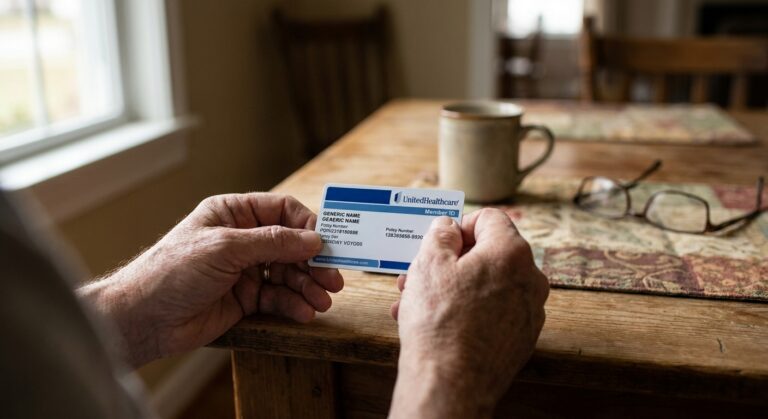
One thing you can do tonight: find his insurance card, and if he’s between 20 and 26, check whether he’s still on your plan. Families are often surprised by what a policy offers once someone reads it with them, and having that member ID ready can turn a scary phone call into a five-minute first step.
You Don’t Have to Carry This Alone
Reading about the heaviest mental health conditions can bring up a quiet question: is what I’m dealing with something I should be able to handle on my own? Many men in Cincinnati, OH wait years to reach out because they believe strength means silence, but asking for help is often the first real act of strength. If any part of this article sounded familiar, or if substance use has become tangled up with how you cope, the team at TruHealing Cincinnati is ready to talk with you about what comes next. Making the call is a simple first step, and it doesn’t commit you to anything beyond a conversation.
Experiences and responses to care vary from person to person; this article is for education only and is not a diagnosis or a substitute for care from a qualified professional. If you’re worried about someone’s safety, call 911, or call or text 988.