If his breathing or color looks wrong, call 911 right now; if he is in emotional pain but breathing normally, call or text 988. Everything else can wait until he is safe.
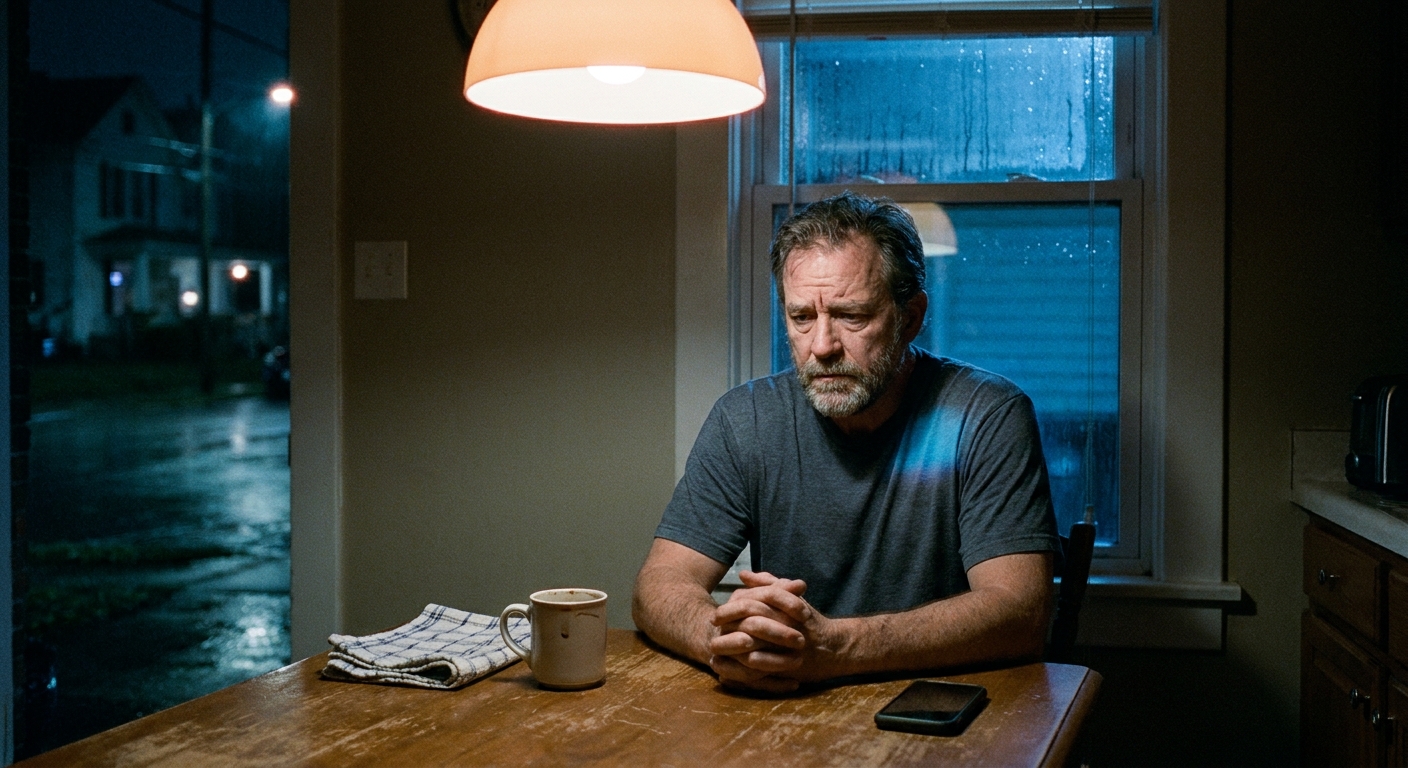
Maybe it is late, he is not making sense, and you cannot tell whether to call 911, call 988, or wait until morning. That’s normal, and you are not the first parent to sit in that kitchen with a phone in your hand and your heart pounding. So if you came here asking what are 10 steps I can take to support individuals facing a mental health crisis, here is the short version: get steady, check for danger, make the right call, stay with him, listen, make his space safer, stay connected, and then walk him toward care that addresses his mental health and his substance use together.
When families call TruHealing Cincinnati in the middle of a crisis, the team works in a set order: safety first, then the conversation, then treatment. This guide follows that same order. You do not have to remember all ten steps at once, you know. You only need the next one.
What Should You Have in Place Before You Start?
Before you start, have three things within reach: a charged phone, the exact address where he is right now, and a clear sense of which kind of crisis you are looking at. An overdose, a suicidal crisis, and emotional distress each need a different first move, and mixing them up costs time you may not have.
| What you are seeing | Kind of crisis | Your first move |
|---|---|---|
| Slow, gurgling, or no breathing, blue or gray lips or nail beds, you cannot wake him | Possible overdose | Call 911, check his breathing, give Narcan if you have it |
| He talks about dying, has a plan, or has a weapon or pills in reach | Suicidal crisis | Call 911 if the danger is right now; otherwise call or text 988 and stay with him |
| Panic, despair, crying he cannot stop, confused talk, but he is breathing normally and has no plan to hurt himself | Emotional distress | Call or text 988 |
The address sounds like a small thing, right, but under stress it is the detail people forget. If you are on the phone with a dispatcher or a TruHealing Cincinnati intake rep and the call drops, the address is what gets an ambulance to the right door. Type it into your phone notes now, along with any medications he takes and anything you know he used tonight.
It also helps to understand why he may have hidden this from you for so long. TruHealing Cincinnati describes Cincinnati as a strong working-class city, and the men who walk through its doors are often the providers and protectors of their families. Many of those men struggle in silence because they are afraid to ask for help and afraid of being judged. So what you are seeing tonight may have been building quietly for months. As scary as it is, the fact that it is out in the open now may be the first crack in the armor.
Here is what you can realistically expect if you follow these steps. The goal is that he is safe tonight and, once he is safe, connected to care that addresses his mental health and his substance use together. No guide and no program can promise how a crisis will end. These steps are meant to help lower risk and shorten the time between “something is wrong” and “somebody is helping.”
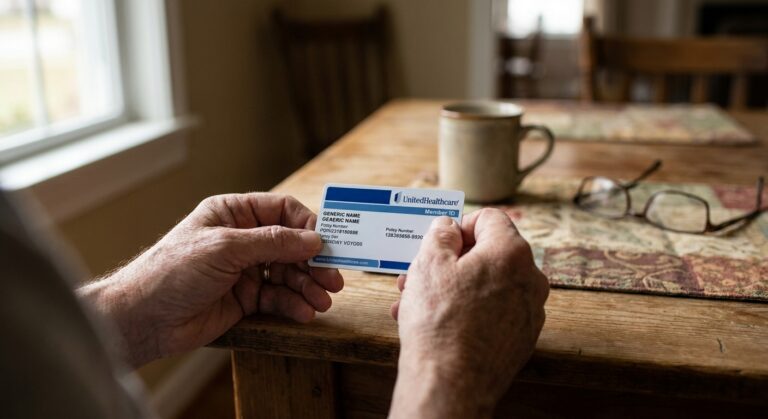
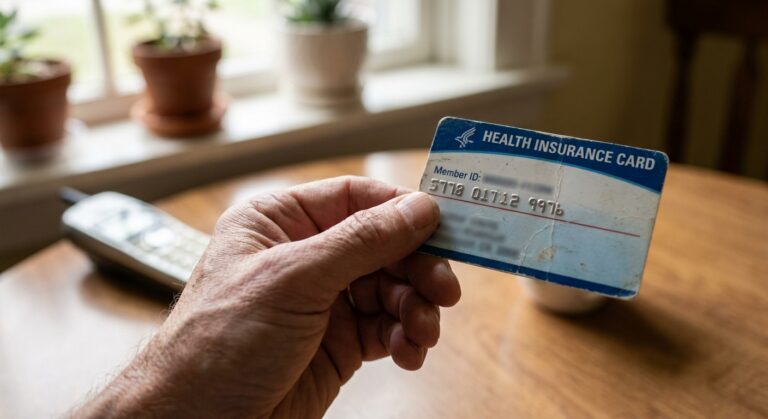
One last thing to have on hand, though only after he is safe: his insurance card. If treatment ends up on the table, a benefits check at TruHealing Cincinnati takes only his name, date of birth, and member ID.
Step 1 and Step 2: How Do You Stay Calm and Check for Immediate Danger?
Step 1 is to steady yourself so you can think clearly, and Step 2 is to look for immediate danger: a weapon, a stated plan to hurt himself, signs of an overdose, or trouble breathing. Nothing about treatment matters until you have ruled those out.
Step 1: Steady yourself first. You are scared, and that’s normal. That being said, he may pick up on your energy, so take one slow breath before you speak and lower your voice. Turn off the TV, ask anyone who is yelling to step out, and let one person do the talking. Short, simple words can help: “I’m here. I’m not going anywhere. Are you hurt?” You do not need the perfect words. You need a room calm enough that you can actually see what is going on.
Step 2: Check for immediate danger. When a family calls TruHealing Cincinnati worried about an overdose, the intake rep asks a few plain questions before anything else: Is he breathing? What color is he turning? What color are his lips and nail beds? Blue or gray lips or fingertips, breathing that sounds like gurgling or snoring, or breathing that has stopped all point to a medical emergency. Then look past his body to his surroundings. Is there a gun in the house, a bottle of pills on the counter, a knife in his hand? Has he said how he would hurt himself?
The TruHealing Cincinnati team puts it bluntly: you can’t recover if you’re not alive. That is why its reps do not talk about admission, cost, or programs while a man might be overdosing. Say he is slumped on the couch, you cannot wake him, and you are not sure if he took something. That is not the moment to ask what kind of help he needs long term. That is the moment for Step 3.
Step 3 and Step 4: When Do You Call 988 or 911, and What Do You Do Until Help Arrives?
Call 911 for immediate danger, such as a possible overdose, trouble breathing, a weapon, or self-harm that is already happening. Call or text 988 for an emotional crisis or suicidal thoughts when there is no immediate physical danger, and in either case, stay with him until help arrives.
Step 3: Make the right call. The 988 Suicide & Crisis Lifeline is free. You can call or text 988 any time of day or night, and it connects you with a trained crisis counselor. You can call it for him, with him, or for yourself when you do not know what to do next. 911 is for the moment his body or his life is in danger right now, and if you are torn between the two, call 911. Hamilton County also runs its own crisis services, but crisis numbers change, so check the county’s current listing rather than trusting a number you saw once. In the moment, 988 or 911 can connect you.
Step 4: Stay with him until help arrives. When a TruHealing Cincinnati rep takes an overdose call, they ask whether you have Narcan. If you do, they walk you through giving it. If you do not, they have you start CPR. They get the address so EMS can be called and an ambulance can get moving, and they keep your callback number so they can follow back up and check on his safety. The team is clear that a call like that is not a sales pitch. The only priority is getting him through the night.
While you wait, unlock the front door, turn on the porch light, and put pets in another room. Do whatever the dispatcher tells you, and do not leave him alone. Gather his pill bottles or anything he may have taken so the paramedics can see it. If you gave Narcan, tell EMS when, because it can wear off before the drug does. Once paramedics take over, let them do their work. The conversation about what comes next can happen tomorrow, and if you called TruHealing Cincinnati, somebody will be following up with you.
Step 5 through Step 7: How Do You Listen, Keep Him Safe, and Stay Connected When He Says ‘Not Yet’?
Once the immediate danger has passed, the work shifts from emergency to connection. Listen more than you talk, make the space around him safer, and if he says “not yet” to help, keep showing up with steady check-ins and healthy boundaries instead of cutting him off. Some men say yes the first night. Many take longer.
Step 5: Listen without judging. Sit at his level, let him talk, and repeat back what you hear: “It sounds like you feel like you’ve let everybody down.” If you are worried about suicide, ask him directly: “Are you thinking about killing yourself?” Asking does not put the idea in his head. Crisis guides like the Guide for a Mental Health Crisis from Texas Health and Human Services encourage calm, direct, nonjudgmental conversation. Watch for warning signs such as talking about wanting to die or being a burden, looking for a way to hurt himself, giving away things that matter to him, saying goodbye, pulling away from everyone, or drinking and using more than usual. Lecturing him about what he did wrong may close the door you are trying to open, and guilt and shame are often already doing that job.
Step 6: Make his space safer. Take guns out of the house or lock them away where he cannot get to them. Lock up medications, including your own, and remove any alcohol and drugs you can find. Once things calm down, write a simple plan together for next time: who to call, what he takes, what has helped before, and what makes things worse. Mental health crisis planning guidance from Georgia’s behavioral health department lays out how to build a plan like that ahead of time, so you are not starting from zero on the next hard night.
Step 7: Stay connected when he says “not yet.” This is the step where families tend to give up, and it is the one TruHealing Cincinnati spends the most time on. The team tells families that tough love does not always work. In their experience, a supportive, loving approach with healthy boundaries, one that does not enable continued use, can be a better fit. A boundary might sound like, “I won’t give you cash, but I will drive you to an assessment any day you’re ready.” The TruHealing Cincinnati admissions team will walk you through how to set boundaries like that and still love him through the process.
What the team asks families not to do is cut off communication. When a man says “not yet” and the phone goes quiet, he may feel like a number instead of a person, and that feeling can push him further away. So keep checking in, consistently, even when he is not ready. Let him have a say in his own process, because you cannot force anybody to make the decision you want them to make. Sometimes he will try it his way first, maybe going to a meeting or switching jobs, and that’s okay, he’s human. The team has seen one man try that, run into withdrawal symptoms that made it too hard to stop at home, and then call back ready for detox. Some of these conversations take months or even years, so take it one day at a time. Keep reminding him that he deserves recovery, his kids deserve it, his family deserves it, and that he has somebody in his corner.
Step 8: Why Does Care for Mental Health and Addiction Need to Happen Together?
Mental health struggles and substance use can feed each other, so treating one and ignoring the other may leave the untreated problem in place to pull him back. Integrated dual-diagnosis care addresses both at the same time, and that is the kind of care to ask about once he is safe.
Think about how it often plays out. A man drinks to quiet anxiety he has never talked about, or he uses to numb depression or old trauma. If a program only gets the substance out of his system, the anxiety may still be there when he goes home, and so may the reason he started using. TruHealing Cincinnati puts it simply: for the team, substance abuse treatment is mental health treatment. The one caveat is that detox has to happen first, so the physical symptoms are treated right away and the clinical team has a stable baseline for targeted care.
At intake, TruHealing Cincinnati runs four screens: a full biopsychosocial assessment, a trauma screen, a mental health screen, and a full substance use screen. The clinical team builds his individualized treatment plan in that same session. If depression or anxiety shows up under the substance use, he moves from a detox-only track into integrated dual-diagnosis care, with a licensed therapist using Dialectical Behavior Therapy (DBT) alongside the medical detox, so the two are addressed together rather than one after the other. As part of the mental health side of his care, therapists also do in-depth psych assessments and genetic testing that is used to help guide medication choices. You can read more about how mental health treatment works at TruHealing Cincinnati for men who need it.
What TruHealing Cincinnati treats and how it treats it:
- Substance use: alcohol, opioids and opiates, heroin, prescription painkillers and other prescription drugs, cocaine, and meth
- Mental health: depression, anxiety, and trauma and PTSD, including when they show up alongside substance use
- Therapies: Cognitive Behavioral Therapy (CBT), DBT, EMDR therapy, trauma therapy, individual counseling, group counseling, and family programming
Who delivers that care matters too. The TruHealing Cincinnati clinical team is made up of master level clinicians, with master level Social Work and Counselor licensure and an ART certified counselor, and the facility keeps a staff-to-client ratio that the team describes as high compared to typical. Therapies are built from the male perspective, from emotional recognition work to trauma therapy, to help men learn to name and regulate their emotions. And because there is no one size fits all, the team adjusts. The clinicians have described one man so weighed down by guilt and shame that he could not focus on group topics. After weighing his needs, the team reworked that week’s curriculum for him.
What Levels of Care Are Available in Cincinnati, and Which One Fits Him?
Care for mental health and substance use comes in levels, from round-the-clock medical support down to a few hours a week. Here is how they compare, and which ones TruHealing Cincinnati provides for adult men.
| Level of care | What it means | At TruHealing Cincinnati |
|---|---|---|
| Medical detox | 24-hour medical care while his body clears alcohol or drugs and withdrawal is managed | Yes |
| Residential (inpatient) care | He lives on site and takes part in a full day of therapy, groups, and structure | Yes |
| Intensive outpatient (IOP) | Several hours of treatment a few days a week while he lives at home | Yes |
| Standard outpatient | Weekly or occasional therapy sessions | Not offered here; the team can talk with you about what may come next |
Which level fits him is not a guess, and it is not only up to your family. At TruHealing Cincinnati, the team decides whether a man belongs in the mental health level of care or the substance use level of care based on his use patterns and on what his insurance company will approve. Whether he needs detox is a medical call made by the medical provider and nursing.
In general, residential care may fit a man who:
- Needs to get through detox safely first
- Has a home that is not safe or stable for early recovery right now
- Has tried to stop on his own, or after earlier treatment, and kept falling back
- Has depression, anxiety, or trauma tangled up with his use that needs daily attention
An intensive outpatient program may fit a man who:
- Is medically stable and past withdrawal
- Has a safe, sober-supportive place to live
- Needs to keep up with work or family while he keeps doing the work
- Is stepping down from a higher level of care and still wants structure
Step 9: What Do the First 72 Hours of Treatment Look Like for Him?
In the first days, detox comes first, with the medical provider and nursing assessing what he needs, while the clinical team screens him and builds his plan. If he arrives scared or ready to leave, he is connected with his therapist right away.
Fear of the unknown keeps a lot of men from walking in, so it helps if you can walk him through what happens. TruHealing Cincinnati is in Cincinnati, OH, and it serves adult men only, including families from Lawrenceburg, Lexington, Louisville, Springfield, and Indianapolis. When he arrives, the screens and the treatment plan happen at intake, detox begins, and the medical provider and nursing team decide when he no longer needs detox services. That call is a medical one, not a guess.
Many men expect a hospital, where they will have little control over their lives and have to give up their freedoms. TruHealing Cincinnati says that is not the case. In the team’s words, what a man gives up is “the freedoms to continue dismantling our lives.” He gets a private room, food the facility describes as higher quality, and a lower patient census. And because treatment is work, and a long day of looking inward can leave him tired, the facility offers ways to recharge: a workout facility, an arcade, a movie theater, a hot tub, a cold plunge, a red light sauna, video games, board games, and TVs in every room.
After those first days, the structure continues. Each man checks in daily in group, rating his emotions, his cravings on a scale of 1 to 10, and how stable he feels on a scale of 1 to 10. Clinical, nursing, and case management meet twice a week to review every client, so no single person is making calls about him alone. If you are worried this will be one more program where he slips through the cracks, those check-ins and reviews are worth paying attention to. They do not guarantee any outcome, but they mean someone is reviewing his care closely, every day.
Step 10: How Do You Check Insurance and Cost Without Pressure?
Ask for a benefits check. At TruHealing Cincinnati, director of admissions Philip Wilson runs it with only his name, date of birth, and member ID, then explains what his plan may pay and what your family may still owe before anyone makes a decision.
Money stalls more crisis decisions than people admit, and it is fair to be afraid of what this will cost. So here is how that first call, and the start of treatment, work at TruHealing Cincinnati:
- You give Philip Wilson three things: his name, his date of birth, and his member ID.
- He pulls the benefits information. Philip has handled benefit verification for more than five years and keeps up with insurance rules that are always changing.
- He explains that TruHealing Cincinnati is out of network, which means the facility does not collect anything upfront.
- If he has out-of-network benefits, Philip walks you through the out-of-network deductible and out-of-pocket amounts. Those are often larger than in-network amounts, and he will tell you so plainly.
- He explains what the stay includes: private rooms, a lower patient census, and a staff-to-client ratio the facility describes as high.
- You and your son decide whether TruHealing Cincinnati is the right fit. There is no pressure and no deadline on the call.
- If he is ready, the team sets up his arrival, and at intake he goes through the four screens that shape his personalized treatment plan.
TruHealing Cincinnati is fully out of network with every insurer and accepts commercial PPO policies through their out-of-network benefits. It does not accept Medicaid or Medicare. If your son is between 20 and 26, check whether he is still on your plan, because the team has found young men who have benefits through a parent and do not know it. Families can also miss the substance use benefits in their plan because insurance paperwork is confusing, and helping you read it is part of the call.
The team is also honest about where insurance draws the line. Whether a man goes into the mental health level of care or the substance use level of care depends on his use patterns and on what his insurance company will approve. For example, TruHealing Cincinnati cannot treat someone who only uses marijuana and has no mental health concerns, because insurance will not cover it. On the broader picture, the federal Mental Health Parity and Addiction Equity Act generally requires plans that cover mental health and substance use care to treat those benefits no more restrictively than medical and surgical benefits, and HealthCare.gov explains that marketplace plans must include mental health and substance use disorder services. Out-of-network benefits still vary by plan, which is exactly why the benefits check matters.
What Do Families Still Ask Before They Pick Up the Phone?
Most families ask about the same five things: which number to call, what to do if he refuses, whether both problems can be addressed together, how insurance works, and what the first days look like. Here are short answers you can come back to.
Should I call 988 or 911 for a mental health crisis? Call 911 for immediate danger, a possible overdose, or trouble breathing. Call or text 988 for an emotional crisis or suicidal thoughts without immediate physical danger.
What do I do if he refuses help? Stay connected with caring check-ins and healthy boundaries, do not enable his use, and let him have a say in his own process. If his life is in danger, call 911.
Can mental health and addiction be treated at the same time? Integrated dual-diagnosis care is designed to address both together, and TruHealing Cincinnati pairs DBT with medical detox when depression or anxiety shows up at intake.
How do I check if insurance will help pay for treatment? A benefits check needs his name, date of birth, and member ID. TruHealing Cincinnati is out of network, nothing is collected upfront, and Medicaid and Medicare are not accepted.
What happens in the first days of treatment? A four-part screening, a treatment plan built in that same session, detox first, and a therapist connection right away if he is scared.
What Are 10 Steps I Can Take to Support Individuals Facing a Mental Health Crisis, and What Result Can You Expect?
If someone asks you what are 10 steps I can take to support individuals facing a mental health crisis, here is the list to give them: steady yourself, check for danger, make the right call, stay with him until help arrives, listen without judging, make his space safer, stay connected when he says “not yet,” look for care that addresses both mental health and substance use, walk him through the first days, and check benefits without pressure. Followed in order, these steps are meant to help support his safety tonight and open a path toward integrated care, though no one can promise how any one man’s recovery will go.
You’re at a fork in the road right now, and it may not feel like you are doing enough. You are doing something that matters. Every check-in, every calm word, every time you kept the door open instead of slamming it may help make room for the night he says yes. The TruHealing Cincinnati team has seen one man call back after weeks of “not yet,” ready to ask how detox works. That is one person’s experience, not a predictable outcome, but it is a reason to keep going.
If things are still unsafe as you read this, stop and act. Call 911 if he is in danger, is not breathing normally, or may have overdosed. Call or text 988 if he is in emotional crisis or talking about suicide, and stay with him.
When he is safe, call TruHealing Cincinnati at 513-429-7900 to ask about detox and residential care for an adult man, and have the admissions team check benefits with just a name, date of birth, and member ID. Tonight, before you sleep, take a photo of his insurance card and save it with the address in your phone notes. That way, when he is ready, you can make that call in five minutes instead of an hour.
You Don’t Have to Handle This Alone
Supporting someone in crisis can leave you wondering whether you’re doing enough or saying the right thing. Even after following these steps, it’s normal to want guidance from people who work with mental health and substance use challenges every day. If someone you care about in Cincinnati, OH needs more support, the team at TruHealing Cincinnati is ready to talk through what comes next, so reach out by phone when you’re ready.
Individual experiences and outcomes vary, and this guide is not a substitute for emergency care or professional medical advice.