
Expertise provided by Savannah Cain, Clinical Director
Dual Diagnosis Treatment in Cincinnati, OH: Treating Addiction and Mental Health Together
He got sober before, but three months later he was using again, and now you are wondering if the depression he never talked about played a role in why the last program did not work the way you hoped. If that sounds like your son, you are already asking an important question. Dual diagnosis treatment in Cincinnati, OH means treating the addiction and the mental health condition side by side, in the same program, so neither one quietly undoes the other. At TruHealing Cincinnati, that is the whole point of how we build a treatment plan. We do not treat the drinking or the drug use as the only problem. We look for what may be underneath it, and we address that too.
What Dual Diagnosis Means: Co-Occurring Disorders Explained
Dual diagnosis, also called co-occurring disorders, means a person has both a substance use disorder and a mental health condition at the same time. Depression, anxiety, PTSD, and bipolar disorder are common examples. Each one can influence the other.
Here is the picture most families miss. When a man drinks in response to his anxiety, or uses to numb his depression, the substance becomes his way of coping. Take the substance away in detox, and the anxiety or depression is often still there. That is why treating only the addiction can appear to work for a few weeks and then become less sustainable. Think of it this way: treating the addiction while leaving the depression unaddressed is like setting a broken leg but never treating the infection that contributed to the fall. The cast comes off, and he may struggle again.
This is the fear that brings most parents to our door. You are not afraid he cannot get sober. He has done that before. You are afraid he will get sober, come home, and return to use in six months because nothing changed on the inside. That fear is understandable, and it reflects real clinical evidence. Research from the National Institutes of Health shows that substance use disorders and mental health conditions frequently occur together, and that some individuals experience improved engagement when both are treated as part of one integrated plan rather than in separate silos.
Dual diagnosis treatment in Cincinnati, OH exists so your son does not have to choose which problem to address first. We treat both, though the order matters, and we will walk you through exactly how we approach the sequencing.
Why Many Men Arrive Not Knowing They Have a Mental Health Condition
Many men walk into treatment convinced they only have an addiction problem. They may not immediately recognize the depression, the anxiety, or the old trauma that may be influencing it. Part of our work is helping them explore what may have been there all along.
Men often struggle in silence. Your son may have spent years telling himself he was fine, that he just liked to drink, that the low moods were normal, that whatever happened to him years ago was no big deal. A lot of the time experiences are so normalized in his own head that he may not identify them as trauma. So when he arrives, he may genuinely believe the substance is the whole story. Our clinicians see this often. Through education and honest assessment, we help him explore the why behind the substance use. There is often something beneath it. If we never address that underlying factor, he may achieve sobriety but face challenges in long-term recovery, and those are two different things.
We built a curriculum that explores the why in a way that feels inviting rather than confrontational. We teach men what mental health actually is, how it shapes behavior, and how it may connect to the substance use they came in for. We guide him toward that insight instead of imposing it. When he recognizes it for himself, something can shift. This is where a man may begin to talk about what has been running underneath his life, without fear of judgment, in a male-focused program built for exactly this.
The goal is not just to keep him from using. The goal is for him to work toward healing in multiple areas of his life. When a man addresses the mental health condition and any related trauma, staying sober may begin to feel more achievable rather than like constant struggle.
How TruHealing Cincinnati Sequences Dual Diagnosis Treatment: Detox First, Then Tailored Therapy
We address both conditions, but detox comes first. Getting the physical symptoms of withdrawal treated right away is what lets us establish a baseline for clear, targeted clinical care. You cannot assess a person’s mental health accurately while his body is still in the grip of withdrawal.
Once he is medically stable, the clinical work begins. Within about 48 hours of admission, one of our therapists completes an in-depth psychiatric assessment. This is not a checklist. It looks at his family, his job, his history with substances, his mental health, how he copes, and other relevant factors. We also offer GeneSight testing, which may help our team understand how his body could respond to certain psychiatric medications, though response varies individually. Together, the assessment and the testing give us a framework for who this man is and what he may be facing, so his treatment plan can begin early in his stay rather than weeks in.
Then comes the decision most programs skip explaining: which therapy to start with. Not every man is ready for trauma therapy on day three, and starting there may not be helpful for some individuals. Clients often benefit from basic emotion recognition and regulation skills before they process trauma. If a man cannot yet name or manage what he feels, and we open up difficult memories, we may leave him less equipped than when he arrived. So our clinicians meet with him and look at where he actually is: his emotion regulation, his insight, his motivation, and his understanding of his own story. All of that informs which modality he starts with. Treatment is work, and we aim to make sure he has foundational skills before we ask him to do the most challenging parts of it.
Which Modalities Treat Which Dual Diagnosis Combinations in Cincinnati, OH
The therapy your son starts with depends on his specific mental health condition and how ready he appears to engage with it. We match the approach to the person, not the person to a single approach.
For a man who struggles to regulate his emotions, who acts on impulse, or who lives with severe anxiety, we may start with DBT. Dialectical behavior therapy teaches concrete skills for handling intense emotion without reaching for a substance. For a man whose depression involves distorted, self-critical thought patterns, CBT may help him notice those thoughts and work with them. Cognitive behavioral therapy is one of the most studied approaches for co-occurring depression and substance use, though individual response varies. When trauma appears to be a central factor and his emotion regulation seems stable enough to hold the work, we may introduce EMDR or Accelerated Resolution Therapy. These process the trauma itself rather than only managing the symptoms.
We have one counselor certified in Accelerated Resolution Therapy, or ART. A person who may benefit from ART is often someone carrying trauma, depression, anxiety, or shame that disrupts his daily life. ART is offered to any client when his primary therapist believes it may help. The therapist recommends it, our ART-certified counselor sits down with him first to explain exactly what it is, and then a session is scheduled shortly after if he’s interested. Nothing is sprung on him.
This is the part other centers rarely explain. Listing four therapies on a website is easy. Knowing when DBT may need to come before EMDR, and why introducing trauma work too early may not serve a particular person well, is the clinical judgment that informs individualized care. That judgment is what tailored treatment really means.
Does Insurance Cover Dual Diagnosis Treatment in Cincinnati, OH?
Dual diagnosis treatment in Cincinnati, OH is often covered, and the coverage usually mirrors substance use disorder benefits. Federal mental health parity law requires insurers to cover mental health and substance use care on equal terms with medical care. You can read the basics of these protections through SAMHSA.
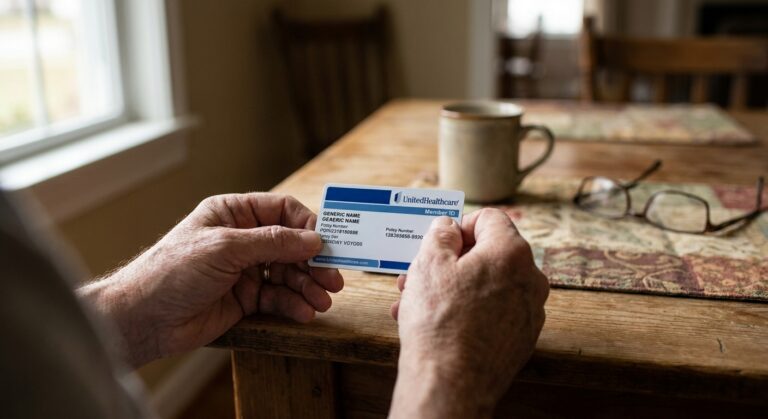
What that means for you in plain terms: because dual diagnosis treats a mental health condition alongside the addiction, your son’s plan generally cannot treat it as a lesser, optional benefit. TruHealing Cincinnati accepts Aetna, Cigna, UnitedHealthcare, Anthem Blue Cross Blue Shield, Optum, and UMR. We also work with families paying privately.
Verifying benefits does not take long, and it is one of the quickest steps you can take right now to understand your options. Our admissions team needs three pieces of information: his name, his date of birth, and his member ID. With those, we can review the benefits picture and explain what his plan may cover before he ever packs a bag. You do not have to guess, and you do not have to commit to anything to get that information. However worn down you feel, this is a phone call, not a mountain.
Why Residential and PHP Levels of Care Give Time to Treat Both Conditions
Residential and partial hospitalization (PHP) care give dual diagnosis something outpatient often cannot: time. When a person is only seen a few hours a week, the pressure to move quickly can mean the addiction gets attention and the mental health condition gets less focus. Both conditions benefit from adequate time and attention.
TruHealing Cincinnati offers detox, residential, and PHP, all in Cincinnati, OH. That matters more than it sounds. Your son can move from medical stabilization, through intensive dual-diagnosis therapy, and into step-down care without transferring to a different facility or starting over with new providers. He stays inside the same treatment setting, with clinicians who already know his story. You are not coordinating handoffs between three separate places while you are already exhausted. In residential care, he lives inside a supportive healing community where the structure may help him stabilize and engage with the work. In PHP, he maintains that clinical intensity while beginning to rebuild daily life.
We are also an all-male facility, running dedicated men’s addiction and men’s mental health tracks. For a lot of parents, that offers some reassurance. It removes a category of distraction and lets your son focus on his recovery and the men around him doing the same. Time, structure, and the right environment are part of what allow both conditions to be addressed thoroughly instead of one of them being rushed.
Accreditation, Licensing, and Clinical Credentials at TruHealing Cincinnati
TruHealing Cincinnati is accredited by the Joint Commission and licensed by the state of Ohio through the Department of Mental Health and Addiction Services. Those two credentials indicate the care meets recognized safety and clinical standards.
Every clinical role at our facility is filled by a master’s-level clinician, either a licensed social worker or a licensed counselor, with experience in the field. Two of our clinicians hold independent chemical dependency counseling licenses, which is a meaningful marker of experience in addiction care specifically. One of our counselors is certified in Accelerated Resolution Therapy for trauma. When you are considering a program for your son, these are the details worth asking any center about.
The thorough assessment we complete within 48 hours of admission is part of that same standard. It gives our team a framework for what he may be struggling with across his family, his work, his mental health, his addiction, and how he copes, so treatment can be tailored to him from the start. When you call us, you can ask about all of it: who does the psychiatric assessment and how quickly, which modalities the team uses, what licenses the clinicians hold, and what the facility is accredited for. A center that addresses both conditions should have clear answers.
You are at a decision point. One path is another program that treats only the substance. The other addresses the addiction and the mental health condition together, in one Cincinnati, OH program, so your son has an opportunity to work toward sustainable recovery. This decision matters for your family.
Call TruHealing Cincinnati now at the number on this page to verify your son’s insurance coverage and speak with an admissions counselor about dual diagnosis treatment that addresses both the addiction and the mental health condition in one Cincinnati, OH program.
Frequently Asked Questions
Can dual diagnosis treatment in Cincinnati, OH treat depression and addiction at the same time?
Yes. Dual diagnosis programs address both conditions together because untreated depression can be a significant factor in relapse risk for some individuals. At TruHealing Cincinnati, we sequence detox first to stabilize the body, then complete a psychiatric assessment and tailor therapy to where your son appears emotionally ready to begin.
How long does dual diagnosis treatment take in Cincinnati, OH?
Length depends on the severity of both conditions, but residential and PHP levels of care provide weeks to months of integrated treatment so neither the addiction nor the mental health condition is rushed. TruHealing Cincinnati offers detox, residential, and PHP in one location, so your son moves through each level without transferring facilities.
Does insurance cover dual diagnosis treatment in Cincinnati, OH?
Often, yes. Federal mental health parity law requires insurers to cover mental health and substance use care on equal terms. TruHealing Cincinnati accepts Aetna, Cigna, UnitedHealthcare, Anthem Blue Cross Blue Shield, Optum, and UMR, and we can verify benefits with a name, date of birth, and member ID.
What is the difference between CBT, DBT, and EMDR in dual diagnosis treatment?
CBT works with the thought patterns that may be connected to depression. DBT builds emotion regulation skills for impulsivity and severe anxiety. EMDR processes trauma directly, though it is typically introduced once a person has stable coping skills, because trauma work started too early may not be helpful for some individuals.
Why do some men return to use after treatment even though they completed the program?
Unaddressed mental health conditions like depression, anxiety, or trauma may have been influencing the substance use in the first place. When a program builds sobriety without addressing those underlying factors, the person may leave without treatment for what was contributing to his use, which can increase vulnerability to relapse.
What should I ask when I call a dual diagnosis treatment center in Cincinnati, OH?
Ask whether a psychiatric assessment happens within the first 48 hours, which therapy modalities the clinical team uses and how they choose, whether clinicians hold master’s degrees and independent licenses, and what accreditations the facility carries.
Take the First Step Toward Integrated Care
If you’ve been struggling with both substance use and mental health challenges, separating them into different treatments may feel incomplete. TruHealing Cincinnati understands that lasting recovery addresses both at the same time, helping you build stability from a stronger foundation. Reach out today to learn how our dual diagnosis approach in Cincinnati, OH can support your path forward.
Individual results vary. Every person’s recovery is different, and outcomes depend on many factors including individual circumstances, engagement, and follow-through with treatment recommendations.