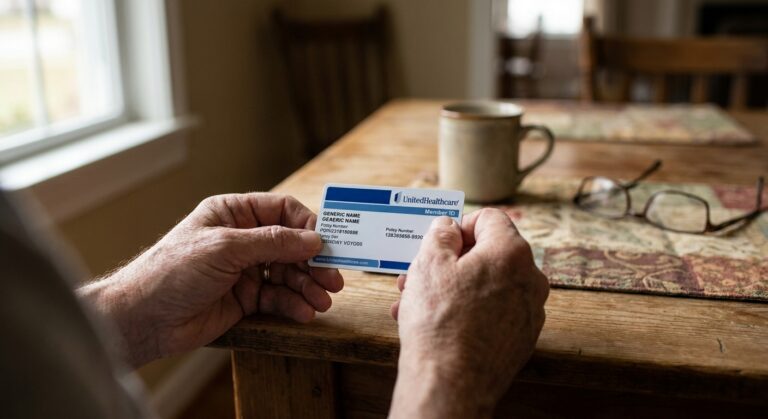

If you have UHSS coverage and you’re looking at addiction treatment options in Cincinnati, the question of whether your plan actually covers rehab is the one you need answered before anything else. Here’s a clear breakdown of what UHSS typically covers, how to verify your benefits, and what to expect when you pick up the phone.
What UHSS insurance covers for addiction treatment
A 2021 analysis by the National Council on Alcoholism and Drug Dependence found that adults with private insurance who understood their behavioral health benefits were 40% more likely to enter treatment within 30 days of deciding to seek help. Knowing what your plan covers isn’t a formality; it’s what gets you through the door.
UHSS plans are governed by the Mental Health Parity and Addiction Equity Act, which requires insurers to cover substance use disorder treatment at the same level as medical and surgical benefits. In practice, that means your UHSS plan cannot apply stricter limits to addiction treatment than it applies to, say, a knee surgery. That federal protection is real and enforceable.
Before you make a single call to a Cincinnati facility, log into the UHSS member portal and pull your Summary of Benefits and Coverage document. That document tells you exactly which behavioral health services are included, what cost-sharing applies, and whether prior authorization is required.
Inpatient vs. outpatient rehab benefits
UHSS plans generally cover the full continuum of care, from residential inpatient programs to outpatient levels including Partial Hospitalization Programs (PHP), Intensive Outpatient Programs (IOP), and standard outpatient therapy. Each level carries its own authorization requirements. Residential inpatient care typically requires prior authorization before admission, while PHP and IOP programs often require authorization within the first few days of enrollment. Understanding which level your clinical situation warrants is the first conversation to have with a treatment provider, and having your UHSS benefits summary in hand makes that conversation faster.
Co-occurring mental health coverage
UHSS covers dual-diagnosis treatment, meaning depression, anxiety, PTSD, or other mental health conditions treated alongside addiction fall under the same parity protections as substance use disorder alone. For Cincinnati adults seeking integrated care, this matters: bundled treatment for co-occurring conditions is both clinically more effective and covered under a single behavioral health benefit rather than split across separate deductibles. If you’re dealing with more than just substance use, verify with UHSS that your plan covers dual-diagnosis programming specifically, since documentation requirements for mental health and addiction claims sometimes differ.
How to verify your UHSS benefits before entering treatment
A 2020 study published in Psychiatric Services found that insurance-related confusion was the second most commonly cited reason adults delayed or abandoned addiction treatment, trailing only stigma. That delay is preventable with one phone call.
Call the member services number printed on the back of your UHSS insurance card. When you reach a benefits representative, have your member ID ready and confirm you’re asking specifically about behavioral health and substance use disorder benefits. Document every answer in writing: the representative’s name, the date, the call reference number, and each figure they give you. If there’s a dispute later, that documentation is what protects you. For a broader look at how insurance coverage works for Cincinnati rehab, that context is worth reviewing before your call.
Key questions to ask the UHSS benefits line
Ask the representative for your deductible amount and how much of it you’ve already met. Ask for your out-of-pocket maximum and your current progress toward it. Ask what your coinsurance rate is for residential inpatient care, for PHP, and for IOP separately. Ask whether the facility you’re considering requires prior authorization and what the submission timeline looks like. Finally, ask whether out-of-network benefits apply if the facility isn’t in-network, and what reimbursement rate you’d receive. Write down every number.
In-network vs. out-of-network rehab in cincinnati
A 2022 SAMHSA report found that out-of-pocket cost was the most frequently cited financial barrier to addiction treatment among adults with private insurance. For UHSS PPO members, this is where plan structure makes a real difference.
PPO plans, which UHSS offers, allow you to receive care at out-of-network facilities and still receive partial reimbursement. In-network providers cost less out of pocket because negotiated rates apply, but you’re not locked out of quality care if your preferred Cincinnati facility doesn’t hold a network contract. TruHealing Cincinnati accepts UHSS coverage, so verifying your specific benefits with the facility’s admissions team alongside your own call to UHSS gives you the clearest picture of your actual exposure. If you’re comparing options across carriers, checking how UHC handles rehab coverage in Cincinnati is a useful parallel since the benefit structures share similarities.
What to expect from the prior authorization process
A 2023 American Medical Association survey of 1,000 physicians found that 35% of prior authorization requests for behavioral health services resulted in at least one denial before approval. That stat isn’t meant to discourage you; it’s meant to prepare you.
UHSS uses medical necessity criteria to evaluate authorization requests for residential and intensive outpatient care. The facility’s clinical team submits documentation showing your diagnosis, the recommended level of care, and why that level is appropriate. Timelines vary, but most urgent requests receive a decision within 24 to 72 hours. If UHSS issues a denial, request a peer-to-peer review immediately. That process connects your treatment provider directly with the UHSS medical reviewer, and it changes outcomes at a meaningful rate. Don’t treat a first denial as final.
Pros and cons of using UHSS for cincinnati rehab
Where UHSS coverage works well
PPO flexibility is the clearest advantage. You’re not restricted to a narrow network, which matters in a market like Greater Cincinnati where not every quality facility holds every carrier contract. Federal parity protections mean UHSS cannot carve out behavioral health with arbitrary visit limits. For members who’ve made progress toward their deductible and out-of-pocket maximum, the financial exposure at admission drops significantly. Dual-diagnosis coverage under a single behavioral health benefit is another genuine strength for adults managing co-occurring conditions.
Where coverage falls short
Prior authorization delays are the most common friction point. Residential care almost always requires advance approval, and a lag in documentation from either the facility or UHSS can push admission back by days. Medical necessity disputes, where UHSS’s criteria and the clinical team’s recommendation don’t align on level of care, require appeals that take time. High deductibles on some UHSS plan structures shift a meaningful portion of the cost burden to the member, particularly early in a plan year. Long-term residential stays beyond 30 days sometimes face step-down pressure from the insurer regardless of clinical need.
UHSS rehab coverage costs: what you’ll actually pay
A 2019 study in Health Affairs found that unexpected out-of-pocket costs were a leading reason adults left addiction treatment early. Getting a cost estimate before you commit is not optional; it’s a clinical decision.
Ask UHSS for an Explanation of Benefits estimate before admission. Ask the facility’s billing team to run a benefits verification using your insurance card. The figures that matter most are your remaining deductible, your coinsurance rate for each level of care, and your out-of-pocket maximum. Once you hit the out-of-pocket maximum, UHSS covers 100% of covered services for the rest of the plan year. For adults comparing how different carriers handle cost structures, the PPO insurance rehab options in Cincinnati overview is a practical reference.
Who UHSS rehab coverage works best for in cincinnati
UHSS coverage delivers the most value for Cincinnati adults holding active PPO plans, particularly those with partially or fully met deductibles, dual-diagnosis treatment needs, or a preference for a specific facility that may not hold a tight network contract. If your plan year is mid-stream and you’ve already absorbed some cost-sharing, the financial calculus at admission is more favorable.
Where UHSS coverage becomes more complicated is for adults very early in their plan year facing a high deductible before benefits kick in, or for those whose recommended level of care is residential long-term and whose plan has conservative length-of-stay criteria. In those cases, a detailed verification call is especially important before selecting a program.
The one step to take this week: call the member services number on your UHSS card, pull your Summary of Benefits, and ask a Cincinnati admissions team to run a parallel verification. Two data points are always more reliable than one.
Frequently asked questions
Does UHSS cover detox as part of addiction treatment in cincinnati?
Yes. UHSS plans subject to federal parity law are required to cover medically necessary detoxification as part of substance use disorder treatment. Detox typically requires prior authorization or notification within a short window after admission. Understanding whether your plan covers detox before you call a facility saves time during an urgent situation.
How do I know if a cincinnati rehab facility accepts UHSS?
Call the facility’s admissions or billing department directly and ask them to verify your UHSS benefits using your member ID. TruHealing Cincinnati accepts UHSS coverage. The admissions team runs a benefits check at no cost to you, which confirms acceptance and outlines your estimated cost-sharing.
What is the difference between UHSS and UMR or UHC coverage for rehab?
UHSS, UMR, and UHC are all affiliated with UnitedHealth Group but operate as distinct plan administrators with different benefit structures. Your specific plan documents govern what’s covered. For a comparison on how UMR handles rehab coverage, that breakdown covers the key differences.
Can I use UHSS to cover both addiction and mental health treatment at the same time?
Yes. Federal parity law requires UHSS to cover co-occurring mental health and substance use disorder treatment under the same behavioral health benefit. Integrated dual-diagnosis programming at a Cincinnati facility is typically covered under a single authorization rather than as two separate claims.
What happens if UHSS denies my prior authorization request?
Request a peer-to-peer review immediately. That process allows the treating clinician to speak directly with the UHSS medical reviewer who issued the denial. It is the most effective first step after a denial and frequently results in reversal when clinical documentation is solid. You also have the right to a formal appeal, which the facility’s utilization review team can help you navigate.