
What If He Has a Relapse After Residential Treatment? What to Do Next (And Why It Doesn’t Mean He Failed)
Thirty days in residential, a couple of aftercare meetings, and then last weekend he used again. Now the story in your house is that the whole month was a waste and he is right back where he started. Maybe he is the one saying it, or maybe you are the one thinking it at the kitchen table after he finally falls asleep. If you typed “relapse after residential treatment what to do next” into a search bar at two in the morning and you are too tired to read one more article about willpower, this page from TruHealing Cincinnati is for you, the parent holding the phone.
That story about wasted time is the one relapse wants your family to believe. It is not what the clinical team at TruHealing Cincinnati sees when a person comes back after a return to use. They see someone who now knows what sobriety feels like in his body and who can name the situations that pulled him back. If he was here before, his care team already knows his history, so they can adjust the plan instead of starting blind.
It probably feels like your family already spent its one chance, and that asking for help again means admitting the first try did not count. You are at a fork in the road. One path is shame and waiting. The other is a phone call that often moves faster the second time around.
This page covers what happens next: what his clinical team looks at, which level of care might make sense now, why the second assessment can catch what the first one missed, and how insurance handles a second admission. TruHealing Cincinnati accepts Aetna, Cigna, UnitedHealthcare, Anthem Blue Cross Blue Shield, Optum, and UMR, and private pay is also an option.
What Does His Clinical Team See When He Comes Back After a Relapse?
His clinical team sees information, not a verdict. At TruHealing Cincinnati, a return to use is treated as a clinical event. It shows what the first plan did not fully cover, so the next plan can be more precise.
These decisions are guided by TruHealing Cincinnati clinical director Savannah Cain. Alongside her are two Independent Chemical Dependency Counselors, a credential the facility describes as representing the highest education and understanding a counselor can bring to substance use. That depth matters here, because reading a relapse well takes experience. A counselor at that level wants the details, not a lecture. What was happening in the days before he used? When did the cravings start? Who was around? Was he sleeping? Did anything on his discharge plan fall apart in the first week home, like a ride to a meeting, a job schedule, or a prescription that ran out?
Those answers become the new plan. If his discharge plan sent him straight back to the same friends and the same payday routine that fed his use, the TruHealing Cincinnati team can rebuild it around the triggers that actually showed up, not the ones everyone guessed at the first time. As painful as the relapse is, it hands his care team something they did not have before: real evidence of where the pressure points are.
This approach reflects how responsible treatment is supposed to work. Public health practice guidance on responding to relapse urges treatment programs to meet a return to use by reassessing the person and adjusting services, not by treating it as grounds to push him out. Your son may be carrying a lot of guilt and shame right now, so he needs a team that responds to the facts of what happened and does not pile on.
Relapse After Residential Treatment: What to Do Next About His Level of Care
Once the team understands what happened, most parents ask whether he has to start the whole thing over. Not necessarily. The level of care he might need now depends on an updated assessment using the ASAM Criteria. If he is medically stable, he might step into TruHealing Cincinnati’s Partial Hospitalization Program (PHP). If his withdrawal risk or the severity of his use has gone up, he might need detox and residential again.
The ASAM Criteria come from the American Society of Addiction Medicine. They give clinicians a structured way to look at the whole person instead of just the fact that he used. The assessment weighs his withdrawal risk, physical health, mental and emotional health, readiness to re-engage, risk of continued use, and whether his home environment supports recovery or works against it. Someone who drank for two days and then called for help looks very different through that lens than someone who has been using heavily for three weeks and hiding it, so their care should look different too.
At TruHealing Cincinnati, the medical staff handle the withdrawal side of that picture. They stay current on the newest procedures to help ease withdrawal symptoms, and they decide whether detox comes first. One safety point every parent should know: after a stretch of sobriety, tolerance drops. If your son uses opioids and goes back to his old amount, his overdose risk can be much higher than before. If you ever see signs of an overdose, call 911 first and call admissions after.
Because detox, residential, and PHP at TruHealing Cincinnati all happen in one place in Cincinnati, he does not get handed to a stranger at each step. If the slip was brief and he is physically steady, the team may recommend PHP so he gets daily structure and clinical care while he rebuilds his routine. If the use was longer and heavier, detox and a residential stay may be the safer call. Either way, the decision rests on his current medical need and what his insurer authorizes, not a rule that says everyone repeats the same stay from day one.
How Does Insurance Handle a Second Admission, and Why Can the Second Call Move Faster?
Knowing the right level of care is one piece. Knowing how you will pay for it is the next. Most plans review a second admission the same way they reviewed the first, by asking whether the level of care is medically necessary right now. When his benefit details and clinical history are already on file at TruHealing Cincinnati, the admissions team can often re-verify benefits and submit the request more quickly.
That work is led by Philip Wilson, Director of Admissions, who has spent more than five years handling benefit verification and approvals. When you call after a relapse, Philip’s team re-checks your son’s current coverage, whether his plan runs through Aetna, Cigna, UnitedHealthcare, Anthem Blue Cross Blue Shield, Optum, or UMR. This step matters even if he was just here. Plans change at renewal, jobs change, and a policy that looked one way last month can look different today.
His team also looks at a detail many families never think to ask about: whether the plan treats this admission as a new authorization or as part of the same benefit year as his first stay. That can affect both speed and cost. If he is still in the same benefit year, some of what your family already paid toward the deductible or out-of-pocket maximum may still count. If the plan year has rolled over, those amounts may have reset. You deserve to know which applies before he walks in the door, and admissions will walk you through it plainly.
It is natural to worry about money, or about sitting on hold while your son gets worse. Having his file on record helps on both fronts. The TruHealing Cincinnati team can submit clinical justification using history they already have instead of rebuilding his case from page one. If his first stay was somewhere else, the team still moves quickly, and the records and details you bring help them do it.
Why the Second Assessment Can Catch What the First One Missed
Insurance is the practical side. The clinical side is where a second stay can really change things. The relapse sometimes points to what was underneath it. At TruHealing Cincinnati, an updated in-depth psychiatric assessment, paired with GeneSight testing, can bring a co-occurring mental health condition into focus that was quiet during the first stay or only partly treated.
TruHealing Cincinnati treats addiction and mental health together through dual diagnosis care, and that matters most in the weeks after discharge. Inside residential there is structure, sleep, meals, groups, and people around him all day. Once he is home, that structure falls away, and it is not unusual for depression, anxiety, or trauma symptoms to rise. Maybe you noticed he stopped sleeping, seemed flat, or got short-tempered in a way that did not look like him. For some people, using again is less about wanting to get high and more about trying to quiet something they have no words for yet.
The TruHealing Cincinnati team builds and adjusts each person’s personalized treatment plan from those psych assessments and GeneSight results. GeneSight is a pharmacogenomic test done with a simple cheek swab. It looks at genes that can affect how a person’s body processes and responds to some psychiatric medications, including some antidepressants. It is not a crystal ball. It gives the medical team more information, so if a medication was not helping or was causing side effects he never mentioned, they have a better starting point for considering changes.
Medication is only one part. Because trauma is one of the facility’s core specialties at TruHealing Cincinnati, the second stay can dig into what the first may have only touched, helping him notice what he is feeling before it turns into a craving, a skill many people were never taught. That evidence-based care lands because of the conversations behind it. When the team asks him hard questions the second time, they are picking up where the first stay left off.
He Is Not Walking Back Into a Room Full of Strangers
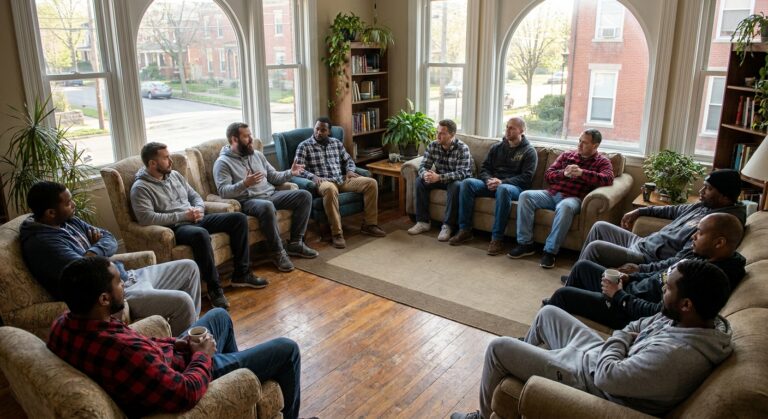
A lot of the fear about going back has nothing to do with the clinical plan. It is about the people in the room. At TruHealing Cincinnati he joins an all-male healing community, and if he was here before, it is one he already knows. He may reconnect with staff and peers from his first stay, or meet others who had their own relapse and chose to come back.
TruHealing Cincinnati runs dedicated Men’s Addiction Treatment and Men’s Mental Health Treatment tracks for adult men. That matters more than it might seem. Many people carry guilt and shame quietly, and after a relapse, the fear of walking back in and being judged can be enough to keep him from calling. In a room of others who get it, he has a better chance to drop that armor and talk honestly about what happened.
The rapport he built the first time does not vanish. His TruHealing Cincinnati counselors already know his humor, his history, and how he tends to deflect when things get hard. Someone coming back after a relapse needs to be heard and valued more than ever, and being known by name instead of starting over as a new intake can lower the wall that makes the second call so hard.
For you as a parent, keep the lines of communication open, even when you are angry, hurt, and exhausted. You can hold firm limits and still tell him the door to help is open. Take care of yourself too. Get some sleep, recharge, and let the clinical team carry the clinical part so you are not carrying all of it alone.
The Month He Spent in Residential Did Not Disappear Last Weekend
Even with the right team and community, you may still be stuck on the thought that the first month was wasted. It was not. The skills, insight, and relationships he built in residential are still there. Research on addiction as a chronic, treatable condition supports treating a return to use as a reason to resume or adjust care, not as proof that treatment failed.
The National Institute on Drug Abuse describes addiction as treatable and compares it to other chronic illnesses. As NIDA frames it, relapse can happen, and it signals that treatment should be restarted or adjusted. NIDA also notes that some people need longer or repeated episodes of care. If a son’s asthma flared after a good stretch, nobody would say his inhaler never worked. They would call his doctor and adjust the plan. A return to use deserves the same calm, practical response.
The recovery field uses the term “recovery capital” for the resources that support recovery, like skills, insight, health, relationships, and a support system. Last month added to his. He now knows what a craving feels like as it builds, what his mornings look like without substances, and which counselor he trusts. He knows the difference between a rough day and a dangerous one. A weekend of use does not erase that. If anything, it gives him and his team a clearer map of the weak spots.
No one can promise how an individual will respond to a second episode of care, and you should be wary of anyone who does. What is fair to say is that he is not starting from the same place as last time. He has already done some of the hardest work, and coming back lets him build on it.
Questions Parents Ask When Their Son Uses Again After Treatment
Here are straight answers to the questions families ask most often after a relapse following residential care. If yours is not here, the TruHealing Cincinnati admissions team can answer it on the phone.
Will insurance work with a second admission if he relapses after residential? Many plans apply the same medical necessity standard to a relapse admission that they applied to the first. TruHealing Cincinnati accepts Aetna, Cigna, UnitedHealthcare, Anthem Blue Cross Blue Shield, Optum, and UMR. Philip Wilson’s team re-verifies his current benefits before admission, and having his file on record can speed that review.
Will he have to repeat the full residential stay? Not necessarily. The ASAM Criteria and an updated clinical assessment determine his level of care. That may be PHP if he is medically stable, or detox and residential if his withdrawal risk has increased.
What happens when we call TruHealing Cincinnati after a relapse? Philip Wilson and the admissions team re-verify his insurance, submit clinical justification using his existing file, and coordinate placement at the appropriate level of care. The medical staff review his withdrawal risk as part of that process.
How will his second treatment plan differ from the first? The TruHealing Cincinnati clinical team, under clinical director Savannah Cain, uses what the relapse revealed to adjust his care. That can include an updated in-depth psychiatric assessment, GeneSight testing to inform medication decisions, and targeted work on the specific triggers or gaps the first stay missed.
Is relapse after residential treatment common? Yes. NIDA describes relapse as something that can happen with addiction, much like symptoms return with other chronic illnesses, and says it signals a need to restart or adjust treatment. It does not mean the treatment was a waste.
What if he feels too ashamed to go back to the same place? That shame is common, and it makes sense. The all-male community at TruHealing Cincinnati is built for people to be honest about hard things. Staff treat relapse as a clinical event, not a moral failure, and he may meet others who came back after their own relapse.
What Is the One Thing You Can Do Before This Weekend Is Over?
When you are facing a relapse after residential treatment, what to do next comes down to one call. Reach TruHealing Cincinnati’s admissions team at 502-830-3523 to verify his insurance coverage and schedule an updated assessment. The same number works whether he completed treatment here before or this is your first call.
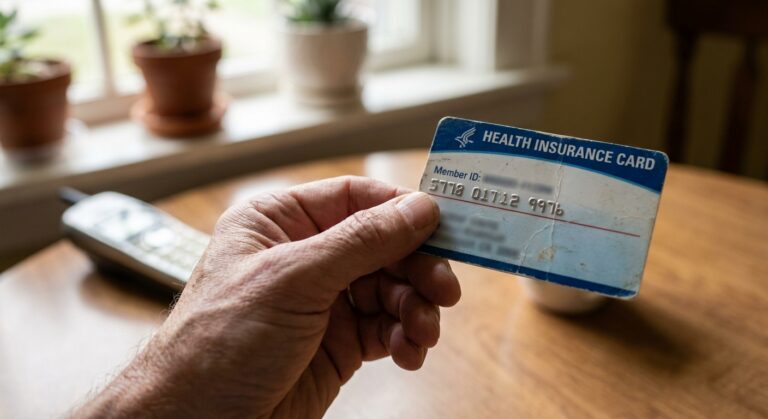
Before you dial, take two minutes to write down three things: what he used, roughly how much, and the date and time he last used. Those details shape how the TruHealing Cincinnati medical staff size up his withdrawal risk and help decide whether he starts in detox, residential, or PHP. Keep his insurance card nearby so Philip Wilson’s team can re-verify benefits during the same call.
If he is not ready to talk yet, you can still call for yourself and learn exactly what the next step would look like, so you are ready the moment he says yes. If you ever see signs of an overdose, call 911 first. Otherwise, remember that the details of last weekend, hard as they are to write down, are exactly what his team needs to build a better plan this time. One phone call turns this weekend from the end of something into the next part of his care.
You Don’t Have to Navigate This Alone
If you’ve left residential treatment and find yourself struggling, that moment doesn’t erase the courage it took to seek help in the first place. TruHealing Cincinnati understands that recovery rarely follows a straight path, and our team is here to help you find your footing again without judgment. Whether you need to talk through what happened or explore your next steps in treatment, reaching out today means you’re still moving forward.
Individual experiences with treatment vary. Relapse patterns, treatment responses, and insurance coverage differ from person to person.