Home » Addiction Treatment Services » Residential Programming
If you’re worried that you can’t stay sober in your current environment—or outpatient care hasn’t been enough—residential treatment can give you the structure, support, and space to reset. At TruHealing Cincinnati, you’ll live onsite in a safe setting while you work with a clinical team to stabilize, build coping skills, and create a plan for long-term recovery.
A residential treatment program is a structured level of addiction care where you live onsite while participating in therapy and recovery programming throughout the week. This level of support can be helpful when you need a stable environment away from triggers, consistent accountability, and a team to guide your progress day by day.
Residential care often supports people who are working through substance use concerns and may also be managing anxiety, depression, trauma, or other mental health symptoms at the same time. Your care plan is built around your needs—so you’re not stuck in a one-size-fits-all approach. We combine modalities such as Cognitive Behavioral Therapy (CBT), Dialectical Behavior Therapy (DBT), and Trauma-Focused Cognitive Behavioral Therapy (TF-CBT) to build a strong foundation for long-term recovery.
If you or someone you love is in immediate danger, call 911. If you’re in crisis or worried about self-harm, call or text 988 for 24/7 support. If you want confidential treatment referrals, you can also call the SAMHSA National Helpline: 1-800-662-HELP (4357).
Verify your benefits or call (513) 653-1233 to talk with someone today.
Residential treatment may be a strong fit when you need more structure than weekly therapy or outpatient care can provide—especially if you’re feeling stuck in a cycle of relapse, cravings, or high-risk triggers.
Residential treatment is often recommended when:
Call (513) 653-1233 —we can help you understand options and schedule a clinical assessment.
Residential care is designed to help you stabilize, rebuild daily structure, and practice the tools that protect long-term recovery—without having to navigate it alone.
A typical day may include:
You’ll also work with your team on real-life challenges—stress, cravings, relationships, and routines—so progress continues after you leave the program.
At TruHealing Cincinnati, our residential program supports substance use recovery while also treating co-occurring mental health concerns that can increase relapse risk—such as anxiety, depression, bipolar disorder, and PTSD. With structured daily programming and ongoing support, you’ll have time and space to work through challenges away from the distractions and triggers of everyday life.
When appropriate, care may include therapy, medication support, and whole-person services that help you stabilize, regulate stress, and rebuild routines—so recovery can last beyond your stay.
No two people heal the same way. That’s why residential care at TruHealing Cincinnati includes a blend of individual therapy, group therapy, and family support, plus skill-building and experiential services that help you practice healthier coping in real life.
For clients managing both substance use and mental health symptoms, we offer dual diagnosis support with an individualized plan—so the intensity and focus of treatment match your needs and goals.
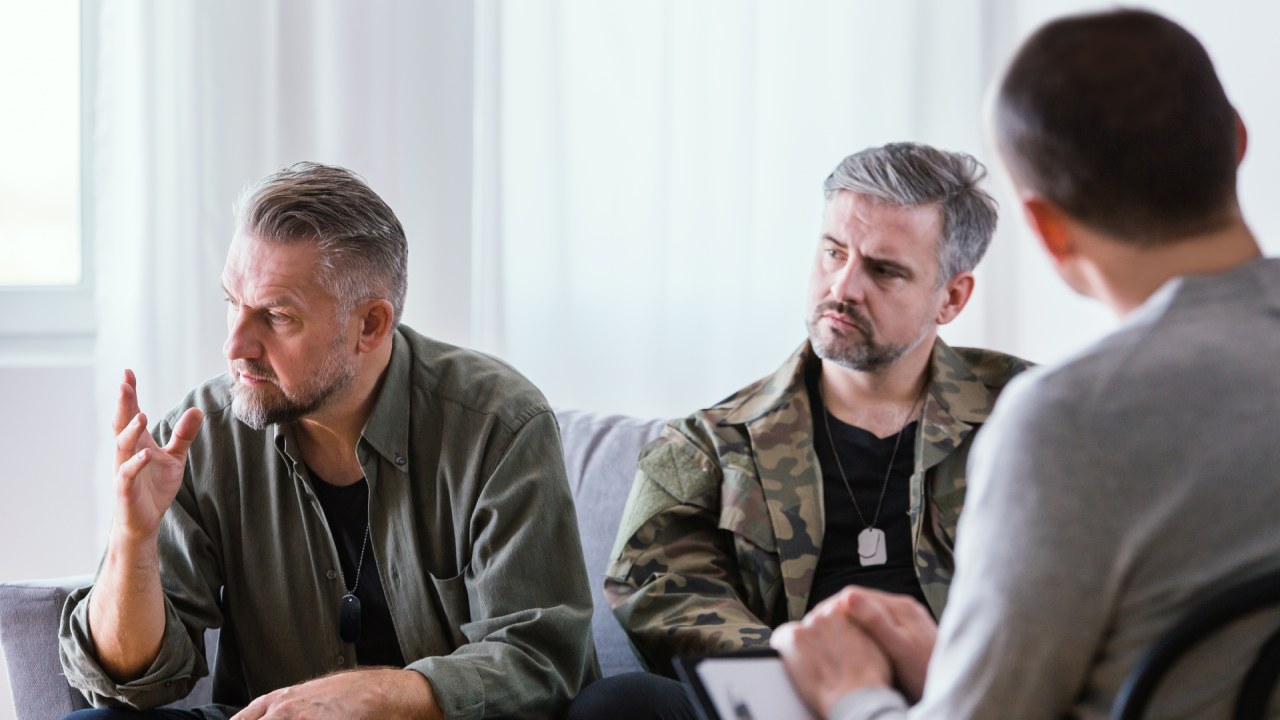
Healing doesn’t happen in isolation. In residential treatment, you’ll be part of a supportive community—sharing encouragement, learning recovery tools, and building routines alongside peers who understand what you’re going through.
With structured days, consistent accountability, and guidance from a clinical team, you can build stability step-by-step—then transition into the next level of care with a plan you can follow.
Experience compassionate, structured support in a safe and healing environment
designed for lasting recovery.
Around-the-clock support with medical and clinical staff available to meet your needs.
Programs tailored to your mental health, substance use history, and personal recovery goals.
Healing community offering individual therapy, group sessions, wellness activities, and holistic care.
Learn coping strategies, relapse prevention tools, and life skills that empower sustainable sobriety.
Personalized discharge planning to connect you with outpatient services, sober living, and ongoing therapy.
Recovery is not one-size-fits-all. TruHealing Cincinnati offers multiple levels of care so you can get the support that fits your needs now—and continue building momentum as you progress.
Level of Care | Where you live | Time commitment | Best for |
Residential | Live onsite | Highest structure | When home triggers or relapse risk make outpatient feel impossible |
PHP | Home at night | Full days, multiple days/week | When you need strong structure but can safely sleep at home |
IOP | Home | Several sessions/week | When you need consistent therapy while balancing work/family |
Outpatient (OP) | Home | Weekly or less | Step-down support and long-term maintenance |
Step-down pathway:
Many people transition from Residential → PHP → IOP → OP so they can keep support in place while rebuilding independence.
We treat more than the addiction—we support the whole person. Our holistic services help you reconnect with your body, mind, and sense of self:


These approaches help clients manage stress, heal physically, and develop healthy habits that support long-term sobriety.
If you’re searching for residential rehab in Cincinnati or a Cincinnati residential treatment center that offers structured, onsite support, TruHealing Cincinnati is here to help. We serve individuals and families across Cincinnati and surrounding communities.
TruHealing Cincinnati – 7820 Redsky Drive, Cincinnati, Ohio 45249
Addiction impacts families across Ohio every day—and the earlier you get structured support, the sooner you can stabilize and start rebuilding. Residential treatment can be a powerful option when relapse risk is high, support at home is limited, or symptoms feel unmanageable.
Methadone.org. (n.d.). Ohio drug and alcohol statistics. https://www.methadone.org/drugs/ohio-drug-alcohol-statistics/
Substance Abuse and Mental Health Services Administration. (2021). Ohio Behavioral Health Barometer, Volume 6. https://www.samhsa.gov/data/sites/default/files/reports/rpt32852/Ohio-BH-Barometer_Volume6.pdf
Ohio Attorney General Dave Yost. (2024, May). AG Yost Highlights Dangerous Trends on National Fentanyl Crisis. Ohio Attorney General’s Office. https://www.ohioattorneygeneral.gov/Media/News-Releases/May-2024/AG-Yost-Highlights-Dangerous-Trends-on-National-Fe
Centers for Disease Control and Prevention (CDC). (n.d.). Drug poisoning mortality by county and state, 1999–2020. National Center for Health Statistics. https://www.cdc.gov/nchs/pressroom/sosmap/drug_poisoning_mortality/drug_poisoning.htm
Ohio Governor’s Office. (2024). 2023 Unintentional Drug Overdose Annual Report. https://content.govdelivery.com/attachments/OHIOGOVERNOR/2024/10/30/file_attachments/3052169/2023%2BUnintentional%2BDrug%2BOverdose%2BAnnual%2BReport_FINAL.pdf
The cost of residential treatment can vary based on your length of stay, the services included, and your insurance benefits. The most helpful first step is to verify coverage and confirm the right level of care with an assessment.
Good news: Our team can help you understand your benefits and walk you through options before you begin.
Many insurance plans cover some portion of residential treatment, but coverage depends on your specific plan, medical necessity criteria, and provider network status.
Here’s how we make it simple:
Residential treatment is a powerful start—but ongoing support is what protects long-term progress. Before discharge, your team will help build an aftercare plan based on your needs and goals.
Aftercare planning may include:
Use these as accordion items:
Step 1 — Talk With Our Team
Call (513) 653-1233 or start with insurance verification. We’ll ask a few questions to understand what’s going on and what support may be the best fit.
Step 2 — Insurance Verification + Clinical Assessment
We’ll verify benefits and schedule an assessment to confirm the right level of care and timing. If residential isn’t the best fit, we’ll talk through other options.
Step 3 — Intake Day: What Happens When You Arrive
On intake day, you’ll complete paperwork, meet the care team, review expectations, and begin your treatment plan. Our goal is to help you feel oriented, supported, and safe from day one.
The First 72 Hours
The first few days focus on stabilization and establishing routine. You’ll meet with the clinical team, begin programming, and start setting goals for your stay.
What to Bring (and what not to bring)
Bring essentials like a photo ID, insurance card, and comfortable clothing. We’ll provide a recommended packing list and explain any restricted items before admission so you’re not guessing.
Not exactly. Inpatient treatment typically refers to hospital-based care. Residential treatment usually takes place in a structured, onsite setting that isn’t a hospital, while still providing strong daily support.
Programs vary. During admissions, we’ll review communication expectations and how family involvement works so you know what to expect.
Relapse doesn’t mean failure—it usually means you need a stronger plan or more support. If relapse happens, contact us right away so we can help you re-stabilize and adjust your level of care.
If you’re looking for residential addiction treatment in Cincinnati, OH, you don’t have to figure it out alone. TruHealing Cincinnati is here to help you find the right level of care and start with a clear plan.