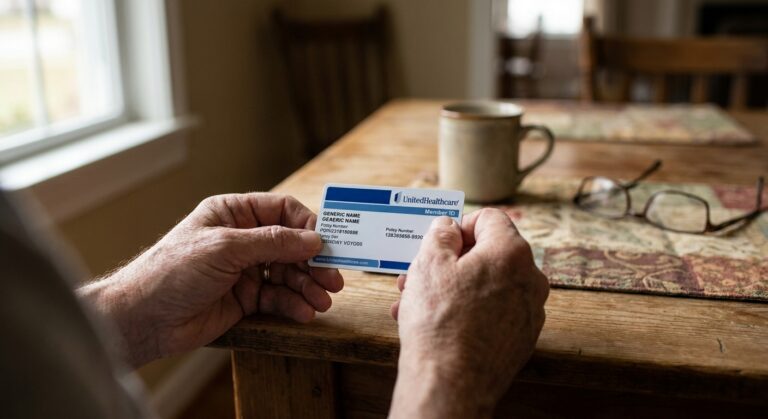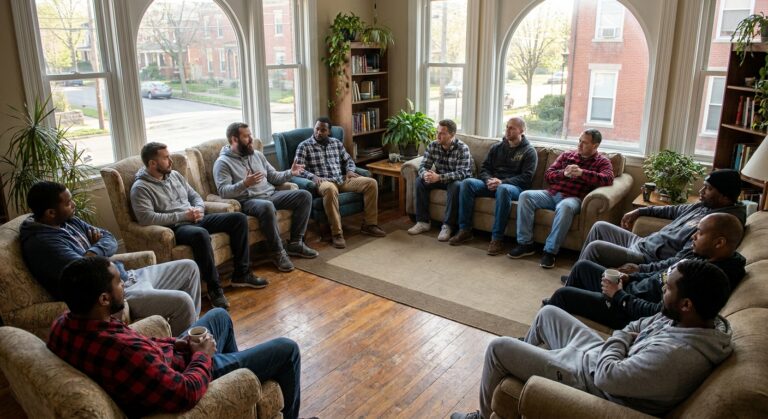

Your stomach sinks. That same thought again.
“It didn’t work last time.”
You said yes to treatment. Showed up to a PHP. Sat in the chairs, took the notes, nodded at the right times. You maybe even graduated.
But something didn’t land. You didn’t feel changed. Maybe worse, you didn’t feel seen.
And now? Now you’re wondering if it’s even worth doing again.
At TruHealing Cincinnati, we hear this all the time. You’re not alone. But we’re going to say something that might sting:
PHP didn’t fail you. But it can’t work unless you let people in.
That’s not blame. That’s a boundary-breaker. If this is going to work, you have to be willing to do more than show up.
You Can’t Heal from Behind a Wall
Protecting yourself made sense for a long time. Maybe you spent years learning how to keep it all in—your pain, your fear, your rage, your grief. Maybe you stopped trusting people long before you ever picked up a substance.
So when you walked into treatment and heard, “Share openly,” your gut instinct was: Absolutely not.
We get that.
But here’s the raw truth: healing isn’t about control—it’s about connection. And connection can’t happen when you’re still playing emotional keep-away.
That’s why PHP isn’t just about routines and worksheets. It’s a container for re-learning how to be human with other humans.
PHP Isn’t a Cure—It’s a Crucible
You might think of PHP as the “middle ground” of treatment: more intensive than outpatient, but less restrictive than residential.
That’s true. At TruHealing Cincinnati’s PHP, you’ll have access to:
- Daily therapeutic support
- Group and individual therapy
- Medication management
- Peer recovery groups
- Skills-building for relapse prevention and mental health
But PHP isn’t just a schedule—it’s a crucible. It puts you back into life, just enough to practice living differently.
But that means you have to show up real. Not just the mask. Not just the “functioning addict” version. The real you. Even if you’re still angry. Even if you’re numb. Even if you don’t believe it’ll work.
“I Did Everything Right. Why Didn’t It Work?”
We hear this story from Lexington, Louisville, and right here in Cincinnati:
“I followed every step. I didn’t miss a group. I journaled. I did the coping skills. But I still feel the same.”
If that’s your story, we believe you.
But we’re going to challenge you gently:
Did you open up?
Did you let anyone all the way in?
Or did you manage your recovery the same way you managed your pain—quietly, in control, out of reach?
Because we’ve seen it go both ways. The client who doesn’t say a word for three weeks—then breaks down in week four and finally tells the truth. And that’s the week things start to shift.
Not because of a technique. But because they were finally willing to be witnessed.
The Clients Who Found Breakthroughs Had One Thing in Common
They stopped performing.
They stopped trying to impress their therapist or “say the right thing.” They stopped acting like recovery was something they had to ace. And they finally admitted:
- “I still crave it.”
- “I don’t think I want to stop.”
- “I’m scared you’ll leave if I tell you the truth.”
And what they found? We didn’t leave.
Neither did the group.
That’s what makes a PHP like ours powerful. Not just the curriculum, but the community. The honest, human, no-BS connection you make with people who’ve seen your darkness and still sit beside you.
You Can’t Be Loved If You’re Still Hiding
That’s a heavy sentence, but it’s real.
Most people in addiction have been hurt—badly. Abandonment, abuse, betrayal. So you learned to adapt: don’t need anyone, don’t show weakness, don’t let them see the cracks.
But the problem is, when you hide your pain, you also hide the parts of you that need healing.
Connection is what repairs trauma. Not lectures. Not tips. Not good behavior.
And in PHP, you have the chance—daily—to practice being seen without being judged. But you have to walk through that door yourself. No one can drag you there.
If You’ve Failed Before, You’re Still Welcome Here
At TruHealing Cincinnati, we’ve worked with people who:
- Relapsed five times
- Left halfway through a previous program
- Got kicked out for non-compliance
- Thought they were beyond help
And guess what?
They’re sober now.
Some of them are sober because they came back one more time—this time with a willingness to be real.
One client from Lawrenceburg told us, “The first time I went through PHP, I said what I thought they wanted to hear. The second time, I told the truth. That’s the one that saved me.”
What Makes Our PHP in Cincinnati Different?
We’re not miracle workers. But we’re real. We don’t do shame. We don’t do scripts. We don’t do surface-level recovery.
What we do is:
- Meet you where you are—even if you don’t believe in yourself yet.
- Give you structure and soul—real skills, real people, real safety.
- Walk with you through the hard parts, not just the easy ones.
You don’t need to impress us. You don’t need to fix yourself first. You just need to walk through our door and say, “I’m willing.”
That’s enough.
FAQs About PHP (Partial Hospitalization Program)
What is PHP, and how is it different from inpatient or IOP?
PHP (Partial Hospitalization Program) is a structured treatment program that provides intensive therapeutic services during the day while allowing clients to return home or to sober housing in the evening. It’s more intensive than IOP (Intensive Outpatient Program) but less restrictive than inpatient (residential) care.
It’s ideal for people who need a high level of support but also want some autonomy in their day-to-day life.
Does PHP work for people who’ve already been to treatment before?
Absolutely. In fact, many of our most successful clients are people who came to us after one or more failed treatment attempts. PHP gives you the space to try again—this time with more support, different tools, and a chance to go deeper.
What if I’m not ready to talk about everything?
That’s okay. You don’t have to spill everything on day one. But the more you’re willing to share—at your own pace—the more we can help. The only thing you need to bring is honesty, even if that honesty is: “I’m not sure I trust this yet.”
Can I do PHP if I’m still using?
PHP is designed for people who are medically stable and not in active withdrawal. If you’re currently using, we can help you safely detox and transition into PHP. Call us and we’ll walk you through your options.
How do I know if TruHealing Cincinnati is the right place?
We believe in fit. You’re not just a number here. We want you to feel like you belong—like the people around you see you and still choose you.
Come in for an assessment. Talk to our team. See if the energy feels different. We’ll always tell you the truth—even if that means pointing you to another program that better fits your needs.
You’re Not Broken—But You Might Be Guarded
That’s the piece no one wants to admit.
It’s not that you can’t be helped. It’s that you’ve never felt safe enough to let the help in.
But what if this time could be different?
What if TruHealing Cincinnati isn’t where you “try again”—it’s where you finally let someone help?
That shift—right there—is where recovery actually begins.
Ready to Try Honesty Instead of Just Effort?
Call (513) 429-7900 to learn more about our Partial Hospitalization Program in Cincinnati, Ohio.
We’re here when you’re ready. For real this time.