
I didn’t hit rock bottom the way movies or headlines say you’re supposed to. No dramatic overdose. No jail time. No final straw that everyone could point to and say, “That’s when it all changed.”
Instead, it was something quieter.
I was still functioning—mostly. Still showing up, still laughing at the right times. But inside, something was slipping. My creativity felt manufactured. My energy was borrowed. And my reflection in the mirror felt… unfamiliar.
I didn’t want to quit entirely. Honestly? I didn’t want to quit at all.
What I really wanted was to stop feeling like I was disappearing.
That’s what made me look into residential treatment programs in Cincinnati. Not because I was ready. But because I wasn’t willing to go one more week without feeling like me.
The Fear No One Talks About: What If Sobriety Erases You?
If you’re reading this, maybe you get it.
Maybe substances helped you feel like the best version of yourself—witty, connected, creative, awake. The kind of person who feels things deeply and can turn those feelings into something meaningful. Art. Music. Energy. Love.
So the idea of removing the thing that unlocks that part of you? Terrifying.
You don’t want to become one of those flat, gray versions of a person who quit everything and now just talks about their step count and green smoothies.
I had that fear too.
But here’s what no one told me: I was already going flat. Slowly, silently. I just hadn’t noticed how much of my brightness was flickering behind the scenes.
I Didn’t Need a Crisis. I Needed a Pause.
A friend once told me: “You don’t need to fall apart to ask for help. Sometimes all you need is a place to catch your breath.”
That’s what TruHealing Cincinnati gave me.
I came into residential treatment not because I had a dramatic intervention or lost everything. I came because I didn’t want to lose the one thing I couldn’t get back—my sense of self.
In those first few days, I realized something wild: I didn’t actually miss the substances. I missed the access they gave me to certain parts of myself. The courage to speak up. The comfort in silence. The flow in creative work.
And slowly, with help, I began learning how to reach those parts of me again—without needing to drink or use to get there.
What Residential Treatment Was Actually Like
Let me be honest: I was afraid it would feel like punishment. That I’d be cut off from the world, stripped of everything, made to follow some one-size-fits-all routine that flattened me even more.
But it wasn’t like that.
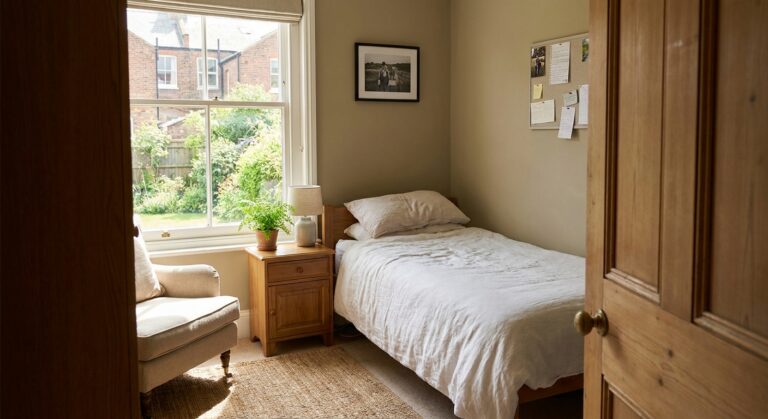
Residential treatment felt like someone dimming the noise so I could hear myself think again. There were structured groups, yes. But also room to breathe. Room to cry. Room to rediscover.
There were art supplies I hadn’t touched in years. Music I forgot I loved. Late-night talks that didn’t require a bottle to get deep.
Whether you’re based in Cincinnati, Springfield, Ohio, or Indianapolis, Indiana, the right program doesn’t erase your identity—it helps you recover it.
Creativity Didn’t Die in Sobriety—It Finally Got to Breathe
I used to believe my spark came from chaos. That I needed to “feel it all” all the time in order to be interesting, or make good art, or connect deeply.
But here’s what I learned in treatment: chaos and creativity are not the same thing.
You can write without being wrecked. You can feel deeply without drowning. You can create beauty without first destroying yourself.
In fact, some of the best work I’ve made came in the quiet moments of clarity. The kind that came not from substances, but from presence.
“Do I Really Belong in Residential Treatment?”
If this question has lived in your mind, here’s a gentle answer: If you’re asking that—if you’re even wondering if it’s time—then yes, you belong.
You don’t need to qualify your pain.
You don’t have to wait until your life blows up or someone else forces your hand. You can choose this. You’re allowed.
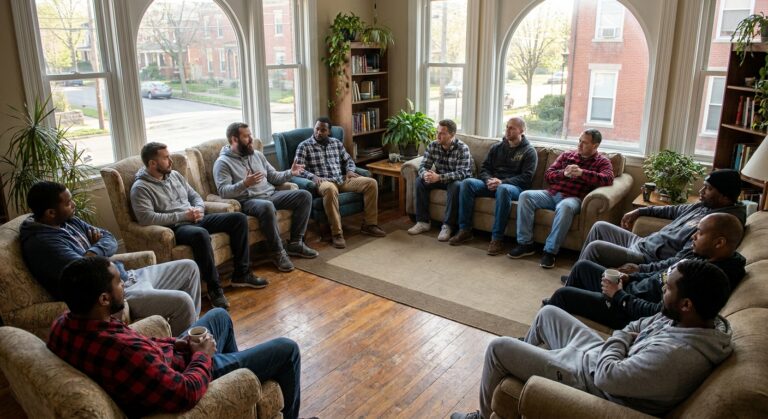
I met people in treatment who had lost everything. And I met others, like me, who just felt like they were one or two steps away from losing themselves. There’s no wrong time to say, “I need help.”
If you’re in the Cincinnati area or even looking for a Residential Treatment Program in Lexington, Kentucky, you don’t have to wait for disaster to get clarity.
The Hardest Part Was the Quiet—And the Most Healing
I remember one evening early in treatment. I sat outside, watching the sun drop behind the trees. No noise. No distractions. Just me.
It was uncomfortable.
And then… peaceful.
That’s what treatment gave me. Not just a break from using—but a break from pretending. A break from being “on.” A chance to stop performing and start being.
And over time, I learned I could still access my spark. Still write. Still connect. Still cry at songs and make people laugh and feel everything. Just… sober. And safe.
FAQ: Choosing a Residential Treatment Program
How do I know if residential treatment is right for me?
If you feel overwhelmed trying to manage your substance use on your own—or afraid that stopping will change who you are—it’s worth exploring. Residential treatment offers space to rest, reflect, and reset without the pressure of everyday triggers.
Is it only for people who’ve hit “rock bottom”?
Absolutely not. Many people enter treatment before their life becomes unmanageable. It’s valid to seek help for emotional, creative, or internal reasons—not just external consequences.
Can I still be myself in treatment?
Yes. A good program doesn’t erase your identity—it helps uncover parts of it that got buried. You don’t lose your spark. You just get tools to protect it.
What if I’m scared to stop using because it feels like I’ll lose my creativity?
That fear is real—and valid. But in treatment, you’ll learn ways to access your creativity and depth without needing to alter your state. Many people find they become more creative in recovery, not less.
Do I have to live in Cincinnati to get help at TruHealing?
No. TruHealing Cincinnati serves clients across the region—including those in Louisville, Kentucky, Springfield, Ohio, and Indianapolis, Indiana. If you’re willing to get here, they’re ready to help.
You Don’t Have to Disappear to Get Better
If you’re afraid that sobriety will erase your light—please know: that fear is common. And it’s not the whole story.
You’re not broken. You’re not boring. You’re not less than because you’re tired of depending on something that used to help but now just hurts.
You’re allowed to pause. To ask for help. To take your life back before it becomes a pile of ashes.
That’s what residential treatment offered me.
And it’s why I’m still here—creative, connected, and finally home in myself.
Still You. Still Creative. Just Clearer.
Call (513) 429-7900 to learn more about our Residential Treatment Program services in Cincinnati, Ohio.