I left the residential treatment program angry.
Not explosive, screaming angry—just tired, disappointed, and bitter enough to write the whole thing off.
I told my friends it didn’t work. I said all the right things out loud—“I gave it a try,” “It’s not for everyone”—but inside, I was furious. At the people who “got it” when I didn’t. At the staff who told me I was making progress. At the version of myself that believed recovery might be as simple as a 30-day stay.
I blamed the program. And for a long time, that story protected me.
But it also kept me stuck.
If you’ve walked away from a residential treatment program thinking it didn’t work, you’re not alone. And you’re not wrong to feel frustrated. But I want to tell you what happened when I finally stopped blaming the program—and started asking different questions.
I Wanted the Program to “Fix” Me
Here’s the part I didn’t say out loud when I checked in: I wanted the program to do the work for me.
I was exhausted from trying to stay afloat. When I signed those intake papers, I secretly hoped that whatever they had planned would erase the part of me that kept falling apart. I didn’t want growth. I wanted relief.
So when the days got uncomfortable—group therapy I didn’t connect with, assignments that felt too hard, downtime that left me restless—I decided the problem wasn’t me. It was them.
They weren’t trying hard enough.
They didn’t understand what I really needed.
The rules were too rigid.
The staff seemed checked out.
The food sucked.
It’s almost funny now how many things I found to resent, but when you’re hurting, blaming something tangible can feel safer than facing the truth: healing is terrifying.
The First Days After Discharge Were Worse Than I Expected
Leaving treatment was supposed to feel like a win.
Instead, it felt like standing in the middle of a busy intersection without a map.
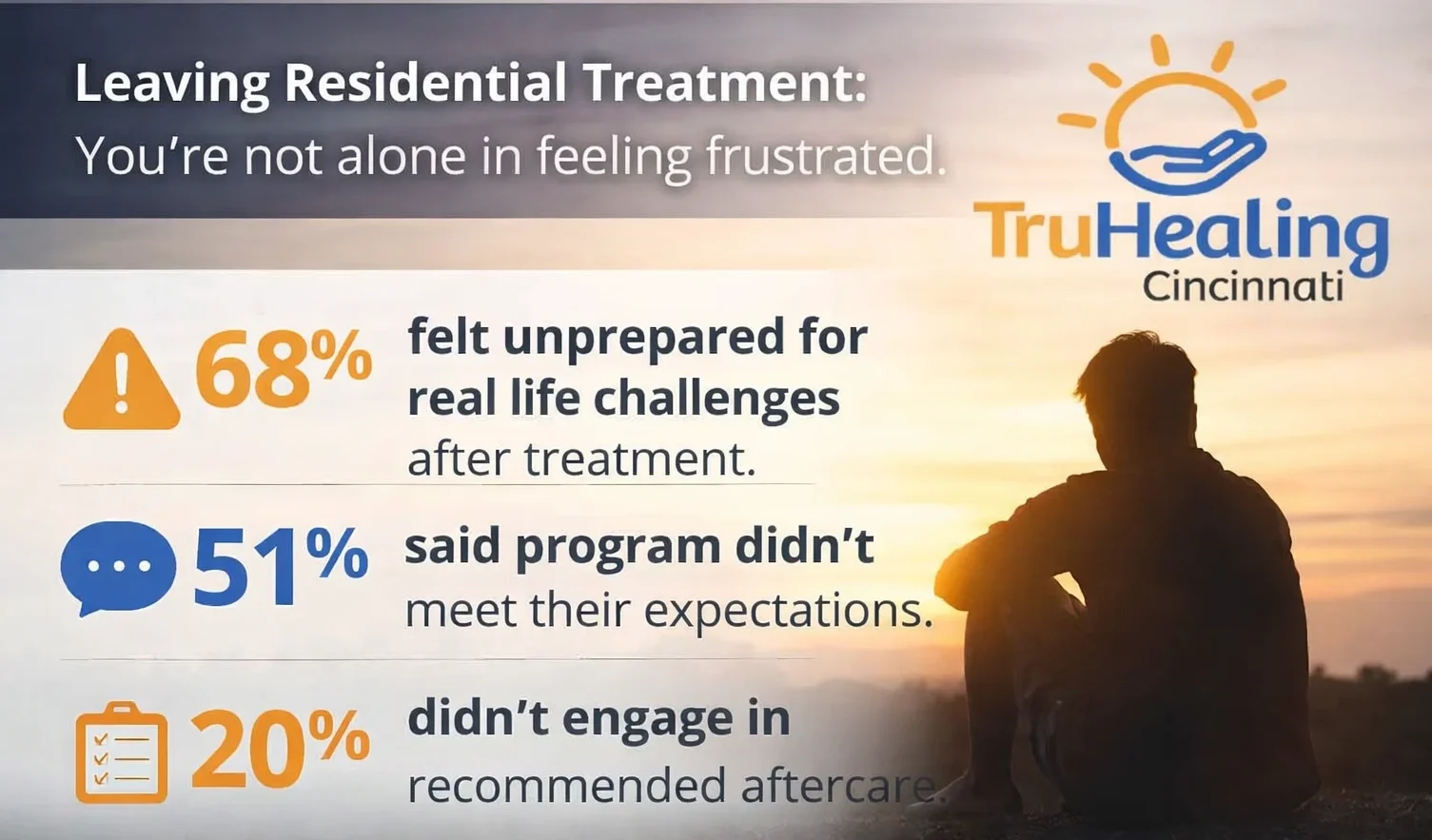
I didn’t expect it to be easy, but I thought I’d feel more ready. More confident. Instead, I panicked. There was no structure. No accountability. No group meetings waiting for me after breakfast. No check-ins from staff. Just real life coming at me full speed.
So I froze.
I didn’t reach out.
I didn’t follow the aftercare plan.
And when things started slipping again, I went right back to blaming the program.
“They didn’t prepare me for real life.”
“They didn’t teach me how to handle this.”
“They gave me false hope.”
But the truth? I didn’t do the follow-up work. I thought one program could solve a lifetime of pain. When it didn’t, I collapsed.
The Real Work Started When I Was Alone
It took months before I admitted how lost I still felt. I was embarrassed. I thought people would say I wasn’t trying hard enough. That I didn’t “want it” badly enough. So I stayed quiet.
But there was this one moment—I don’t even remember what triggered it—where I finally allowed myself to think: What if I gave the program too much pressure and myself too little credit?
What if it did work—but only as a starting point?
That thought cracked something open.
It didn’t feel like hope. It felt like honesty.
Recovery Was Never Going to Look How I Imagined
No one tells you how messy healing is. I thought recovery would come with clarity. Maybe even a little peace. But it felt like molting—painful, awkward, and slow. I kept expecting to feel “better,” but all I felt was raw.
There were days I was proud of how far I’d come.
There were also days I cried on the kitchen floor because I couldn’t figure out how to grocery shop without spiraling.
That back-and-forth used to feel like proof that I wasn’t doing it right. But I’ve learned that’s actually what recovery is: practicing new ways of living in the middle of the mess.
The residential treatment program gave me tools. But no one could force me to use them. That part had to come from me.
Blaming the Program Gave Me Something to Hold Onto—Until I Was Ready to Let Go
I don’t regret being angry. It helped me survive a hard transition. But I also know I stayed angry too long because it felt safer than facing my grief.
I grieved the fact that I needed help.
I grieved the years I spent in pain.
And I grieved the reality that no one—not even the best treatment program—could rescue me from myself.
Letting go of blame didn’t mean pretending the program was perfect. It just meant being honest about what was mine to carry.
What Helped Me Re-Engage Without Starting Over
Eventually, I stopped pretending everything was fine. I called a friend from the program. I started attending community support meetings, even though I felt awkward and out of place. I made a small commitment to journal every night before bed—just one page.
Those weren’t dramatic changes. But they were mine. They were choices I made without being told to. And little by little, I started to believe I wasn’t hopeless.
I didn’t go back to the same residential treatment program. But I did reach out to another one—this time with clearer eyes and a different heart.
Treatment Isn’t a Cure—It’s a Launchpad
Looking back now, I see residential treatment differently.
It wasn’t a magic fix. But it wasn’t a waste, either.
It was a pause. A practice ground. A safe space where I got to meet myself without distraction.
And when I finally chose to try again—with a better understanding of what I needed—it made a difference. This time, I stayed connected after discharge. I followed through on aftercare. I gave the tools a real shot.
If you’re considering re-engaging—or trying a residential treatment program for the first time after a tough experience—don’t let one attempt define your future.
In or near Lexington or Lawrenceburg, Kentucky? You might want to explore a residential treatment program in Lexington or in Lawrenceburg that fits where you’re at today—not where you were back then.
FAQs: What If I Still Feel Like Treatment Didn’t Work?
Why didn’t I feel “better” after completing residential treatment?
Because “better” is a moving target. Treatment helps stabilize and equip you—but healing often begins after you leave. It’s normal to feel disoriented, emotional, or even discouraged in those early weeks post-discharge. It doesn’t mean it didn’t work. It means you’re still healing.
Can I go back to treatment if I’ve already been once?
Yes. Many people attend treatment more than once—and that’s not failure. That’s learning. Some people return to the same program with new readiness. Others choose a different environment that better fits their current needs.
What if I didn’t feel connected to the staff or program?
That happens. Not every program is the right fit for every person. But that doesn’t mean treatment as a whole is ineffective. It might mean the style, structure, or environment wasn’t the right match. There are programs out there—including in Cincinnati, Lexington, and Lawrenceburg—that offer a different approach.
How do I know if I’m “ready” to try again?
There’s no perfect readiness. If you’re thinking about it, even skeptically—that’s worth listening to. You don’t have to be all-in to reach out. Just curious enough to ask questions.
You Don’t Have to Pretend It Worked. And You Don’t Have to Give Up Either.
It’s okay if your first treatment experience didn’t go how you hoped.
It’s okay to feel hurt, angry, or let down.
And it’s also okay to try again—with more information, more support, and more compassion for yourself.
Want to explore what recovery could look like this time?
Call (513) 429-7900 or visit TruHealing Cincinnati’s Residential Treatment Program to learn more about our services in Cincinnati, Ohio.
No pressure. Just possibility.