According to a 2022 SAMHSA National Survey on Drug Use and Health, fewer than 10% of adults with a substance use disorder received specialty treatment in the past year, and cost confusion ranks among the top reasons people delay or avoid care entirely. If you have PPO insurance and you’re searching for a rehab that accepts PPO insurance in Cincinnati, the coverage you need almost certainly exists. The challenge is knowing how to access it, verify it, and use it without getting blindsided by surprise bills or bureaucratic delays. This guide walks you through every step.
What PPO insurance actually covers in addiction treatment
A 2023 KFF analysis of large employer health plans found that 83% of covered workers were enrolled in PPO or similar preferred provider plans, making PPO the dominant private insurance structure in the United States. Understanding what “accepts PPO” actually means is the first thing to get clear on before calling a single facility.
A PPO, or Preferred Provider Organization, gives you flexibility that HMO plans do not. You can see providers both inside and outside your plan’s network, though your out-of-pocket costs differ significantly depending on which you choose. When a rehab says it “accepts PPO insurance,” that means the facility is willing to bill your PPO plan directly and work through the verification and authorization process on your behalf. It does not automatically mean the facility is in-network with your specific plan, which is a distinction worth understanding before you commit to anything.
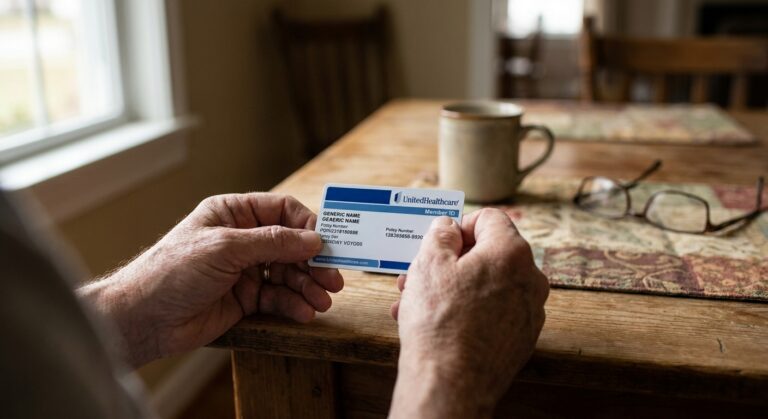
The practical starting point is your insurance card. The back of that card has a member services phone number. Before you call any treatment center, look up your plan name and group number so you can confirm exactly which plan you’re calling about. That single piece of information shapes every answer you’ll get.
In-network vs. out-of-network: the real cost difference
A 2023 KFF survey on health insurance cost-sharing found that in-network care typically triggers significantly lower cost-sharing than out-of-network care, often the difference between a 20% co-insurance rate and a 40-50% rate after a separate, higher deductible. For addiction treatment, where residential stays can run weeks, that gap matters.
In-network means the facility has a contracted rate with your insurer. Out-of-network means the facility hasn’t contracted with your plan, so your plan reimburses at a lower rate and you pay the difference. Both paths are available under most PPO plans, but the financial math is very different. Your Summary of Benefits and Coverage (SBC) document, which your employer or insurer is required to provide under the ACA, spells out both sets of cost-sharing numbers in plain language. You can request this document by calling member services or logging into your insurer’s online portal. Pull it before you make any decisions about which facility to pursue, because it gives you your actual deductible, co-insurance percentages, and out-of-pocket maximum for both in-network and out-of-network care.
How federal parity law protects your benefits
The Mental Health Parity and Addiction Equity Act of 2008, commonly called MHPAEA, is the federal law that prevents insurers from treating addiction and mental health benefits differently than medical or surgical benefits. In 2023, the Departments of Labor, Health and Human Services, and Treasury issued updated enforcement rules that strengthened how regulators evaluate parity compliance, requiring insurers to conduct and document comparative analyses of their benefit limitations.
What this means in practice: your insurer cannot impose stricter prior authorization requirements, lower day limits, or higher cost-sharing on a residential rehab stay than it applies to a comparable inpatient medical stay. If you hear “residential treatment isn’t covered” or “we only approve three days,” that response warrants scrutiny. The correct move is to ask the insurance representative to cite the specific plan document language and the medical necessity criteria being applied. Then ask how those criteria compare to what’s required for a medical inpatient admission. That question alone often changes the conversation, because the insurer’s representative knows that an inconsistent answer creates a parity violation complaint.
Levels of care covered by PPO plans
The American Society of Addiction Medicine (ASAM) publishes the most widely used framework for matching patients to treatment intensity, known as the ASAM Criteria. A 2021 study published in the Journal of Addiction Medicine found that patients placed at ASAM-matched levels of care had significantly better 90-day treatment retention than those placed at mismatched levels. Knowing which level fits your current situation before you call a facility focuses the conversation and accelerates the authorization process.
PPO plans generally cover four primary levels of addiction treatment, each with different daily structures, staffing requirements, and cost-sharing profiles.
Medical detox
Medical detox is the supervised management of withdrawal, typically lasting three to seven days depending on the substance and the severity of dependence. Because withdrawal from alcohol, benzodiazepines, and opioids carries medical risk, PPO plans typically classify detox as a medical benefit rather than a behavioral health benefit, which often means it’s subject to your medical deductible rather than your mental health deductible.
A 2020 study in Drug and Alcohol Dependence followed 1,200 patients discharged from detox without follow-on treatment. Within 30 days, 65% had relapsed. Detox clears the physical dependence; it does not treat the underlying disorder. Any facility worth considering will have a clear clinical pathway from detox directly into the next level of care. If insurance coverage for detox in Cincinnati is your immediate question, that coverage pathway exists under most PPO plans, but prior authorization is almost always required.
Residential and inpatient treatment
Residential treatment provides 24-hour structured care, typically in 30-, 60-, or 90-day increments. NIDA’s Principles of Drug Addiction Treatment, now in its third edition, states clearly that treatment lasting less than 90 days has limited effectiveness for most substance use disorders, and that longer durations produce better outcomes. PPO plans do fund residential treatment, but the number of days approved initially is rarely the full stay. Expect an initial authorization of 7 to 14 days with concurrent reviews throughout.
Concurrent review is the process by which your insurer evaluates continued medical necessity during an active stay. The treatment team submits clinical documentation, and the insurer approves or denies additional days. This is a normal part of how residential treatment is funded under private insurance, not a sign that something is wrong. The key is choosing a facility whose clinical documentation team is experienced with this process, because well-documented medical necessity determinations get approved at much higher rates than vague or incomplete ones.
Partial hospitalization programs (PHP)
PHP typically runs five to six hours per day, five days per week, and provides the clinical intensity of inpatient treatment without overnight stays. A 2019 study in Psychiatric Services compared PHP patients to matched inpatient controls and found no significant difference in 12-month outcomes for patients who completed the full PHP episode, at a substantially lower cost to payers.
For PPO holders, PHP often represents the best value in the continuum: high clinical intensity, medically supervised programming, and a benefit structure that many PPO plans fund generously because it avoids inpatient facility fees. PHP works well both as a direct entry point for people who don’t require medical detox and as a step-down from residential care. Before verifying your insurance benefits for Cincinnati treatment, know that PHP is almost always a covered level of care under PPO plans subject to medical necessity review.
Intensive outpatient programs (IOP)
IOP typically involves three hours per day, three to five days per week. A 2021 meta-analysis in the Journal of Substance Abuse Treatment reviewed 34 studies of IOP for co-occurring substance use and mental health disorders and found that integrated IOP, programs addressing both conditions simultaneously, produced significantly better outcomes than programs treating each condition separately.
The practical question to ask any facility you contact: is your IOP integrated, meaning do the same clinicians address both addiction and mental health in the same sessions, or does the program refer out for psychiatric care? The answer tells you more about clinical quality than any marketing language on the facility’s website.
How to verify your PPO benefits before you call a rehab
A 2022 SAMHSA report found that among adults who needed but did not receive substance use treatment, 27% cited cost or insurance as the primary barrier. Most of that cost uncertainty is resolvable with a single well-prepared phone call. The four-step verification process below is the move that prevents surprise bills.
Step one: call the member services number on the back of your insurance card. Step two: ask the specific questions listed in the next section and take notes. Step three: ask the representative for a reference number for the call, and write it down. Step four: request that a benefits summary be sent to you in writing, either by mail, email, or through your online portal. That written confirmation becomes documentation if a claim is disputed later.
The exact questions to ask your insurance company
Most people call their insurer and ask “does my insurance cover rehab?” That question produces a vague yes or no that tells you nothing useful. These are the specific questions that produce actionable answers:
Does my plan cover residential addiction treatment, and is prior authorization required? What is my in-network deductible for mental health and substance use treatment, and how much of it has been met this benefit year? What is my out-of-network deductible, and has any of it been met? What is my co-insurance percentage for in-network residential and PHP care, and for out-of-network care? How many inpatient or residential days does my plan typically authorize initially? What documentation does the treating facility need to submit for concurrent review? If a claim is denied, what is the internal appeals deadline, and how do I request an external review?
Call the member services number today and work through these questions before you contact any facility. The reference number from that call is your evidence that the insurer provided specific benefit information.
How rehab admissions teams can verify benefits for you
Reputable treatment centers, including those serving the Greater Cincinnati area, run complimentary insurance verifications as a standard part of the admissions process. This is not a sales tactic. It’s a practical service: the facility’s billing team contacts your insurer directly, identifies the applicable benefit codes, and gets a benefits breakdown that reflects how that specific payer handles that specific facility.
The one caveat is that a benefits verification is not a guarantee of payment. What the admissions team receives is called a “benefits check,” and it reflects how the plan is written, not a binding promise from the insurer. Cross-check the facility’s findings against your own call notes. If the numbers align, you’re in solid shape. If there’s a discrepancy, flag it before admission, not after.
What to look for in a cincinnati rehab that accepts PPO insurance
A 2021 NIH review of addiction treatment quality indicators found that accreditation status, clinical staff licensure, and use of evidence-based therapies were the three strongest predictors of positive patient outcomes across treatment settings. “Accepts PPO” is the starting point. What happens inside the facility is what actually determines whether you get better.
Five markers separate quality treatment from facilities that are simply willing to bill your insurance.
Accreditation and licensing standards
There are two national accrediting bodies for addiction treatment facilities: The Joint Commission (which awards what’s known as the Gold Seal of Approval) and CARF International. Both require facilities to meet detailed standards for clinical practice, patient rights, safety, and quality improvement. Ohio state licensure through the Ohio Department of Mental Health and Addiction Services (OhioMHAS) is a baseline legal requirement, but it sets a lower bar than national accreditation.
A 2018 study published in Psychiatric Services found that Joint Commission-accredited behavioral health facilities had significantly lower rates of adverse events and higher rates of evidence-based practice implementation than non-accredited facilities. You can verify any facility’s accreditation status at no cost through the Joint Commission’s public Quality Check database or CARF’s online directory. Do this before scheduling a tour or submitting to an admissions interview.
Evidence-based treatment modalities
NIDA’s Principles of Drug Addiction Treatment identifies Cognitive Behavioral Therapy (CBT), Dialectical Behavior Therapy (DBT), Motivational Interviewing (MI), and Medication-Assisted Treatment (MAT) as the most evidence-supported interventions for substance use disorders. A 2020 Cochrane review of CBT for substance use found effect sizes in the moderate to large range across alcohol, cannabis, and stimulant use disorders, with outcomes maintained at 12-month follow-up.
The question to ask every facility you contact is not “do you use evidence-based therapies?” Every facility says yes. Ask instead: which specific evidence-based therapies are scheduled in a typical week, and how many hours per week does each receive? A facility using CBT should be able to name the number of CBT group sessions per week, the credentials of the clinician running them, and the curriculum or manual being used. Vague answers to specific questions are informative.
Dual diagnosis capability (co-occurring mental health treatment)
SAMHSA’s 2022 National Survey on Drug Use and Health found that approximately 50% of people with a substance use disorder also meet criteria for at least one co-occurring mental health condition, including depression, anxiety disorders, PTSD, and bipolar disorder. Treating addiction in isolation when a co-occurring condition is present produces substantially worse outcomes.
The distinction that matters is between a facility that “can refer out” for psychiatric care and one with integrated, on-site psychiatric services. Referral-based models create gaps: there’s a delay between identifying a psychiatric need and getting an appointment, and the outpatient psychiatrist treating the mental health condition may have no coordination with the addiction treatment team. Integrated care means a psychiatrist evaluates every client within the first 72 hours, writes or adjusts psychiatric medications as part of the treatment plan, and attends clinical team meetings. Ask that question directly: does a psychiatrist evaluate every client within 72 hours of admission, and is that psychiatrist part of the on-site clinical team?
Aftercare planning and continuing care
A 2014 study in the Journal of Substance Abuse Treatment followed 286 adults for 12 months post-discharge and found that participation in a structured continuing care plan reduced the probability of relapse by 42% compared to those discharged without a plan. Continuing care is not an add-on. It’s a clinical intervention.
A real discharge plan includes a step-down level of care (from residential to PHP to IOP), identified outpatient providers for therapy and medication management, a connection to peer support resources, and, where applicable, a sober living referral. Ask during the admissions call: who writes the discharge plan, how far in advance of discharge is it developed, and does your team maintain contact with clients after they leave? Facilities that treat discharge planning as an afterthought typically show it in their outcome data.
Cincinnati-specific considerations for PPO insurance holders
Ohio Department of Mental Health and Addiction Services data from 2023 show that Hamilton County, which encompasses the city of Cincinnati, has consistently ranked among Ohio’s highest-volume counties for both opioid-related emergency department visits and substance use treatment admissions. The Greater Cincinnati treatment market includes facilities across Hamilton County, adjacent Northern Kentucky counties, and the broader southwestern Ohio region. If you’re exploring your coverage options for Cincinnati-area rehab, the geographic and insurance considerations below apply directly to your situation.
PPO insurance networks vary by state, and this creates a practical issue for people crossing state lines for treatment. A PPO plan issued in Indiana or issued through a Kentucky employer may have a different network structure in Ohio than it does at home. The facility you choose may be in-network for an Ohio-based UHC plan and out-of-network for the same plan purchased through an Indiana employer group.
Ohio’s parity enforcement and what it means locally
Ohio’s Department of Insurance has an active behavioral health parity enforcement program. A 2022 KFF state-level analysis found that Ohio was among the states with documented parity violation enforcement actions against commercial insurers in the prior three-year period, which signals that the regulatory mechanism works and that complaints filed by consumers or providers do get reviewed.
If you receive a denial for residential or PHP treatment and you believe the denial applies a stricter standard than your plan applies to comparable medical care, you have two parallel paths. File an internal appeal with the insurer and simultaneously file a complaint with the Ohio Department of Insurance. The ODI complaint line is 1-800-686-1526. Save that number before you start making calls. Having it ready does not mean you’ll need it, but the people who get claims paid fastest are usually the ones who know exactly where to escalate.
Traveling from dayton or indianapolis for treatment
Traveling away from home for addiction treatment is more than logistically convenient. A 2016 study published in Drug and Alcohol Dependence analyzed 1,100 treatment admissions and found that patients who traveled more than 50 miles for treatment had significantly higher 90-day retention rates than those who sought care locally, attributed in part to geographic separation from using environments and social networks that support substance use.
If you’re coming from Dayton, Indianapolis, or anywhere else in the PPO service area, the key logistical step is confirming your plan’s out-of-area benefit structure before you travel. Call member services and ask specifically: if I receive residential treatment at a facility in Hamilton County, Ohio, how is that processed under my plan? Many PPO plans apply out-of-area benefits that provide partial reimbursement even when the facility isn’t in your home network. Get the answer in writing and note the reference number from the call.
Common insurance roadblocks and how to clear them
A 2022 KFF analysis of prior authorization in commercial insurance found that 13% of prior authorization requests for behavioral health services were denied on initial submission, compared to 6% for medical services. NAMI’s 2021 insurance survey found that 34% of respondents with a mental health or addiction condition had experienced a denial of coverage in the prior year. Denials happen, but each one has a documented appeal pathway, and most are reversible.
The three roadblocks you’re most likely to encounter are prior authorization delays, medical necessity denials, and concurrent review cutoffs. If you receive any denial, request the denial letter in writing within 24 hours of receiving the verbal notification. The written denial starts the clock on your legal appeal window, and you cannot appeal effectively without knowing the stated reason.
Prior authorization: what it is and how to navigate it
Prior authorization is the insurer’s requirement that it approve treatment before the cost is covered. For residential and PHP levels of care, prior auth is nearly universal among PPO plans. A 2022 AHIP survey found that 94% of commercial plans require prior authorization for inpatient behavioral health admissions.
The fastest path through prior authorization is letting the treatment facility’s admissions team submit the request on your behalf. They have the clinical documentation templates your specific insurer requires and they know which billing codes trigger the most friction. When you speak with an admissions team, ask them to confirm the prior auth request will be submitted the same day you complete your clinical intake call, and ask them to confirm receipt with the insurer within one business day. That follow-up confirmation step catches cases where the request was submitted but not received, which happens more often than it should.
Appealing a denial: your legal rights
The Affordable Care Act requires all non-grandfathered health plans to provide at least one internal appeals process and access to an independent external review if the internal appeal is denied. For behavioral health denials, NAMI’s 2021 advocacy data found that roughly 40% of internal appeals for mental health and substance use treatment denials were overturned in the enrollee’s favor.
The sequence is: internal appeal with the insurer, then external review by an independent review organization (IRO) if the internal appeal is denied, then a complaint to the Ohio Department of Insurance or your state’s equivalent if the IRO upholds the denial. Before you file a formal internal appeal, request a Peer-to-Peer review. This is a direct call between the facility’s treating clinician and the insurer’s medical director. For residential treatment providers managing insurance claims and reimbursement, specialized residential treatment billing can help address payer requirements, claim documentation, and reimbursement issues. It bypasses the standard administrative review process, and it resolves a significant percentage of initial denials before a formal appeal is ever needed. Ask the admissions or utilization management team at the facility to initiate this call on your behalf.
Financial considerations beyond insurance
A 2020 National Bureau of Economic Research study found that out-of-pocket costs remain the single strongest predictor of whether a person pursues addiction treatment, even among those with insurance. Having PPO coverage substantially reduces that cost, but it doesn’t eliminate it. Knowing what to expect financially before admission is the best protection against mid-treatment financial stress.
Even with strong PPO coverage, your typical out-of-pocket exposure includes your annual deductible (which may apply to the first days of residential care), your co-insurance percentage on the total covered charges, and any services not covered under your specific plan, such as certain medications or ancillary services. Three legitimate strategies reduce that exposure.
First, if you have a health savings account (HSA) or flexible spending account (FSA), addiction treatment expenses are qualified medical expenses under IRS rules. Applying pre-tax HSA or FSA dollars to your deductible and co-insurance effectively reduces the real cost of your share by your marginal tax rate. Second, most reputable treatment facilities offer payment plans for the out-of-pocket portion of care. Ask during the admissions call whether a payment plan is available and what the terms are. Third, ask for an itemized cost estimate in writing before you sign any admissions paperwork. That estimate should break down the facility’s daily rate, which services are included, and which are billed separately. Any facility unwilling to provide this before admission is not one you want to do business with.
If you’re uncertain whether a specific carrier covers the services you need, there are carrier-specific resources worth checking. For example, if your plan is through Aetna, you can review how Aetna handles rehab coverage in Cincinnati. If your plan is through BCBS, a dedicated look at how BCBS approaches Cincinnati rehab benefits walks through the specifics. The same applies to other major carriers: Cigna, UHC, Optum, UMR, and others each have their own prior authorization criteria and benefit structures that are worth understanding at the carrier level before your verification call.
Frequently asked questions
Does PPO insurance cover all levels of addiction treatment, including detox and residential care?
Most PPO plans cover medical detox, residential treatment, PHP, and IOP, subject to medical necessity criteria and prior authorization requirements. The specific benefit structure, deductibles, co-insurance rates, and day limits vary by plan. Call your member services number and request your Summary of Benefits and Coverage document to see exactly what your plan covers before contacting any facility.
What does “accepts PPO insurance” mean when a cincinnati rehab uses that phrase?
It means the facility is willing to bill your PPO plan directly and work through the insurance verification and authorization process on your behalf. It does not automatically mean the facility is in-network with your specific plan. In-network status depends on whether the facility has a contracted rate with your insurer, and that varies by carrier and plan. Always verify network status during your benefits verification call.
How long does it take to get prior authorization approved for residential treatment?
Most PPO plans are required under state and federal law to make urgent prior authorization decisions within 72 hours and non-urgent decisions within 15 calendar days. In practice, experienced admissions teams at treatment facilities often receive a response within one to two business days by submitting complete clinical documentation at the time of request. If you’re in a situation requiring immediate care, the facility’s admissions team should flag the request as urgent.
Can a cincinnati rehab that accepts my PPO insurance deny me admission even if my insurance approves it?
Yes. Insurance approval means the payer will cover the cost if the clinical criteria are met. Facility admission decisions are made by the clinical team based on your individual presentation, the appropriate level of care, and bed availability. If one facility cannot accommodate you, the insurance benefit doesn’t expire. You can use it at any other facility that accepts your plan.
What should I do if my PPO insurance denies coverage for rehab?
Request the denial in writing within 24 hours. Read the stated reason carefully. Ask the treating facility’s clinical team to initiate a Peer-to-Peer review with the insurer’s medical director. If the Peer-to-Peer does not resolve the denial, file a formal internal appeal citing the Mental Health Parity and Addiction Equity Act if the denial appears to apply stricter standards than comparable medical care. If the internal appeal is denied, request an independent external review. For Ohio residents, the broader insurance verification process for Cincinnati rehab includes guidance on each of these steps.
Do I need a referral from my primary care doctor to go to a rehab that accepts PPO insurance in cincinnati?
PPO plans generally do not require a referral from a primary care physician, which is one of the structural advantages of PPO over HMO coverage. You can typically contact a treatment facility directly and begin the admissions and prior authorization process without going through a gatekeeper. Confirm this with your specific plan by asking during your member services call, because some PPO plans have modified referral requirements that vary by service type.
Make the call today
Cost uncertainty is the obstacle that keeps more people out of treatment than almost anything else. The verification process described in this guide resolves that uncertainty in a single phone call. Pull out your insurance card right now, call the member services number on the back, and use the questions in the verification section above to get the specific benefit information you need. Then contact the admissions team at a Cincinnati facility that accepts PPO insurance and let them run a complimentary benefits verification on your behalf. Cross-check the two sets of information, and you’ll have a clear, accurate picture of what your coverage actually provides. That clarity is what makes the next step, scheduling an admissions assessment, straightforward rather than frightening.