
You didn’t plan for this.
Your child is in crisis, and nothing seems to help. Maybe their behavior has become frightening—violent outbursts, reckless choices, nights where they don’t come home. Maybe they’re using substances, isolating, or talking about things that make your stomach drop.
You’ve tried everything you can think of. Therapy. Rules. Reasoning. Nothing is sticking. And now you’re scared. Not in a vague, general way—but in a gut-deep way that keeps you up at night, wondering if your child will survive this spiral.
At TruHealing Cincinnati, we talk to parents like you every day. Parents who love fiercely, who’ve held on for longer than anyone knows—and who finally realize that waiting isn’t working.
This is when a residential treatment program can make the difference between escalation and healing. Between chaos and clarity. Between fear and safety.
When Everything You’ve Tried Stops Working
There’s no handbook for parenting a young adult in behavioral health crisis.
Maybe they’re 19 and spiraling fast. Maybe they’re 24, but emotionally stuck at 16. You’ve tried outpatient therapy, school interventions, maybe even short-term hospital stays. But nothing has held.
When things escalate this quickly, the reality is: time is not a luxury you have. The longer the crisis continues unchecked, the higher the risks:
- Overdose from experimenting with street drugs
- Suicidal behaviors that feel impulsive but come from untreated pain
- Violence or threats toward themselves or others
- Legal consequences from behavior they can’t control
- Burned bridges with family and friends who care deeply but feel helpless
This is not about fear-mongering. It’s about calling the situation what it is: urgent. When your child is no longer safe—or when home is no longer a safe space for them to stabilize—residential care becomes not just appropriate, but necessary.
What Is a Residential Treatment Program?
Think of it as a pause button. A place away from chaos and constant reacting.
A residential treatment program is a live-in environment designed for emotional stabilization and therapeutic care. Unlike hospitals, it’s not focused only on crisis containment. It’s focused on long-term recovery.
Here’s what it typically includes:
- 24/7 supervision in a supportive, non-punitive environment
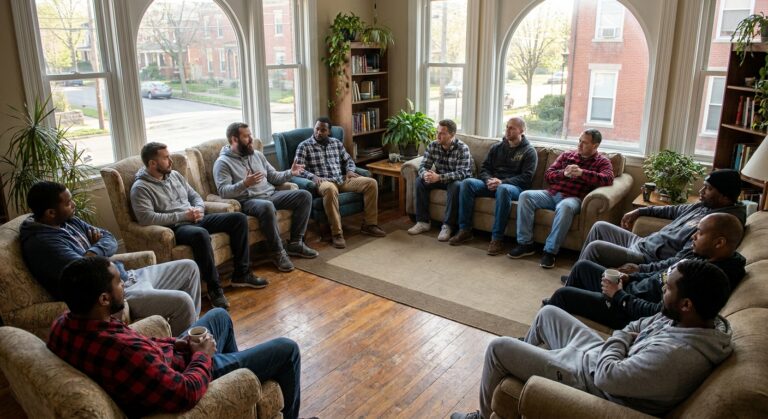
- Daily therapy: individual, group, and family sessions
- Structured schedule that helps reset sleep, meals, and coping routines
- Psychiatric support for medication evaluation and monitoring
- Trauma-informed care that meets emotional volatility with compassion
Your child is not just monitored—they are actively supported, seen, and engaged in their healing process. And unlike short-term solutions, residential care allows the brain and nervous system to begin re-stabilizing over time—not just in emergencies.
Families from nearby areas like Lexington and Lawrenceburg, Kentucky also rely on TruHealing Cincinnati for this deeper level of support.
Why Immediate Action Matters
Parents often hesitate because they don’t want to “go too far” or “overreact.” That hesitation is understandable—especially when your child is unpredictable or already struggling to trust adults.
But here’s what we see clinically:
- Delaying care often leads to emergency hospitalization
- Most teens and young adults resist help until they feel safe again
- Acting quickly can actually prevent more traumatic experiences
You are not betraying your child by intervening.
You are helping them access care before they lose even more ground. You are saying, “You matter too much for me to stay silent while you drown.”
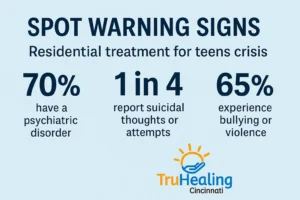
What Families Can Expect at TruHealing Cincinnati
We understand the emotional tightrope you’re walking.
At our residential treatment program, care begins with deep respect for both the individual and their family. We take time to understand the full picture—not just what’s happening now, but the history underneath it.
Your child will receive:
- Comprehensive intake assessments that cover medical, psychiatric, and emotional history
- Individualized treatment plans, adjusted as they progress
- Trauma-informed therapy, including EMDR and DBT when appropriate
- Substance use counseling if addiction is part of the story
- Family therapy sessions so you aren’t left out of the healing process
We work with both young adults and transitional-age clients—those in that 18–26 window where life feels most fragile.
And yes, we serve surrounding areas like Louisville, Kentucky as well.
“Will They Hate Me for Sending Them?”
This is one of the most common fears we hear.
The truth is: they might be angry at first. Confused. Resistant. That’s normal.
But we’ve also seen countless clients thank their families later—for believing in their potential when they didn’t. For stepping in with structure when their world felt unmanageable. For giving them a chance to do the work in a place built for healing, not just surviving.
Painful conversations can lead to transformational outcomes. And we’ll help you have those conversations with empathy and care.
How Residential Treatment Restores Safety
One of the first things that returns in residential care is safety.
Not just physical safety—but emotional and neurological safety. When your child is removed from their triggers, from the pressure to perform, and from the emotional volatility of daily life, their nervous system begins to settle.
This looks like:
- More regulated sleep
- Reduced reactivity
- Moments of genuine reflection
- Willingness to talk
- Seeds of trust beginning to form
You don’t have to wait for a full breakdown to start seeing breakthroughs. You just have to give them the space to begin again—with the right support.
Frequently Asked Questions
What’s the average length of a residential treatment stay?
Typical stays range from 30 to 90 days, depending on clinical needs and insurance coverage. We reassess regularly to determine what’s best for your child’s long-term progress.
Will I be involved in my child’s care?
Yes. We believe healing doesn’t happen in isolation. Family therapy and regular communication are part of the treatment plan. You’ll never be left in the dark.
Does residential treatment work if my child doesn’t want to go?
Not everyone arrives motivated. But with the right environment and clinical guidance, motivation can grow. Our team is skilled in working with resistance, denial, and fear.
Is this the same as inpatient hospitalization?
No. Inpatient hospitalization is for acute crisis stabilization—usually 3–7 days. Residential treatment is longer-term and focused on healing, not just emergency containment.
Do you take insurance?
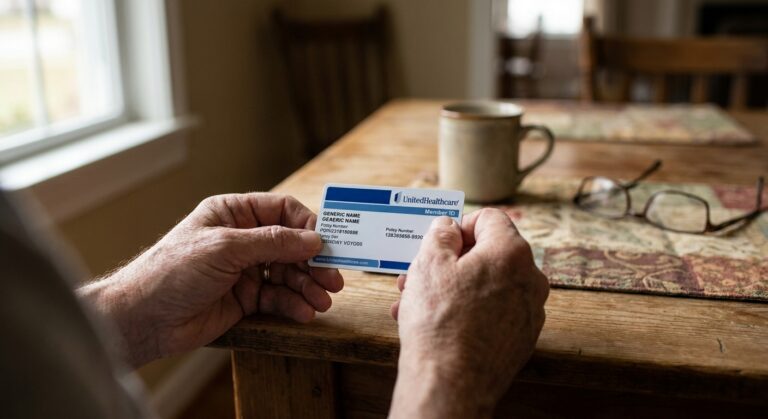
Yes. TruHealing Cincinnati accepts most major insurance plans and can work with you on the pre-authorization and verification process.
There’s Still Time. And There’s Still Help.
It’s okay to be scared. It’s okay to feel exhausted. But please know: you don’t have to do this alone anymore.
We are here to help you take the next right step—one grounded in clinical expertise, emotional integrity, and deep compassion for both you and your child.
Call (513) 429-7900 or visit our Residential Treatment Program page to learn how we can help you reclaim hope and safety for your family.