
I wasn’t even sure I had a “real” diagnosis.
The clinician said the words out loud, gently and with care—but still, it felt like the air had left the room. I remember walking out of that building like I was underwater. My thoughts were loud, then fuzzy, then loud again. I couldn’t think straight. Couldn’t figure out what to do next. I just sat in my car and stared at the parking lot for a long time.
What do you do when you know you need help but have no idea what that’s supposed to look like?
That’s the space I was in when I found out about partial hospitalization treatment in Cincinnati. And to be honest, it didn’t sound like something “someone like me” needed.
But I was wrong—in the best way.
I Didn’t Know If I Was Ready—Only That I Couldn’t Keep Going Like This
There’s this weird middle zone that doesn’t get talked about enough.
You’re not in crisis, exactly. But you’re also not functioning well. You’re showing up for work—or at least trying to. You’re answering texts, but they don’t sound like you. You’re eating, sometimes. Sleeping weird. Crying for no reason. Numb the rest of the time.
You know something’s off, but you’re afraid to make it “official.”
That was me. I wasn’t against getting help—but something about the phrase “partial hospitalization” made it feel like I’d be stepping onto a train I couldn’t get off. I didn’t want to be trapped. I didn’t want to be changed. I just wanted the pain and confusion to slow down long enough for me to think again.
Partial Hospitalization Treatment Sounded Intense—But It Was Exactly What I Needed
When someone first mentioned a PHP, I froze.
I pictured locked doors. People in scrubs. Meds on a schedule. No freedom. I thought it would be too clinical, too much, too soon.
But TruHealing Cincinnati’s program turned out to be the opposite of that.
Partial hospitalization treatment gave me structure, not restriction. It offered support, not surveillance. It felt more like a healing community than a hospital. I went during the day and came home in the evening. That alone was a game-changer—I could rest in my own bed but still have access to real, consistent help.
I Was Treated Like a Whole Person—Not a Diagnosis
This mattered more than I expected.
The staff didn’t just ask about my symptoms. They asked about me. What I loved. What I feared. What made me feel most like myself—and what had started to pull that away.
There was a day I broke down in group, crying about how scared I was that treatment would change me too much. That meds would flatten my personality. That therapy would teach me how to be someone I wasn’t.
And no one rolled their eyes. No one told me to “just give it a try.”
Instead, they listened. One of the therapists said something I’ll never forget:
“Healing should make you more like yourself—not less.”
That was the first moment I felt safe enough to stay.
The Structure Helped Me Feel Safe Without Feeling Stuck
Here’s what a day in PHP looked like for me:
- A slow morning (I wasn’t a morning person, and they worked with that).
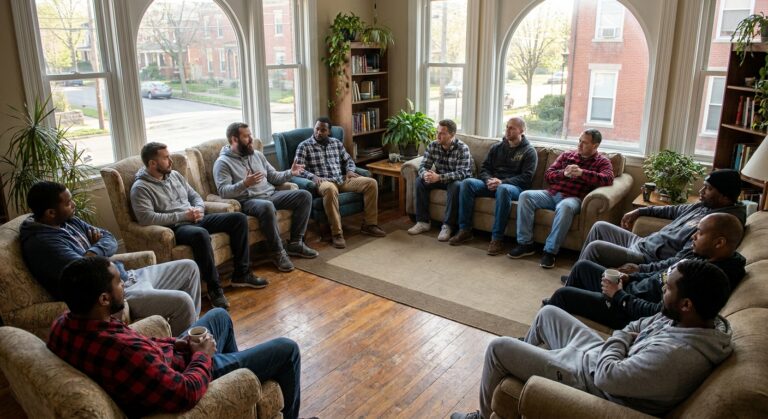
- Group therapy sessions that were actually useful—not just surface-level check-ins.
- A lunch break where I could breathe and reflect.
- One-on-one time with a clinician who got me.
- Skills training and psychoeducation that felt like someone finally handed me a manual for my brain.
It was consistent, yes—but not rigid. I had space to process. Time to rest. I wasn’t “on” all day. That helped my nervous system stop buzzing, for the first time in a long time.
Medication Wasn’t Forced on Me—It Was Explained, at My Pace
This part was huge for me.
I’d avoided medication for years. Not because I didn’t believe it could help, but because I was scared it would numb me out. I’d heard too many horror stories. I didn’t want to lose my spark—or feel like I wasn’t fully present in my own life.
TruHealing didn’t pressure me.
They offered education. Options. Space.
When I decided to give it a try, it wasn’t dramatic. It was a quiet step. I felt informed, not manipulated. And when I had side effects, we talked through them. We adjusted. It was collaborative.
That alone restored so much of the agency I felt I’d lost.
Healing Felt Possible—Even Before I Felt Better
It didn’t happen all at once.
There wasn’t a single moment when I said, “Okay, I’m fixed now.” But slowly, I started brushing my teeth again without effort. I laughed at something on the radio. I texted a friend back without dread. I cried during group and didn’t apologize for it.
And when my discharge day came, I wasn’t terrified—I was ready.
PHP gave me a soft place to land. It reminded me that healing isn’t about becoming someone new. It’s about being safe enough to be you, without fear or shame.
If You’re Scared, That Makes Sense. You’re Still Allowed to Ask for Help.
I used to think I had to be sure before I took a step.
Sure I needed help. Sure it was the “right” level of care. Sure I was ready.
But the truth is: You don’t have to be sure. You just have to be curious enough to try something different.
And if you’re in the Cincinnati area—or near Lexington or Louisville—partial hospitalization treatment might be the structured, supportive bridge you’ve been looking for.
FAQs About Partial Hospitalization Treatment
What is partial hospitalization treatment, exactly?
Partial hospitalization (PHP) is a structured, intensive day treatment program. You attend sessions during the day—typically five days a week—but return home each evening. It’s often used when someone needs more support than weekly therapy but doesn’t require 24/7 inpatient care.
How do I know if PHP is the right fit for me?
If you’re newly diagnosed, overwhelmed, or struggling to function but not in immediate crisis, PHP might be ideal. It’s also a helpful step-down after inpatient care or a safe step-up when outpatient therapy isn’t enough.
Will I be pressured to take medication?
No. Medication may be discussed if relevant, but you are always in control of your choices. PHP programs like the one at TruHealing Cincinnati prioritize informed consent, not pressure.
What’s the difference between PHP and IOP?
The main difference is intensity. PHP is typically 5 days a week for several hours a day. Intensive Outpatient Programs (IOP) may be fewer days or shorter sessions. PHP offers more structure and support.
Do I have to stop working or going to school?
It depends on your schedule. PHP is a daytime commitment, so you may need to adjust work or school temporarily. That said, many people find the short-term pause worth the long-term progress.
Your Next Step Doesn’t Have to Be Huge—Just Honest
You don’t need to have it all figured out. You don’t need to be sure this is your path forever. You just need enough space to wonder if this kind of support might help you breathe again.
Call (513) 429-7900 or visit our Partial Hospitalization Treatment page to explore next steps in Cincinnati, Ohio. Gentle, structured help is closer than you think.