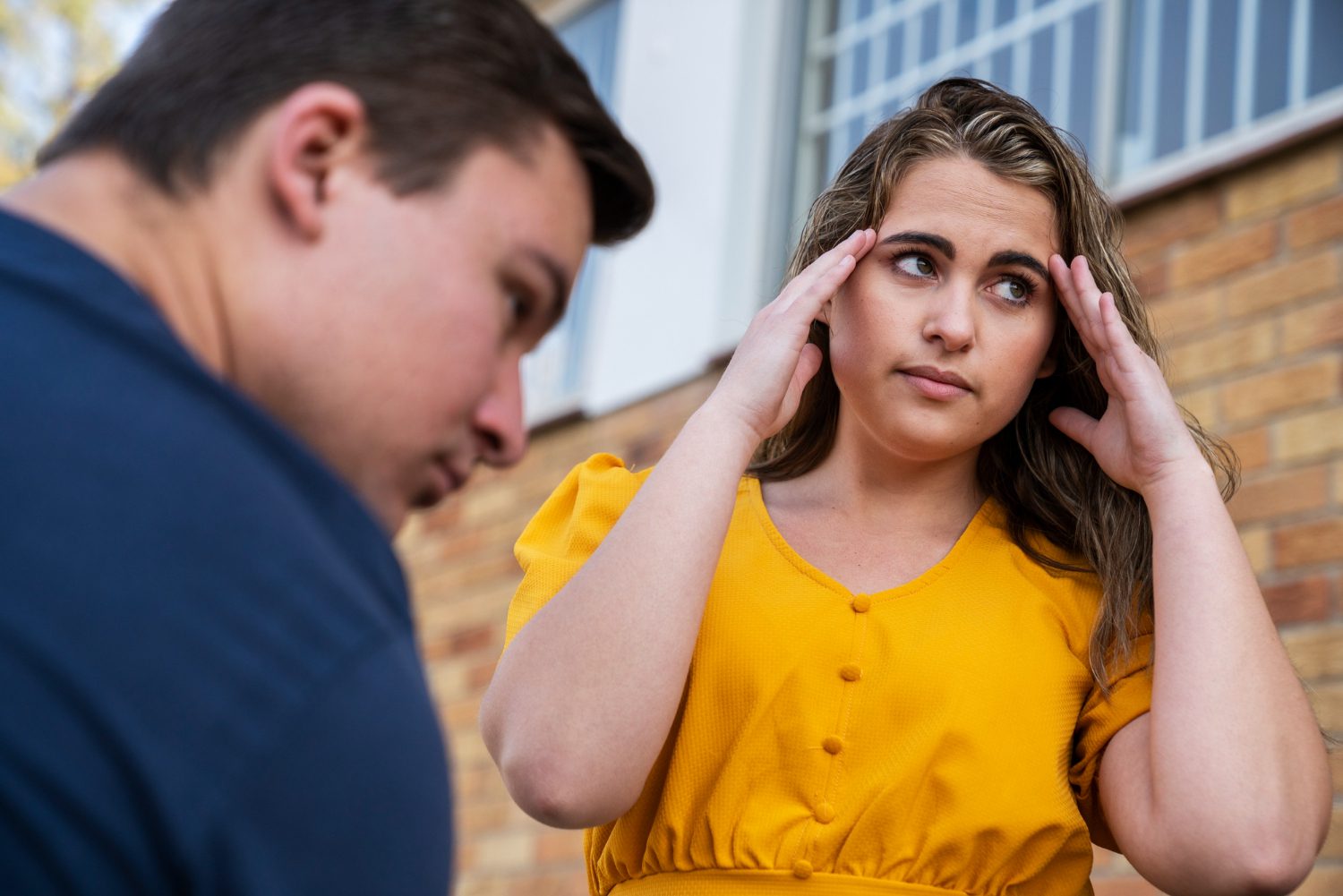
When someone you love is struggling with opioids, the pain rarely stays contained to just one person.
Partners often find themselves living in a constant state of emotional tension—loving someone deeply while also feeling scared, frustrated, and unsure how to help. Many people assume opioid addiction treatment focuses only on the individual using substances. But effective treatment recognizes a much bigger truth: addiction affects relationships, families, and entire support systems.
Learning about can show how recovery programs are designed to support partners and families as well as the person entering treatment.
If you’re navigating this situation—especially if you’re coming from nearby areas like Indianapolis, Indiana—it may help to know that many treatment programs actively work to support the people standing beside someone in addiction, not just the person in crisis.
Because healing a relationship requires more than one person doing the work.
Addiction Changes the Emotional Climate of a Relationship
When opioids enter a relationship, they often change the emotional atmosphere long before anyone talks openly about it.
Small shifts begin to appear. Plans fall apart at the last minute. Conversations feel tense or defensive. Trust slowly erodes under the weight of secrecy and uncertainty.
Partners may begin walking on eggshells—trying not to trigger conflict while also worrying constantly about the safety of the person they love.
Over time, the relationship can start to feel like it revolves entirely around addiction.
It’s important to understand that this dynamic is incredibly common. Addiction changes behavior, decision-making, and emotional responses. When that happens inside a relationship, both people feel the impact.
That’s why many opioid addiction treatment programs recognize that recovery must involve rebuilding the relationship environment—not just stopping drug use.
Why Modern Treatment Programs Include Family Support
Years ago, addiction treatment focused almost exclusively on the individual struggling with substances.
Today, clinicians understand something much deeper: relationships are part of the recovery process.
Family support components in treatment may include:
- Family education about addiction and brain chemistry
- Counseling sessions that help partners communicate safely
- Guidance on setting healthy boundaries
- Support groups designed specifically for partners and loved ones
These resources help families understand that addiction is not simply a failure of willpower. It’s a complex condition involving neurological, psychological, and environmental factors.
For many partners, learning this perspective brings a surprising amount of relief.
Understanding addiction doesn’t excuse harmful behavior—but it helps explain why change requires more than simply “trying harder.”
The Emotional Burden Partners Often Carry
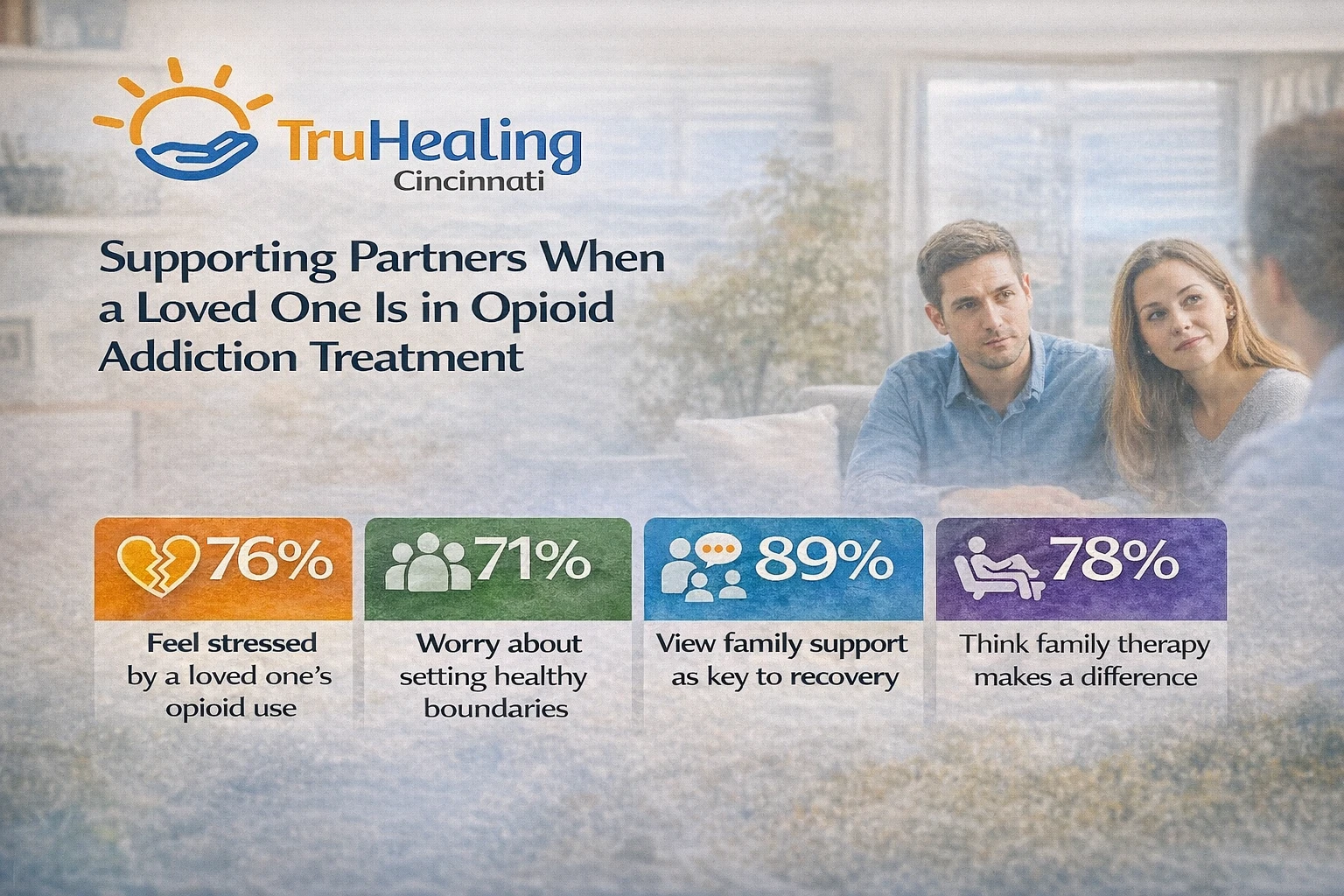
Partners frequently become the quiet caretakers of a difficult situation.
You may be the one managing household responsibilities while also trying to monitor whether your loved one is safe. You might be juggling work, parenting, and emotional stress without anyone fully seeing what you’re carrying.
Many partners describe feeling a mixture of emotions that seem to contradict each other.
Love and anger.
Hope and exhaustion.
Loyalty and fear.
Some partners feel guilty for setting boundaries. Others feel guilty for not setting them sooner.
These reactions are normal.
Addiction places tremendous pressure on relationships, and partners often absorb that pressure quietly.
Within family-inclusive opioid addiction treatment, clinicians work to acknowledge the emotional toll partners experience. Your stress, confusion, and grief deserve space in the healing process too.
Family Therapy Creates a Safe Space for Honest Conversations
When addiction has been present in a relationship for a long time, communication often breaks down.
Arguments repeat the same patterns. Important topics go unspoken. Both people may feel defensive or misunderstood.
Family therapy offers a structured environment where those patterns can begin to shift.
A trained clinician helps guide conversations so both partners can speak honestly without escalating into conflict.
These sessions often address topics such as:
- The emotional impact addiction has had on the relationship
- How trust was damaged and how it can slowly be rebuilt
- Expectations for recovery and accountability
- Healthy communication tools moving forward
For many couples, these conversations feel uncomfortable at first.
But they also create something many partners haven’t felt in a long time: clarity.
And clarity can be the first step toward rebuilding connection.
Learning the Difference Between Support and Enabling
One of the most difficult lessons partners face is understanding the difference between helping and enabling.
When you love someone, protecting them feels natural. You may find yourself covering financial problems, explaining missed responsibilities, or trying to minimize the consequences of their behavior.
These actions often come from compassion.
But over time, they can unintentionally protect the addiction rather than the person.
A key part of family-focused opioid addiction treatment is helping partners learn how to set boundaries that protect both people in the relationship.
Boundaries might include:
- Not covering up consequences related to substance use
- Protecting financial stability
- Refusing to participate in behaviors that enable addiction
This shift can feel painful at first.
But boundaries are not punishments—they are protective structures that create space for real change.
Recovery Is a Process That Rebuilds Trust Gradually
Many partners hope treatment will quickly restore the relationship to the way it was before addiction.
But recovery tends to move more slowly than that.
Trust is rebuilt through consistent behavior over time. Apologies become meaningful when they are followed by changed actions. Emotional safety returns in small moments—often quietly.
Imagine restoring an old bridge that has weathered years of storms.
The structure may still stand, but every beam must be inspected and reinforced before people feel safe crossing again.
Recovery works in a similar way.
With patience, therapy, and mutual effort, many couples find that the relationship they rebuild after treatment becomes more honest and resilient than the one they had before addiction took hold.
Partners Also Need Space to Heal
One of the most overlooked aspects of addiction recovery is the healing partners need.
Living alongside addiction often involves long periods of anxiety, disappointment, and emotional strain. Even after treatment begins, partners may still carry unresolved stress.
That’s why treatment programs increasingly emphasize support for loved ones as well.
This support might involve:
- Individual counseling for partners
- Family education workshops
- Partner support groups
- Guidance on rebuilding trust and communication
These resources help partners process their own experiences rather than suppressing them.
People coming from surrounding areas like Lawrenceburg, Kentucky sometimes discover that treatment programs offer more family-focused support than they expected.
Recovery doesn’t just restore the person struggling with addiction.
It creates an opportunity for the entire relationship to grow healthier.
Why Hope Still Matters in the Middle of Addiction
When addiction is active, hope can feel fragile.
Partners often worry that nothing will change or that treatment will fail. They may wonder whether the person they love will ever return to the version of themselves they remember.
These fears are understandable.
But many recovery stories begin exactly where you are now—in uncertainty.
Treatment doesn’t erase the past, but it does create new possibilities.
With the right support, people can rebuild trust, rediscover emotional connection, and create healthier relationships moving forward.
Hope is not about ignoring the damage addiction has caused.
It’s about believing healing is still possible.
FAQ About Opioid Addiction Treatment and Family Involvement
Does opioid addiction treatment involve family members?
Many treatment programs encourage family involvement through counseling, education sessions, and support groups. This helps rebuild communication and strengthens the recovery environment.
Can treatment really repair relationships damaged by addiction?
While every situation is different, many couples are able to rebuild trust and improve communication through therapy and recovery work.
Healing takes time, but progress is possible.
What if my partner refuses treatment?
If your loved one is not ready for treatment, you can still seek support for yourself. Counseling and partner support groups can help you navigate the situation and establish healthy boundaries.
Is it normal to feel angry at someone you love who is using opioids?
Yes. Love, anger, fear, and exhaustion often coexist in relationships affected by addiction. These feelings are natural and deserve acknowledgment rather than judgment.
How long does opioid addiction treatment typically last?
Treatment length varies depending on the individual’s needs. Some people begin with residential care and transition into outpatient programs, while others start with outpatient services.
Recovery is an ongoing process rather than a single event.
How can partners take care of themselves during this time?
Partners benefit from setting boundaries, seeking emotional support, and focusing on their own wellbeing. Taking care of yourself allows you to approach the relationship from a healthier and more stable place.
Loving someone who struggles with opioids can feel like standing in the middle of a storm—holding on to hope while everything around you feels uncertain.
But storms pass. And with the right support, healing can begin for both people in the relationship.
Call (888) 643-9118 to learn more about our opioid addiction treatment in Cincinnati, Ohio.