
When your child is in crisis, everything starts to feel like an emergency. But not all emergencies come with flashing lights. Sometimes it’s quiet: missed classes, staying up all night, refusing to talk, or saying things that don’t sound like them at all. And you’re left asking a question no parent ever wants to ask:
Is this serious enough to need help?
You’ve tried weekly therapy. You’ve researched inpatient programs—but they feel like too much. You’re stuck in a painful middle place, wondering what comes next.
That’s where Partial Hospitalization Treatment—also known as PHP—can offer a lifeline.
At TruHealing Cincinnati, our Partial Hospitalization Program bridges the gap between outpatient therapy and inpatient care. It’s built for families like yours, who are doing everything they can for a child who’s hurting—and need something more structured, more consistent, and more hopeful.
What Is Partial Hospitalization Treatment?
Partial Hospitalization Treatment is a structured, intensive mental health program that provides therapeutic support during the day while allowing clients to return home at night. It’s often the next step when outpatient therapy isn’t enough—but full hospitalization isn’t necessary.
In plain terms: PHP gives your child the help they need without pulling them out of their life entirely.
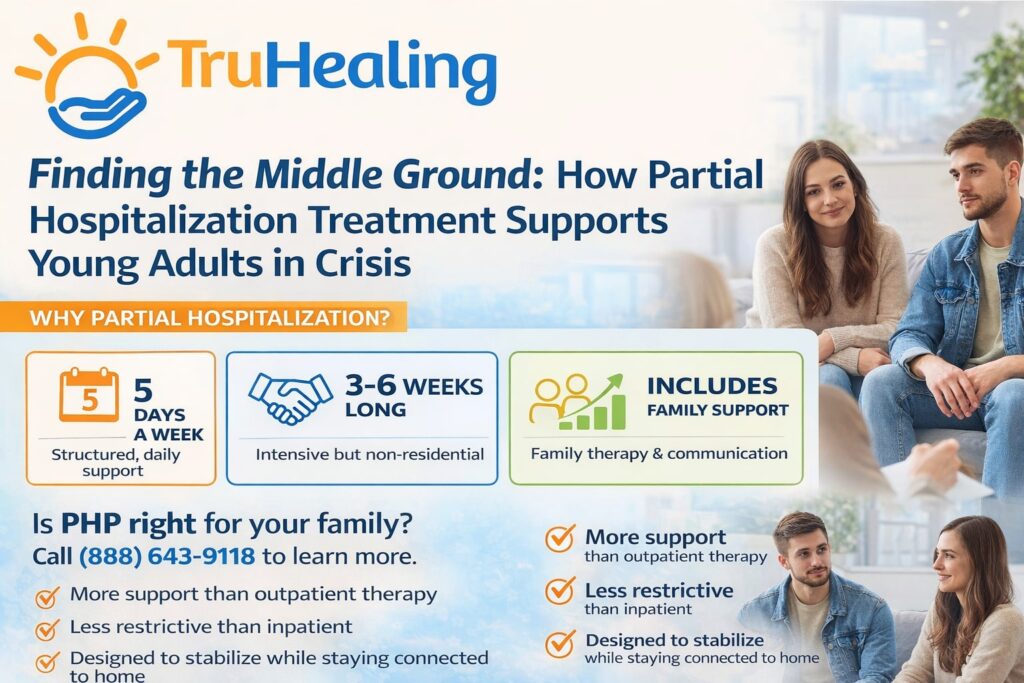
Rather than a single weekly therapy session, PHP provides daily therapeutic support, often five days a week, in a setting that balances structure and emotional safety.
Who Benefits Most From PHP?
PHP is often a good fit for:
- Young adults experiencing acute anxiety, depression, self-harm, or disordered thinking
- Clients stepping down from inpatient hospitalization who still need structured care
- Teens and college-age individuals whose symptoms are interfering with school, work, or relationships
- Families who’ve “tried everything” and feel like weekly therapy just isn’t enough
It’s also appropriate for those experiencing co-occurring symptoms—like mood instability and risky behaviors—that don’t quite reach crisis level, but are deeply concerning.
If you’ve caught yourself wondering, “Is this bad enough for inpatient?”—PHP might be exactly the right level of care.
What Happens in a Day of Partial Hospitalization?
At TruHealing Cincinnati, each day in PHP follows a supportive rhythm that blends clinical care with personal growth:
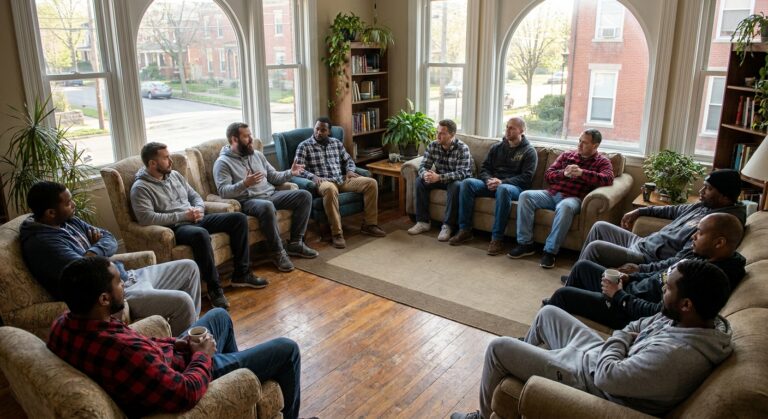
- Group therapy sessions focus on skills like emotional regulation, distress tolerance, and communication
- Individual therapy provides a consistent, private space to explore deeper emotional challenges
- Medication support is available if psychiatric symptoms are present or emerging
- Family engagement ensures parents stay connected to their child’s progress and are given space to heal, too
Lunch is typically provided, and the environment is designed to be safe, structured, and calm. Your child will return home each evening—tired, perhaps, but often more regulated, more open, and slowly rebuilding trust with themselves and others.
Why PHP Instead of Just More Therapy?
Outpatient therapy can be deeply helpful—but it’s often not enough during a mental health crisis. If your child is spiraling between sessions or not making progress, PHP offers:
- Higher frequency of care: Daily sessions versus weekly
- Increased accountability: A team checking in each day
- Skill reinforcement: Practicing coping strategies in real time
- Safe structure: Reduced risk behaviors and emotional overwhelm
One mom told us, “I used to wait all week, hoping therapy would help—then nothing changed. In PHP, I finally saw my daughter respond.”
How Is PHP Different From Inpatient or Residential Treatment?
Here’s a simplified comparison:
| Feature | Inpatient Hospitalization | Partial Hospitalization (PHP) | Outpatient Therapy |
|---|---|---|---|
| Overnight stay required? | Yes | No | No |
| Frequency of sessions | 24/7 care | 5 days/week | 1–2 times/week |
| Best for… | Immediate danger or crisis | Complex needs, not acute crisis | Mild to moderate symptoms |
| Family involvement | Limited | Encouraged and included | Variable |
PHP allows your child to stay connected to home life—while still receiving clinical-grade care.
What About School or Work?
This is one of the hardest parts. PHP usually runs during the day, which means taking a break from school or work responsibilities for a few weeks.
And that can feel terrifying.
But what we often remind families is this: it’s not forever, and it’s not failure. It’s an investment in healing, so your child can return to life with more stability, clarity, and resilience.
Many schools and employers are more understanding than you might expect—especially when a structured mental health program is involved. Our team can help with documentation and communication as needed.
Can It Really Make a Difference?
Yes. And we’ve seen it firsthand.
We’ve watched withdrawn, overwhelmed young adults open up for the first time in months. We’ve seen parents shift from helpless to hopeful—because finally, someone else is holding this with them.
“We didn’t know where to turn. PHP gave us back our son—and gave us space to be his parents again, not just his caregivers.”
– TruHealing Cincinnati Parent, 2023
Progress in PHP doesn’t always look dramatic. Sometimes it’s subtle—a full night of sleep, a laugh over lunch, a shared ride home. But those moments matter. They’re signs of life coming back.
Support Beyond Cincinnati
If you’re outside the city, we may still be able to help. TruHealing Cincinnati serves families throughout the region, and we often work with clients from surrounding communities:
- Looking for Partial Hospitalization Treatment in Lawrenceburg, Kentucky
- Looking for Partial Hospitalization Treatment in Lexington, Kentucky
If you’re unsure whether we’re the right fit, just call. We’ll guide you to the next step, whether it’s with us or someone else.
FAQ: Partial Hospitalization Treatment for Young Adults
Is PHP the same as being hospitalized?
No. PHP is a day program—your child will return home in the evening. It’s structured, but not residential. It’s a powerful middle option when outpatient isn’t enough, but inpatient isn’t necessary.
How long does PHP usually last?
Most PHP programs run 2–4 weeks, but duration depends on your child’s needs. Some stay longer for continued support or step down to IOP (Intensive Outpatient Program) afterward.
Can I stay involved in my child’s treatment?
Yes. Family involvement is encouraged. We offer updates, resources, and family sessions as appropriate—because your support matters.
What if my child doesn’t want to go?
It’s common for young adults to resist structured care. We recommend framing it not as “being sent away,” but as getting more support. Our admissions team can help you navigate that conversation.
Will insurance cover it?
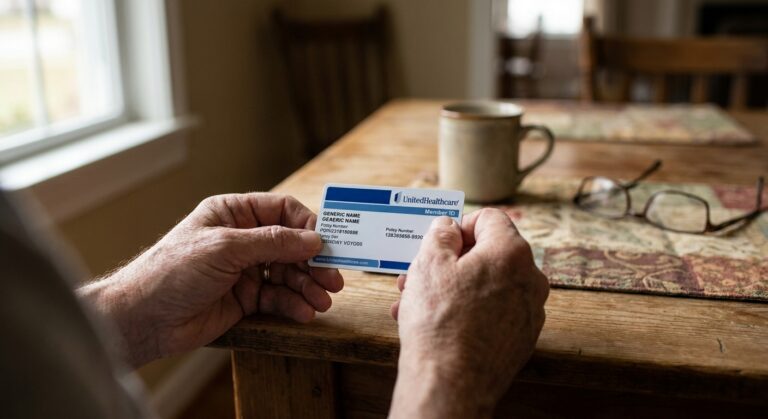
Most major insurance plans cover PHP. We can verify your benefits quickly and clearly. Just call us at (513) 429-7900 and we’ll walk you through it—no pressure.
Ready to Take the Next Step?
If you’re standing in that terrifying middle ground—where nothing feels “bad enough,” but everything is falling apart—you are not alone.
Our Partial Hospitalization Treatment program in Cincinnati was built for families just like yours. Call (513) 429-7900 or visit our PHP page here to learn more.
Let’s figure out the next right step—together.