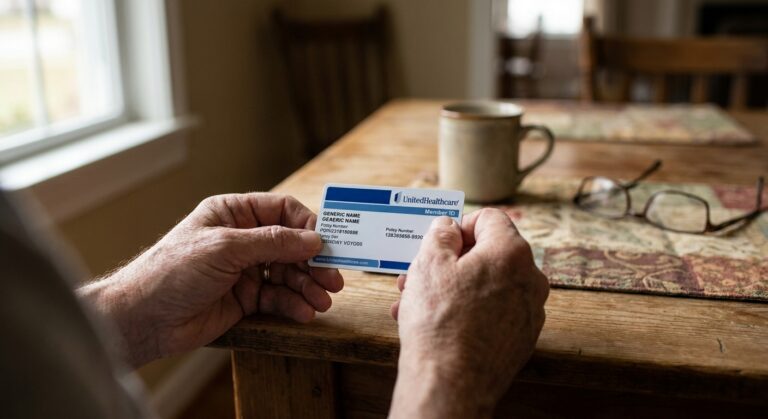

Many people assume they won’t be able to afford rehab because they’re unsure what their insurance will cover. In reality, most health insurance plans provide benefits for addiction treatment, but understanding exactly what’s covered can feel confusing. Coverage varies based on your insurance plan, the level of care you need, and the treatment provider you choose, so it’s normal to have questions before reaching out.
The encouraging news is that insurance covers addiction treatment far more often than many people realize. The important thing to understand is that covered doesn’t always mean completely free. Depending on your plan, there may be deductibles, copays, coinsurance, or preauthorization requirements. Knowing how your benefits work before you begin treatment can help you make informed decisions and focus on what matters most getting the care and support you need.
The Short Answer: Yes, Most Insurance Plans Cover Addiction Treatment
For most people, the answer is yes, health insurance covers addiction treatment. Federal laws have made substance use disorder treatment a standard part of health insurance coverage, helping more people access the care they need.
Two key laws made this possible:
- The Mental Health Parity and Addiction Equity Act (MHPAEA) requires insurance companies that offer mental health and substance use disorder benefits to provide coverage that’s comparable to coverage for other medical conditions. In other words, insurers generally can’t place stricter limits on addiction treatment than they do on treatments for conditions like diabetes or heart disease.
- The Affordable Care Act (ACA) strengthened these protections by making substance use disorder treatment an essential health benefit. As a result, most individual and small-group health insurance plans are required to include coverage for addiction treatment services.
That said, coverage doesn’t always mean treatment is free. Your out-of-pocket costs depend on the details of your specific insurance plan, including your deductible, copays, coinsurance, out-of-pocket maximum, and whether the treatment provider is in your insurance network. Verifying your benefits before starting treatment is the best way to understand what your plan covers and what costs, if any, you can expect.
What Levels of Care Are Typically Covered
Most insurance plans that cover addiction treatment will cover across the continuum of care but not always at the same rate or without prior authorization. Here’s how it typically breaks down:
- Medical detox — almost always covered when medically necessary, which it typically is for alcohol, opioids, and benzodiazepines
- Residential treatment (inpatient rehab) — covered by most plans; typically requires prior authorization and is subject to utilization review (meaning the insurer can periodically require clinical justification for continued stay)
- Partial Hospitalization Program (PHP) — covered by most commercial plans and Medicaid; prior authorization often required
- Intensive Outpatient Program (IOP) — broadly covered; often has fewer authorization hurdles than residential
- Standard outpatient therapy — covered by virtually all plans as a behavioral health benefit
- Medication-Assisted Treatment (MAT) — typically covered as both a medication benefit and a clinical service; coverage for specific medications (buprenorphine, naltrexone, methadone) varies by plan
In-network vs. out-of-network is where many people get caught off guard. Using an in-network facility dramatically reduces your out-of-pocket cost. Out-of-network facilities may still be covered, but at a lower rate or require you to meet a separate, higher deductible first. Always verify network status before committing to a facility.
Prior authorization is a pre-approval process insurers use before covering certain levels of care. Without it, claims can be denied. Most treatment facilities handle this on your behalf as part of the admissions process but it’s worth confirming that it’s being done.
To understand what’s available at each level of care in Cincinnati, explore the addiction treatment programs at TruHealing Cincinnati from residential through aftercare.
What Insurance Plans Typically Cover Rehab
Private / commercial insurance — Plans from BlueCross BlueShield, Aetna, Cigna, UnitedHealthcare, Anthem, Humana, and similar carriers generally cover addiction treatment under their behavioral health benefits. Coverage specifics vary by plan tier (Bronze, Silver, Gold, Platinum on ACA plans) and by employer-sponsored plan design.
Medicaid in Ohio — Ohio Medicaid covers a broad range of substance use disorder services, including assessment, outpatient treatment, residential treatment, and MAT. Coverage is available through managed care plans (CareSource, Molina, Buckeye, UnitedHealthcare Community Plan, and others). If you’re on Medicaid, you likely have more coverage available than you realize.
Medicare — Medicare Part A covers inpatient hospital-based detox and some residential treatment. Part B covers outpatient SUD services. Part D covers MAT medications. Coverage is more limited than commercial insurance, but it exists.
If you’re uninsured — options exist. Ohio’s Substance Abuse and Mental Health Services Administration (SAMHSA) administers block grant funding for treatment for uninsured and underinsured individuals. Some facilities offer sliding-scale fees. And the state’s Medicaid expansion under the ACA means many people who believe they don’t qualify for Medicaid actually do.
How to Find Out What Your Specific Plan Covers
The most important step and the one most people skip is actually verifying benefits before choosing a facility. Here’s how to do it effectively:
When you call your insurance company, ask these specific questions:
- Does my plan cover substance use disorder treatment?
- What levels of care are covered — detox, residential, PHP, IOP, outpatient?
- Is [facility name] in-network under my plan?
- What is my deductible, and how much of it have I met?
- What is my out-of-pocket maximum for behavioral health services?
- Is prior authorization required, and who handles that?
- Are there any day or visit limits on inpatient or outpatient treatment?
Write everything down, including the date of the call, the representative’s name, and the reference number. Insurance representatives can provide incorrect information, and having a record protects you if a claim is later disputed.
What a “benefits verification” means in practice: Most accredited treatment facilities will conduct a formal benefits verification on your behalf during the admissions process. This is a structured check that confirms coverage levels, in-network status, prior authorization requirements, and cost-share obligations much more thorough than a quick call to your insurer. It’s worth using this service rather than trying to navigate it yourself.
Frequently Asked Questions About Insurance and Rehab
Does insurance cover inpatient rehab specifically?
Yes — residential/inpatient treatment is covered by most commercial plans and Medicaid, typically subject to prior authorization and medical necessity review. The facility’s clinical team handles authorization in most cases. The key variable is whether the facility is in-network, which significantly affects your cost-share.
How do I check if a treatment facility is in-network?
You can check your insurer’s online provider directory, but it’s often more reliable to call the facility directly and ask them to verify in-network status with your specific plan. Network status can change, and online directories aren’t always current. A formal benefits verification, which most facilities offer at no charge, will confirm this definitively.
What if my insurance denies coverage for rehab?
Denials can be appealed and they often succeed, particularly when the denial is for a higher level of care that the clinical record supports. Your treatment facility’s case management or admissions team can typically assist with the appeals process. Under the MHPAEA, insurers are also required to explain why a mental health or SUD claim was denied in the same terms they would use for a medical claim, which gives you grounds for appeal if parity isn’t being applied.
Most people are surprised by how much their insurance actually covers, the barrier is usually finding out. TruHealing Cincinnati can verify your insurance benefits at no cost, typically within a few hours, so you know exactly what’s covered before you make any decisions. Call us at (513) 429-7900 or use our online verification form to get started.