If you have an Optum card in your wallet and you’re trying to figure out whether it covers rehab in Cincinnati, the answer is almost certainly yes, but the specifics depend on your plan and how you verify them. This guide walks you through exactly what Optum covers, how to confirm your benefits, and what to do before you commit to any program.
What optum actually is (and why it matters for your coverage)
Here is a number worth sitting with: UnitedHealth Group, Optum’s parent company, serves roughly 50 million people through its behavioral health network, making it one of the largest behavioral health benefit managers in the United States. That scale matters because Optum often operates behind the scenes on plans that carry entirely different names on the front of the card.
Optum is not an insurance carrier. It is a behavioral health benefits manager, meaning it handles the mental health and addiction treatment side of coverage for plans administered through UnitedHealthcare, employer self-funded plans, and other arrangements. Your card might say UnitedHealthcare, UMR, or your employer’s name, but Optum is the entity making authorization decisions on your rehab claim. If you do not know this distinction going in, you will spend time calling the wrong number and getting incomplete answers.
Recognizing this matters practically. The benefits verification process, the appeals process, and the provider directory search all route through Optum when Optum manages your behavioral health benefits, regardless of what your card says.
How to confirm optum is managing your behavioral health benefits
A 2023 survey by the Kaiser Family Foundation found that a significant share of insured adults cannot correctly identify who administers their behavioral health benefits, separate from their medical benefits administrator. The two are often different entities, and assuming they are the same leads to verification calls that go nowhere.
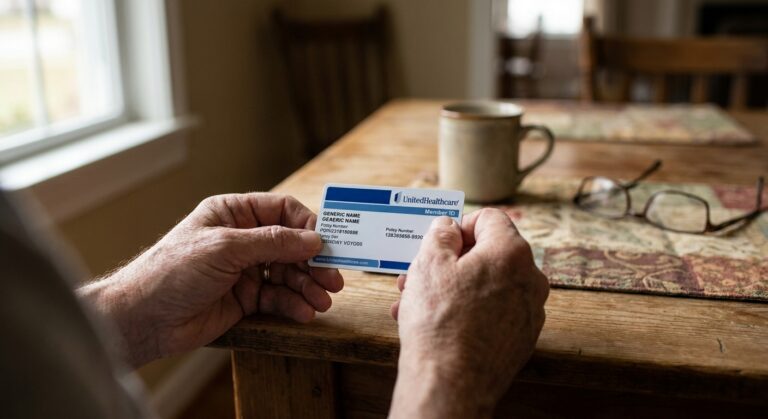
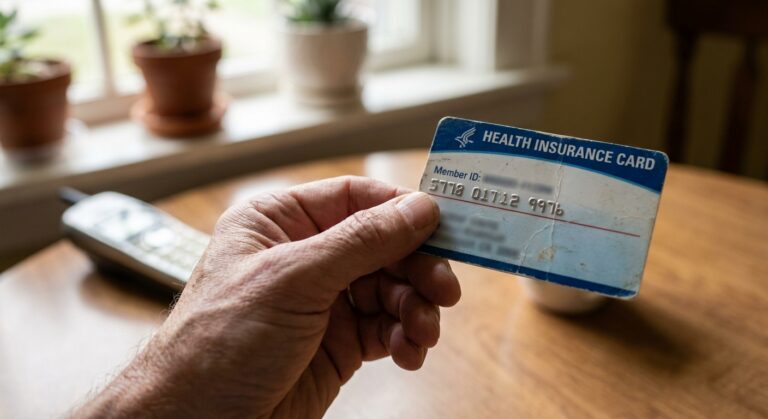
The most reliable way to confirm Optum manages your behavioral health is to flip your insurance card over and find the behavioral health or mental health phone number. Many cards list a separate line for mental health and substance use treatment. Call that number and ask directly: “Who manages my behavioral health benefits?” If the answer is Optum, ask for the Optum member services number and your member ID as it appears in their system.
You can also log into the Optum member portal at optum.com using your UnitedHealthcare credentials if your plan is UHC-administered, or check your plan’s summary of benefits document, which is required to name the behavioral health administrator. If you cannot find it, your employer’s HR department can confirm it in under five minutes.
The concrete action here: call the number on the back of your card today, ask who manages behavioral health, and get the direct behavioral health line before you call any Cincinnati facility.
What optum covers under addiction and mental health treatment
The Mental Health Parity and Addiction Equity Act, enacted in 2008 and strengthened through subsequent federal enforcement guidance, prohibits health plans from applying more restrictive coverage limits to behavioral health treatment than to medical or surgical care. A 2022 report from the U.S. Department of Labor found that parity violations remain common, but the law gives you enforceable rights. In plain language: Optum cannot cap your rehab days at a lower threshold than it would cap, say, cardiac rehabilitation days, if both are medically necessary.
What this means in practice is that Optum plans typically cover the full continuum of addiction and mental health care, from medical detox through residential treatment, partial hospitalization programs (PHP), intensive outpatient programs (IOP), and standard outpatient. Each level of care has its own clinical authorization criteria, and Optum uses utilization review to determine which level matches your current clinical needs.
The action step: when you call Optum’s behavioral health line, ask specifically which level of care your diagnosis qualifies for under your plan. Come prepared with your primary diagnosis and any co-occurring conditions, because Optum’s criteria are diagnosis-specific.
Detox and residential treatment
Medical detox and residential treatment represent the most intensive levels of care and carry the most rigorous authorization requirements. Optum typically requires prior authorization before admission to either level, and its utilization review team will request clinical documentation supporting medical necessity, which means documented withdrawal risk, severity of dependence, or safety concerns that require 24-hour supervision.
Length-of-stay authorizations for residential treatment are usually issued in short increments, often three to seven days at a time, with continued stay reviews required to extend coverage. This is not a denial strategy; it is standard utilization management practice across virtually all commercial insurance plans. The facility’s clinical team submits continued stay documentation, and Optum reviews it. For questions about what detox coverage specifically looks like under your plan, the verification process described below will give you the clearest answer before admission.
Partial hospitalization and intensive outpatient programs
PHP and IOP are the levels of care most commonly authorized for co-occurring addiction and mental health treatment, and they represent the majority of Optum-covered behavioral health days. PHP typically runs five days per week for several hours per day, with IOP running three to five days per week at a lower daily hour threshold. Optum authorizes these levels based on criteria that include symptom severity, risk of relapse or decompensation without structured support, and the absence of safety concerns requiring inpatient care.
Cincinnati-area facilities offering PHP and IOP for co-occurring disorders are well positioned for Optum authorization because the clinical model aligns directly with Optum’s evidence-based criteria. The key is ensuring the facility submits the right clinical documentation at the outset, which experienced programs do as a matter of standard intake procedure.
What “in-network” means for cincinnati rehab facilities
According to a FAIR Health analysis of commercial insurance claims, out-of-network behavioral health treatment can cost plan members two to three times more in out-of-pocket expenses compared to in-network care, after accounting for deductibles and co-insurance differentials. The gap exists because in-network providers have negotiated rates with Optum, while out-of-network claims are reimbursed at a percentage of the allowed amount, leaving a larger balance for the member.
PPO plans, which Optum administers for many employer-sponsored and individual market enrollees, do allow out-of-network access. You are not locked into a specific network the way you are with an HMO. But the financial difference between in-network and out-of-network is real enough that verifying network status before admission is worth the phone call.
For Cincinnati-area facilities, understanding how PPO plans handle rehab access helps you ask the right questions during verification. The action here: use the Optum Find Care tool at optum.com or call behavioral health member services to confirm whether a specific Cincinnati facility participates in your plan’s network before you commit.
How to get a benefits verification before you commit to a program
A 2022 Commonwealth Fund study found that 37% of insured adults received an unexpected medical bill in the prior year, with a significant share attributing the surprise to not verifying coverage before receiving care. In behavioral health specifically, the stakes are higher because treatment episodes span days to weeks and involve multiple authorization checkpoints.
A benefits verification call with Optum covers the information you actually need to make a financial decision: your current deductible balance, your out-of-pocket maximum and how much of it you have met, your co-insurance rate for the specific level of care, whether prior authorization is required and what that process looks like, and how many days are typically approved at first authorization. Getting all of this in writing, not just as a verbal summary, protects you if billing disputes arise later.
Reputable Cincinnati rehab programs handle this verification on your behalf at no cost as part of the admissions process. When you contact a facility, ask them to run a full insurance verification and provide you with a written benefits summary before your admission date. Any facility that is reluctant to do this is a facility worth being cautious about.
Questions to ask optum before starting treatment
The four questions that matter most during a benefits verification call are these. First: is this specific facility in-network under my plan? Second: what is my current deductible balance, and does it apply to behavioral health separately or combine with medical? Third: what is my co-insurance rate for residential treatment, PHP, and IOP specifically? Fourth: is prior authorization required, and who submits it? Fifth: how many days does Optum typically approve at initial authorization for the level of care being requested?
These questions cut through the general coverage summary and get to the specific numbers that determine your out-of-pocket exposure. Write down the answers, ask for the representative’s name and a reference number, and request that the summary be sent to you in writing or through the member portal.
Why optum may deny coverage (and how to fight it)
A 2023 report from the Senate Finance Committee on behavioral health insurance practices found that major commercial insurers denied behavioral health claims at meaningfully higher rates than medical claims, despite federal parity requirements. Optum, as the country’s largest behavioral health administrator, is not exempt from this pattern.
The most common denial reasons are: lack of medical necessity documentation (the clinical record did not meet Optum’s criteria at that level of care), failure to obtain prior authorization before admission, and out-of-network status combined with a plan that requires network-based care. None of these denials are final. Every Optum member has the right to an internal appeal, and if the internal appeal fails, to an independent external review under federal law.
If you receive a denial, request it in writing immediately. The denial letter must state the specific clinical reason and cite the criteria Optum applied. Ask the facility’s utilization review team to file the internal appeal on your behalf; experienced programs do this routinely and know which clinical documentation gaps to address. For context on how other major carriers handle rehab coverage decisions in Cincinnati, the appeals framework is broadly similar across commercial plans.
What to do if your optum plan has coverage gaps
According to SAMHSA’s 2022 National Survey on Drug Use and Health, approximately 21.5 million people in the United States needed substance use treatment but did not receive it, with cost and coverage gaps as primary barriers. That number exists not because treatment is unavailable but because people stop pursuing options when coverage runs short.
When Optum coverage runs out mid-treatment or a specific service falls outside your covered benefits, several practical options remain. Many Cincinnati-area facilities offer sliding-scale fees based on income, scholarship programs funded through private donations, or financing arrangements that allow you to continue treatment while paying the balance over time. These options are not widely advertised, but they exist and are worth asking about directly.
The action: when you contact any Cincinnati facility, ask specifically whether they offer financial assistance, scholarship funding, or payment plans for balances not covered by Optum. Ask before admission, not after.
How to find an optum-covered rehab in cincinnati
A 2020 study in the Journal of Substance Abuse Treatment found that treatment matching, placing patients at the clinically appropriate level of care for their specific diagnosis and severity, significantly improved both completion rates and sustained recovery outcomes. The right level of care matters as much as the right facility.
Start with the Optum Find Care tool at optum.com/find-care. Filter by behavioral health, then by specialty: look for co-occurring disorders, dual diagnosis, and substance use treatment. Cincinnati and surrounding Hamilton County return a list of participating providers with contact information. Call Optum’s behavioral health line directly if the directory does not surface what you need, because representatives can search the network with more granularity than the public tool.
If a specific Cincinnati facility is not in your plan’s network but is the right clinical fit, ask Optum about a single-case agreement. These are negotiated arrangements where Optum agrees to cover an out-of-network provider at in-network rates for a specific treatment episode, typically when no in-network provider offers the necessary specialty services. Not every plan allows them, but they are worth requesting.
Facilities like TruHealing Cincinnati accept PPO and private insurance plans and work with Optum along with other major carriers including UHC, BCBS, Aetna, Cigna, and others. If you are exploring how different carriers handle rehab coverage in this region, the verification process is the same starting point regardless of which plan you carry.
What to try this week
Call the behavioral health number on the back of your Optum insurance card. Ask who manages your behavioral health benefits and confirm it is Optum. Then request a benefits verification for residential treatment, PHP, or IOP at a Cincinnati facility. This is a fifteen-minute call that replaces weeks of uncertainty with concrete numbers: your deductible balance, your co-insurance rate, and whether the facility you are considering is in-network. Everything else, appeals, financial assistance, level-of-care decisions, follows from knowing those answers. Make the call before any other step.
Frequently asked questions
Does optum cover rehab in cincinnati?
Optum-administered plans cover addiction and mental health treatment including detox, residential, PHP, and IOP in Cincinnati. The specific coverage details depend on your individual plan, your deductible status, and the facility’s network status under your plan. A benefits verification call confirms the numbers that apply to your situation.
How do I know if optum manages my behavioral health benefits?
Call the mental health or behavioral health phone number on the back of your insurance card and ask directly who administers your behavioral health benefits. Your card may say UnitedHealthcare or another carrier name, but Optum handles behavioral health for many of these plans. Your plan’s summary of benefits document also names the behavioral health administrator.
Does optum require prior authorization for rehab?
Yes, Optum requires prior authorization for residential treatment and medical detox, and typically for PHP and IOP as well. The facility’s clinical and admissions team handles the authorization submission. Starting treatment without authorization is the most common reason claims are denied, so confirm this step is complete before admission.
What if optum denies my rehab claim?
Request the denial in writing, which must include the specific clinical reason and the criteria Optum applied. You have the right to file an internal appeal and, if that fails, to request an independent external review. Ask the facility’s utilization review team to manage the appeal process on your behalf; they have experience with Optum’s documentation requirements.
Can I use optum benefits at an out-of-network cincinnati rehab?
PPO plans administered by Optum generally allow out-of-network access, but at higher out-of-pocket cost. In some cases, you can request a single-case agreement with Optum to cover an out-of-network facility at in-network rates if there is a clinical justification. Verify both the facility’s network status and your plan’s out-of-network benefits before making a decision.
Does optum cover co-occurring mental health and addiction treatment?
Yes. Federal parity law requires that Optum cover co-occurring mental health and substance use treatment under the same standards as medical care. PHP and IOP programs that treat both conditions simultaneously are commonly authorized under Optum plans when the clinical documentation supports the level of care requested.