You are still working, still covering for it, still telling yourself it has not crossed the line yet. The part of you reading this already knows where it goes if nothing changes.
The Problem Was Never That You Did Not Want It Badly Enough
You have probably white-knuckled it before. Cut back, set rules, held the line a while, and watched it come back anyway. That is not proof that you are the kind of man treatment does not work on. It is what happens when a substance rewires how your brain handles stress, pain, and relief, which is the point where willpower stops being enough and medicine and clinical work start to matter.
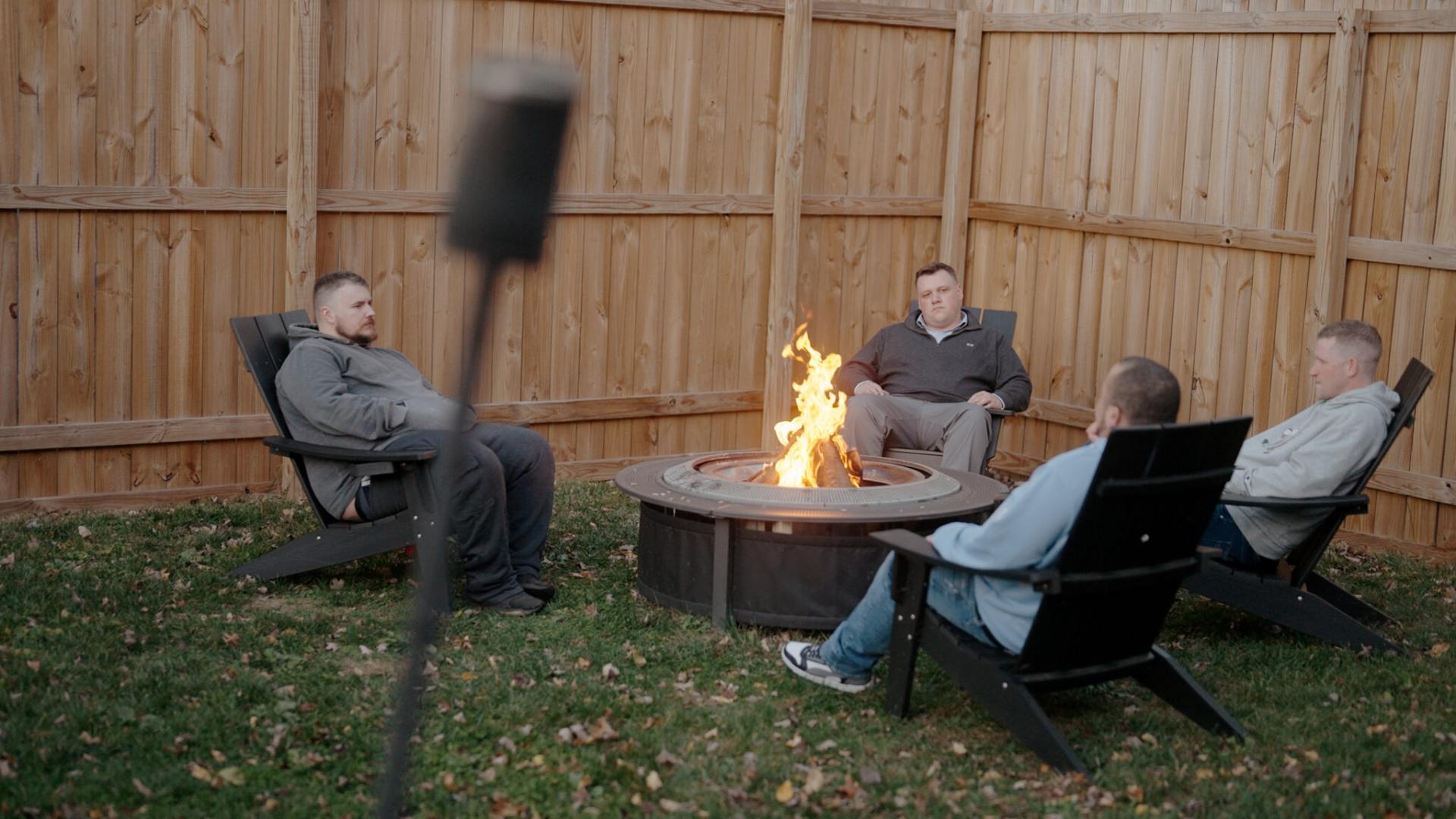
The people treating you here understand that mechanism because they treat it every day. We go after the substance and the reasons underneath it at the same time, because treating one without the other is why it did not hold before. And we treat men only, on purpose, so the room is full of men carrying the same weight instead of performing for an audience.
Your Path From the First Day to the Day You Walk Out Sober
You are not signing up for a mystery. Recovery here follows a clear path, and you move through it with the same team the whole way, stepping down as you get stronger instead of getting discharged to a stranger. Here is what each level gives you.
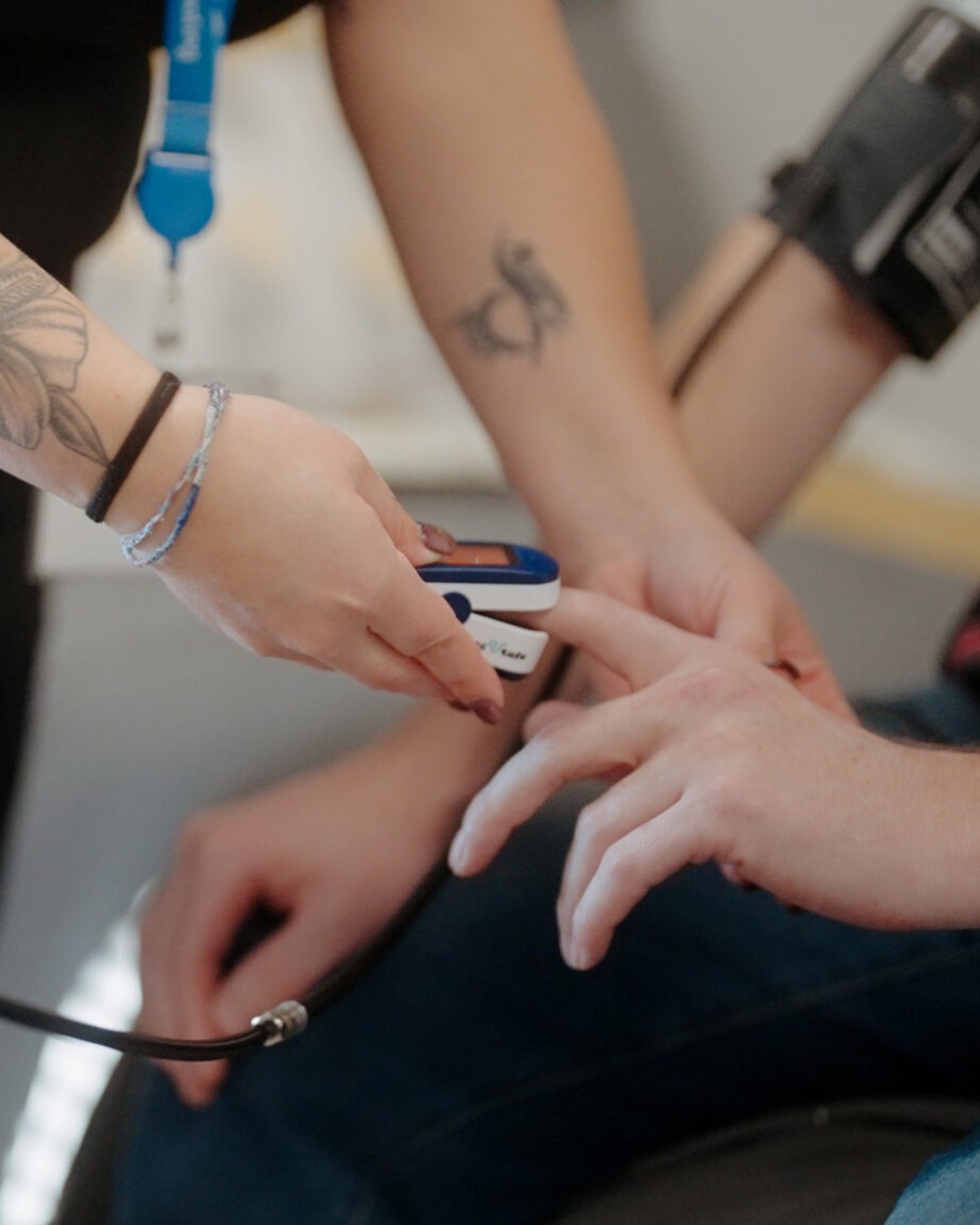
A physician manages your withdrawal with monitoring and medication around the clock. This is the part most men quietly dread, and handling it with real medical care is the difference between white-knuckling through it again and coming out stable, clear-headed, and ready for the actual work.
You step out of the environment that keeps pulling you back and into full days built around your recovery. Individual therapy to get at the root, group work with men who understand what you are describing, and clinical care for the trauma or depression the drinking was covering. Your only job is getting well.
Full clinical days with the structure still in place, so you build the muscle of a sober life while you still have support to catch what trips you up. This is the stage that keeps early progress from unraveling once real life gets loud again.
When you leave, the door does not close behind you. An active alumni program means you walk out with people in your corner instead of back into the silence you came from.
Your Path From the First Day to the Day You Walk Out Sober
You are not signing up for a mystery. Recovery here follows a clear path, and you move through it with the same team the whole way, stepping down as you get stronger instead of getting discharged to a stranger. Here is what each level gives you.
Men come in convinced their situation is the one nobody has seen before. It rarely is. What you have been using has a hold that is medical, not moral, and we treat the full range of it, along with the anxiety, depression, or trauma usually feeding it.
Plenty of programs put you in a circle of chairs and call it treatment. Talking about a bad week does not change how your brain answers a craving at 2 a.m. What changes it is clinical work with real evidence behind it, delivered by people who do this every day, and measured against a national bar. That is what Joint Commission accreditation means, and it is a standard many programs in this region have never earned. Here is what you actually work with.
Cognitive and Dialectical Behavior Therapy
Interrupt the thoughts and emotional swings that drive the drinking or using, and build the skills that hold under pressure.
Accelerated Resolution Therapy
Process the trauma the substance was covering, so old experiences stop steering current choices.
Spravato for Treatment-Resistant Depression
For men whose depression never responded to standard antidepressants, delivered under medical supervision.
Individual and Group Counseling
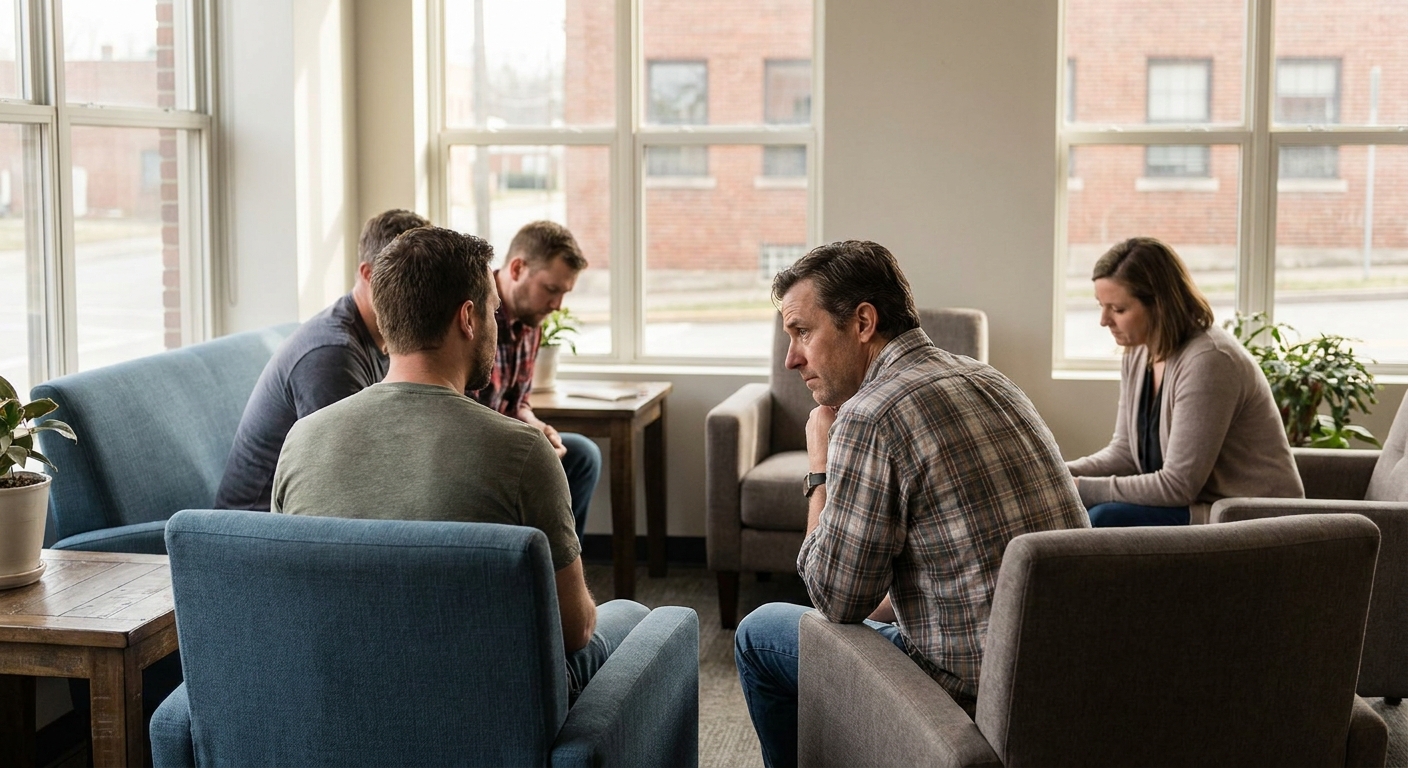
Get to the root one on one, then practice it in a room of men who understand exactly what you are carrying.
Family Programming
Repair the relationships the addiction strained, because the people around you shape whether this holds.
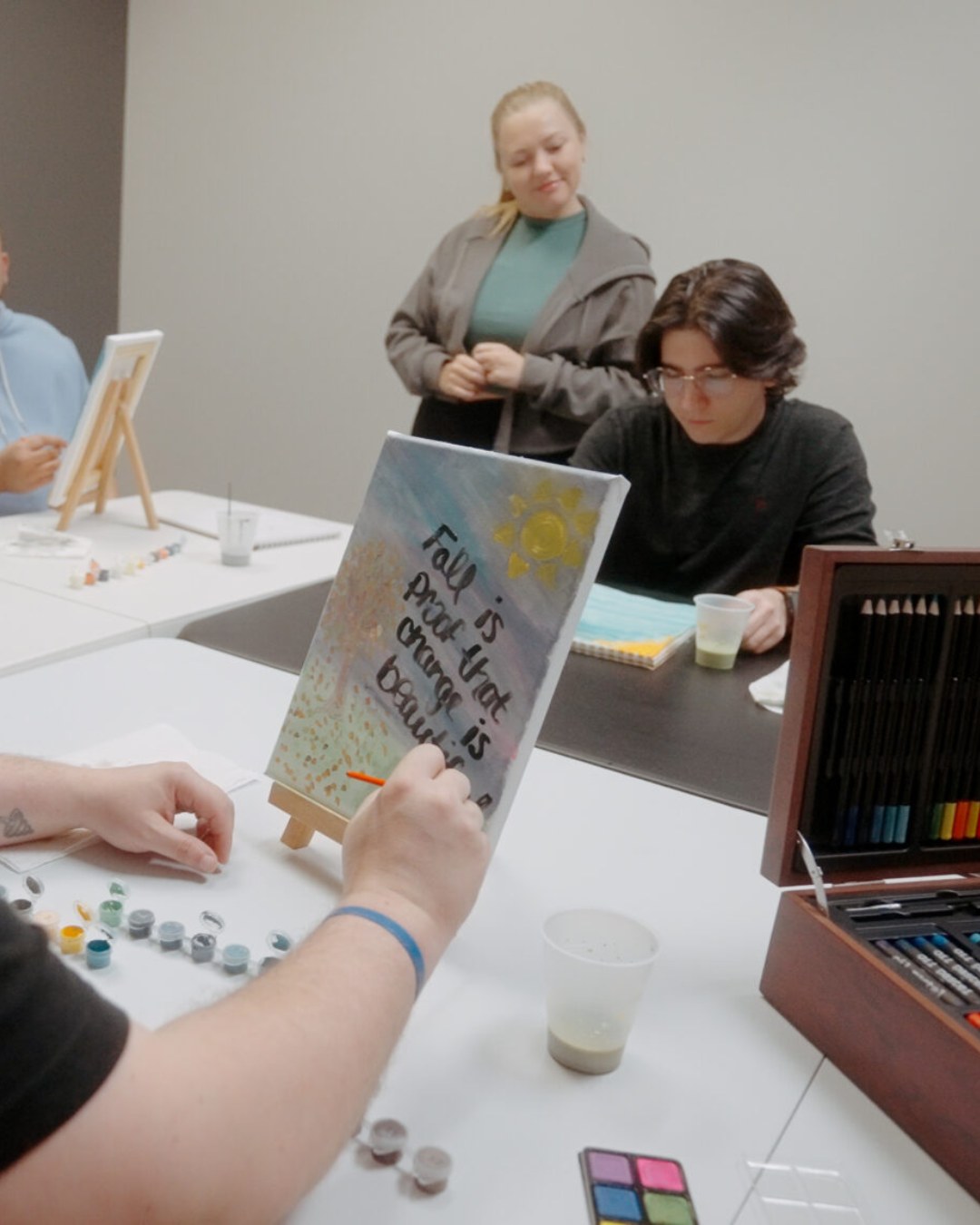
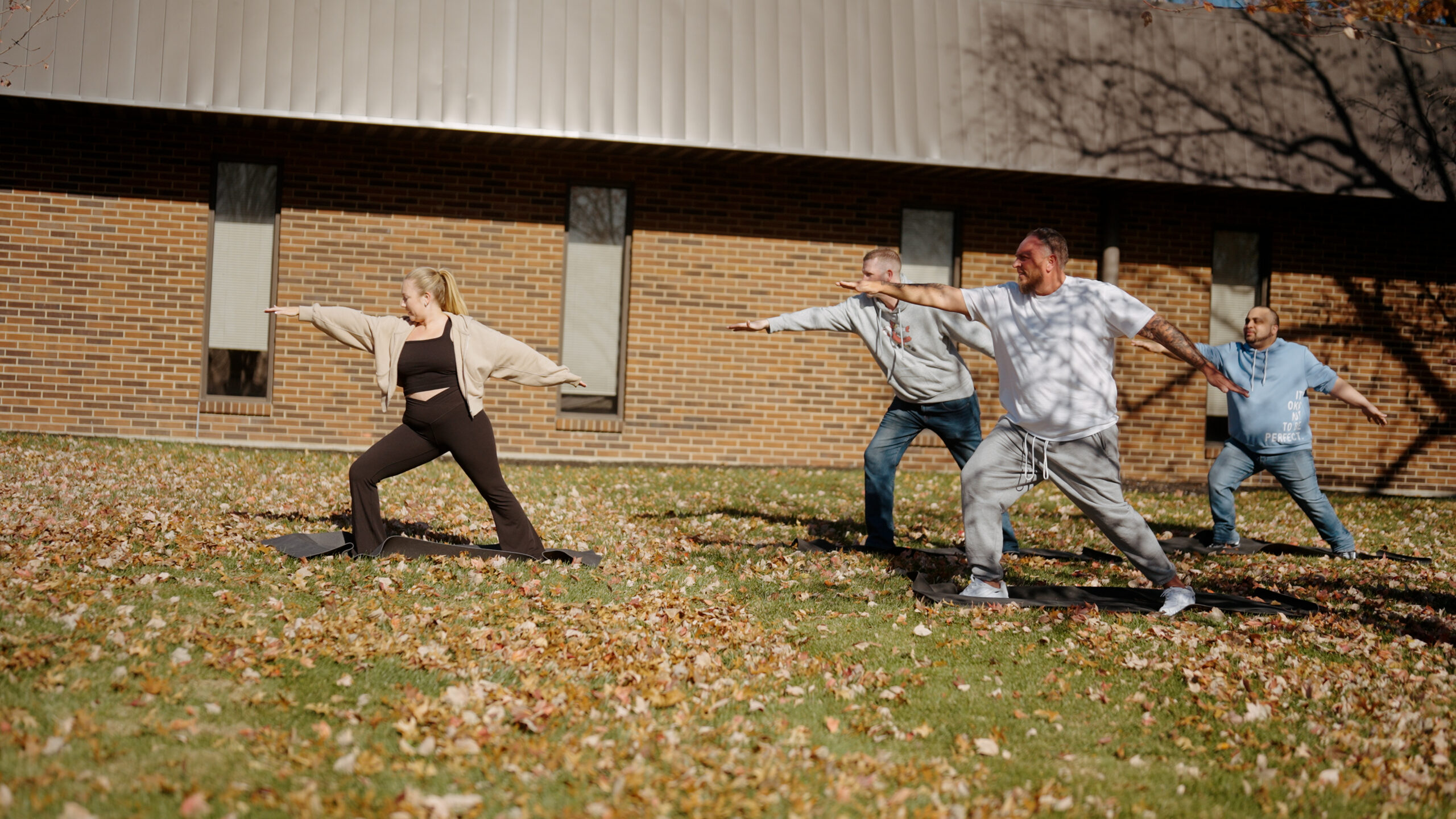
Fitness and Holistic Care
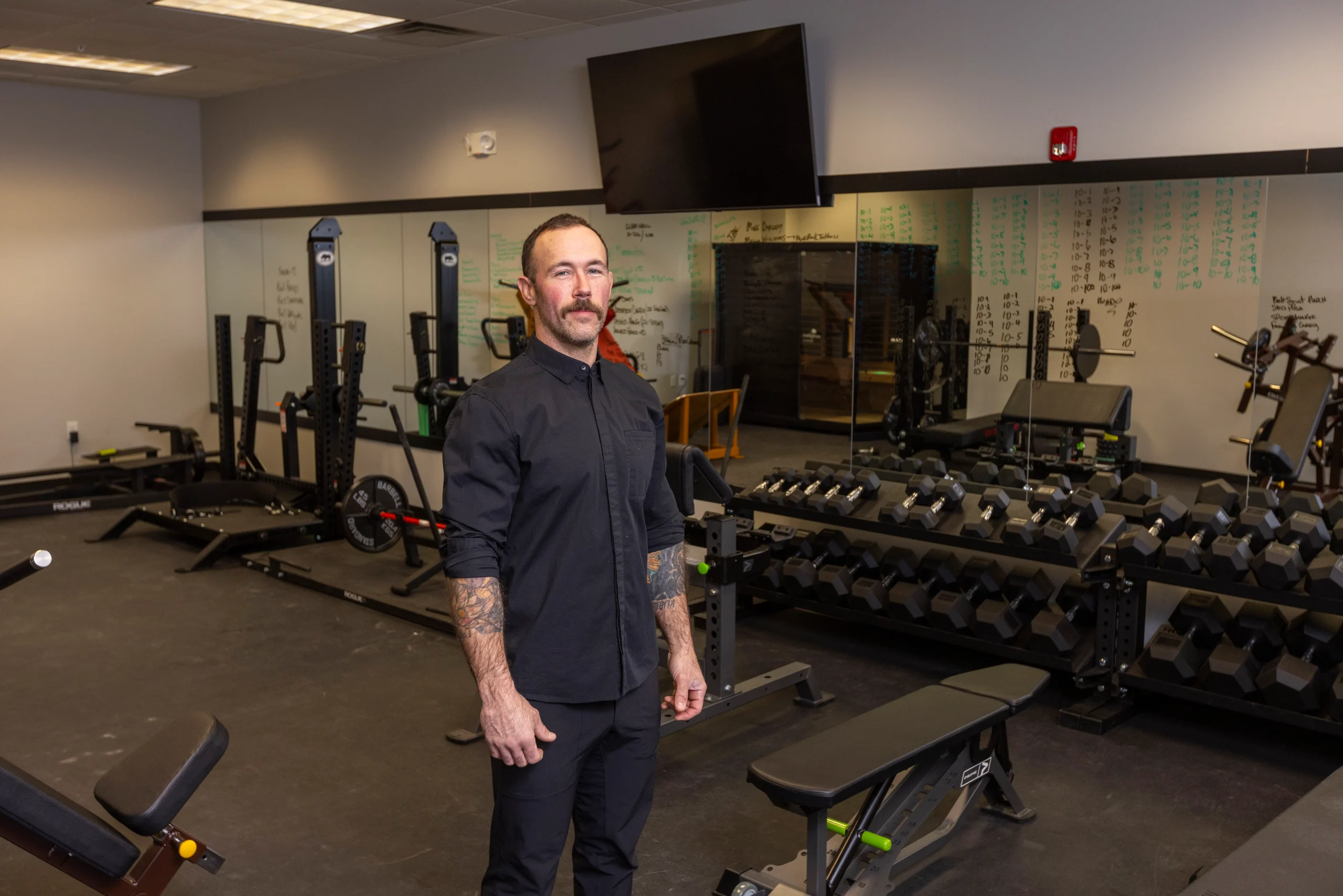
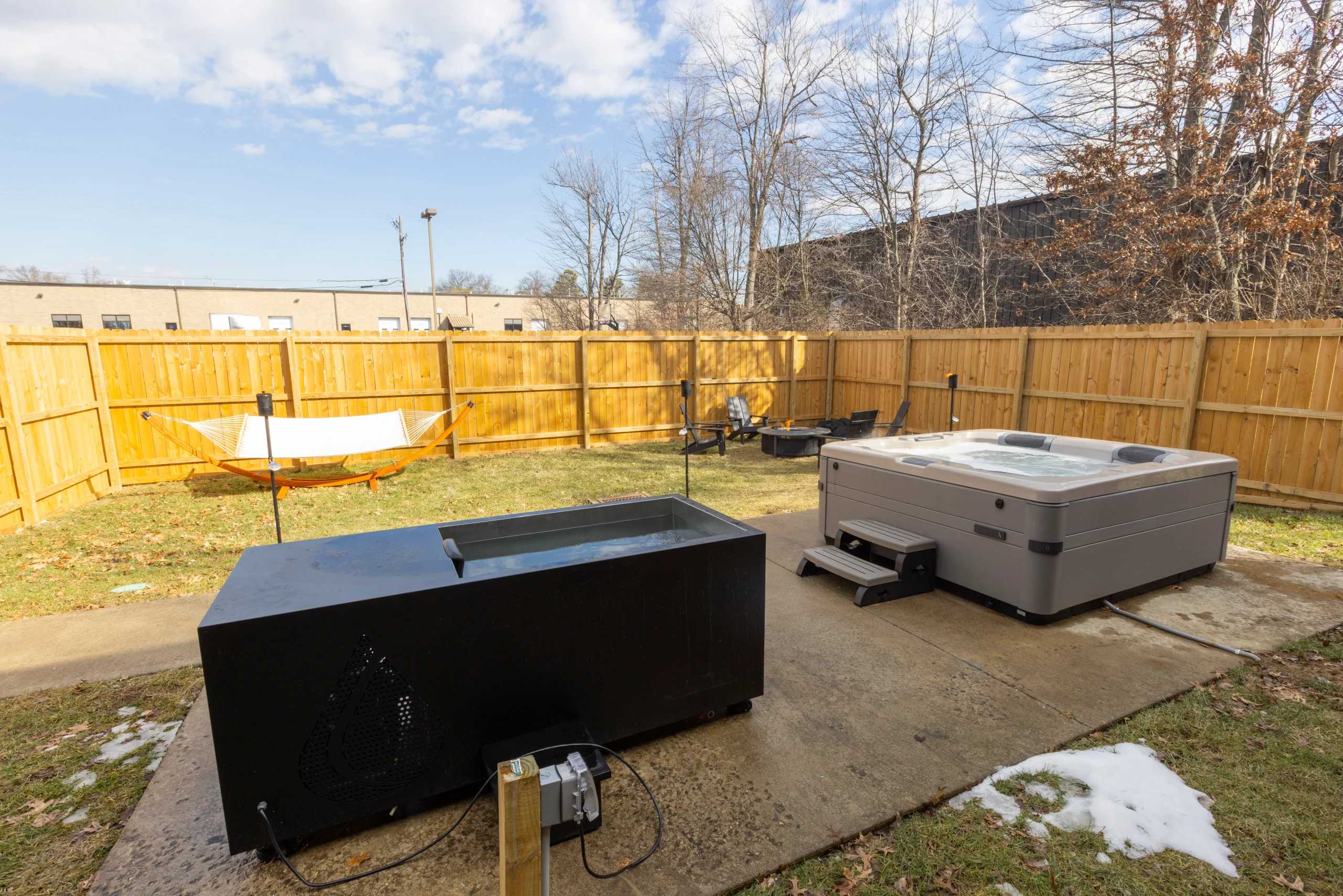
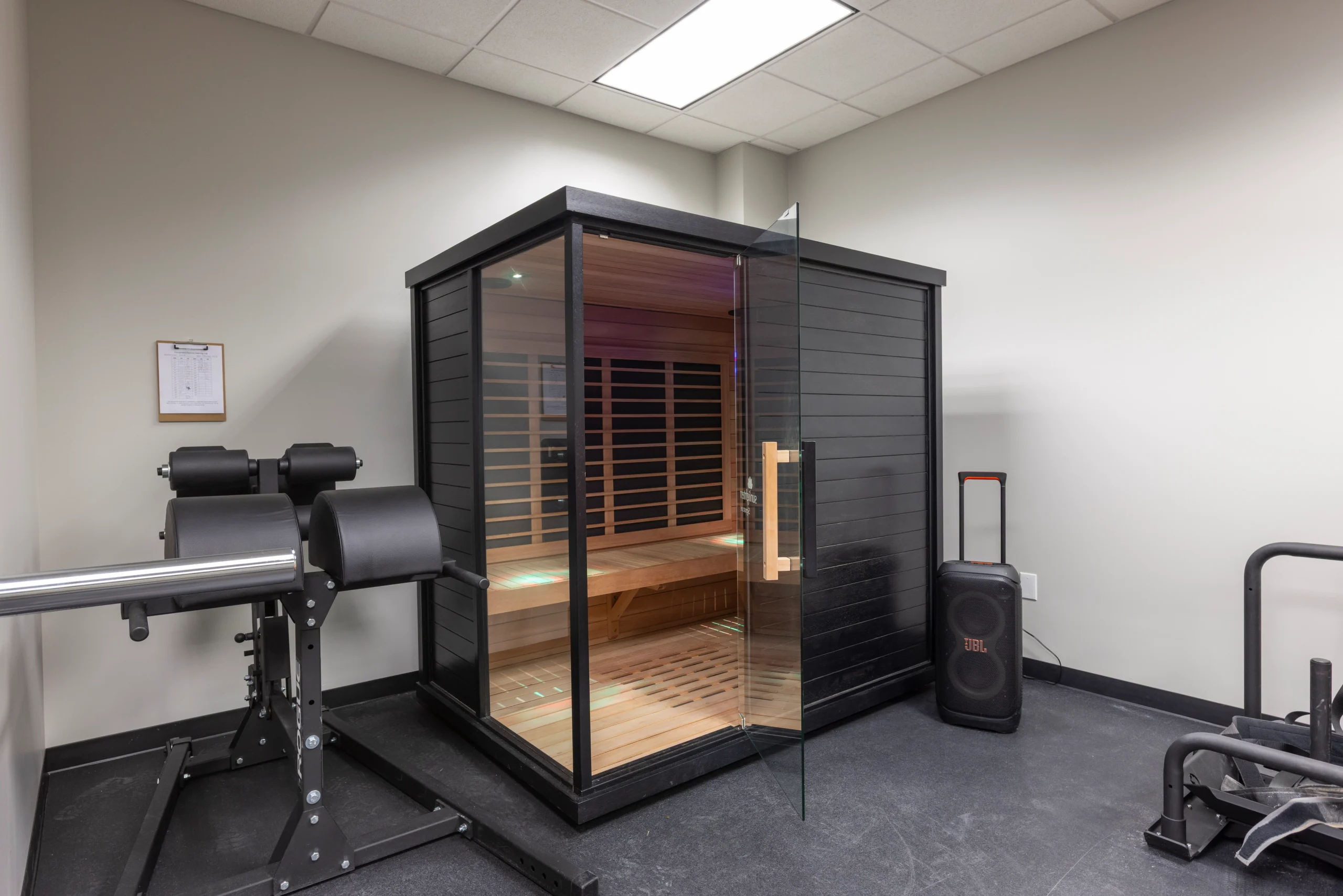
Personal training and whole-body support, because for a lot of men, getting your body back is part of getting your life back.
Testimonials
Posted on Google
William Wells
Trustindex verifies that the original source of the review is Google.
Facility is great. All the staff does a wonderful job.
Posted on Google
Tyson Cargal
Trustindex verifies that the original source of the review is Google.
Working in the field it’s sometimes difficult to find quality referral sources, and we utilize TruHealing every chance we get. I believe in their program and their staff. Great job, team!!!!!
Posted on Google
Ty Baker
Trustindex verifies that the original source of the review is Google.
Michael D is always willing to go above and beyond to help people.
Posted on Google
Emily Bennett
Trustindex verifies that the original source of the review is Google.
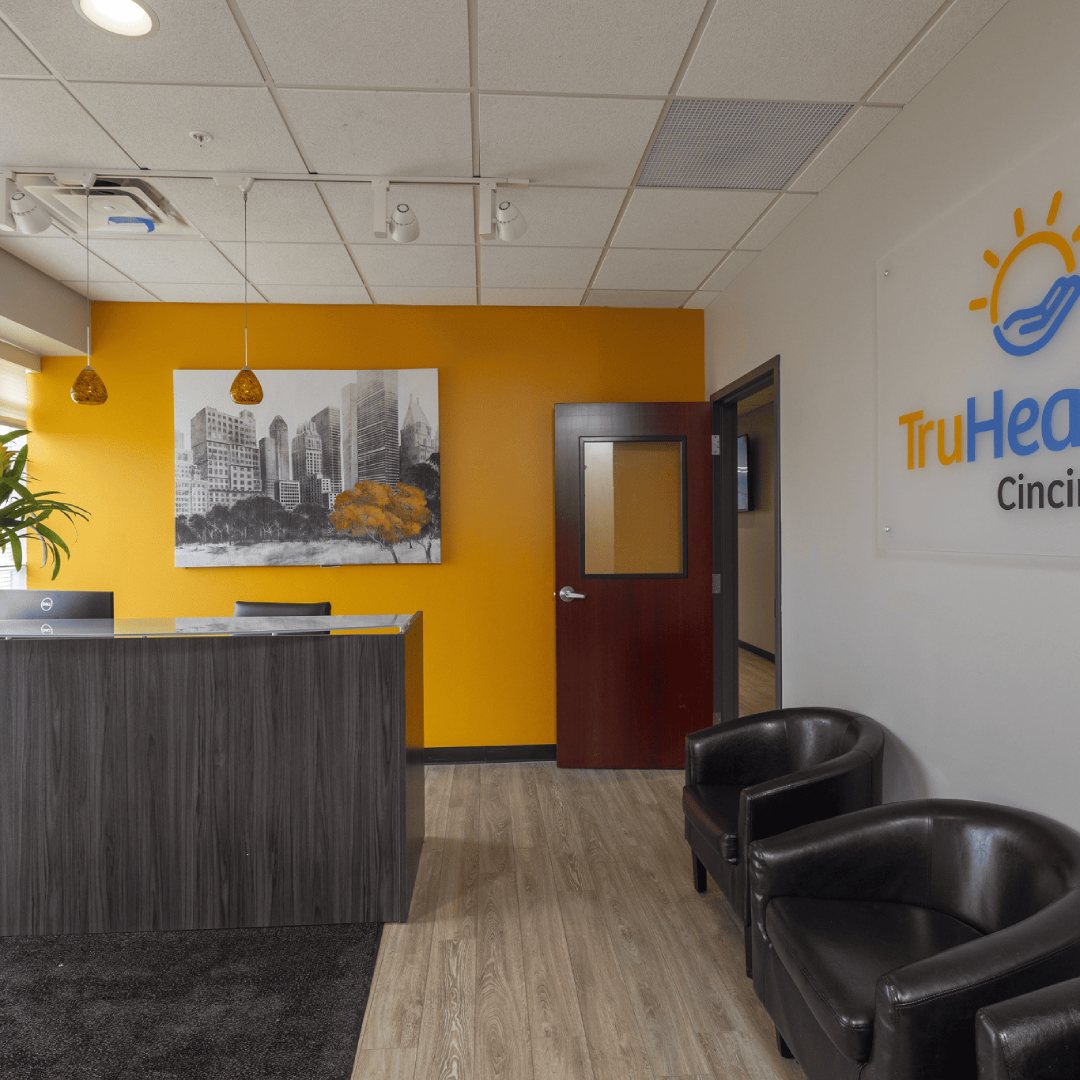
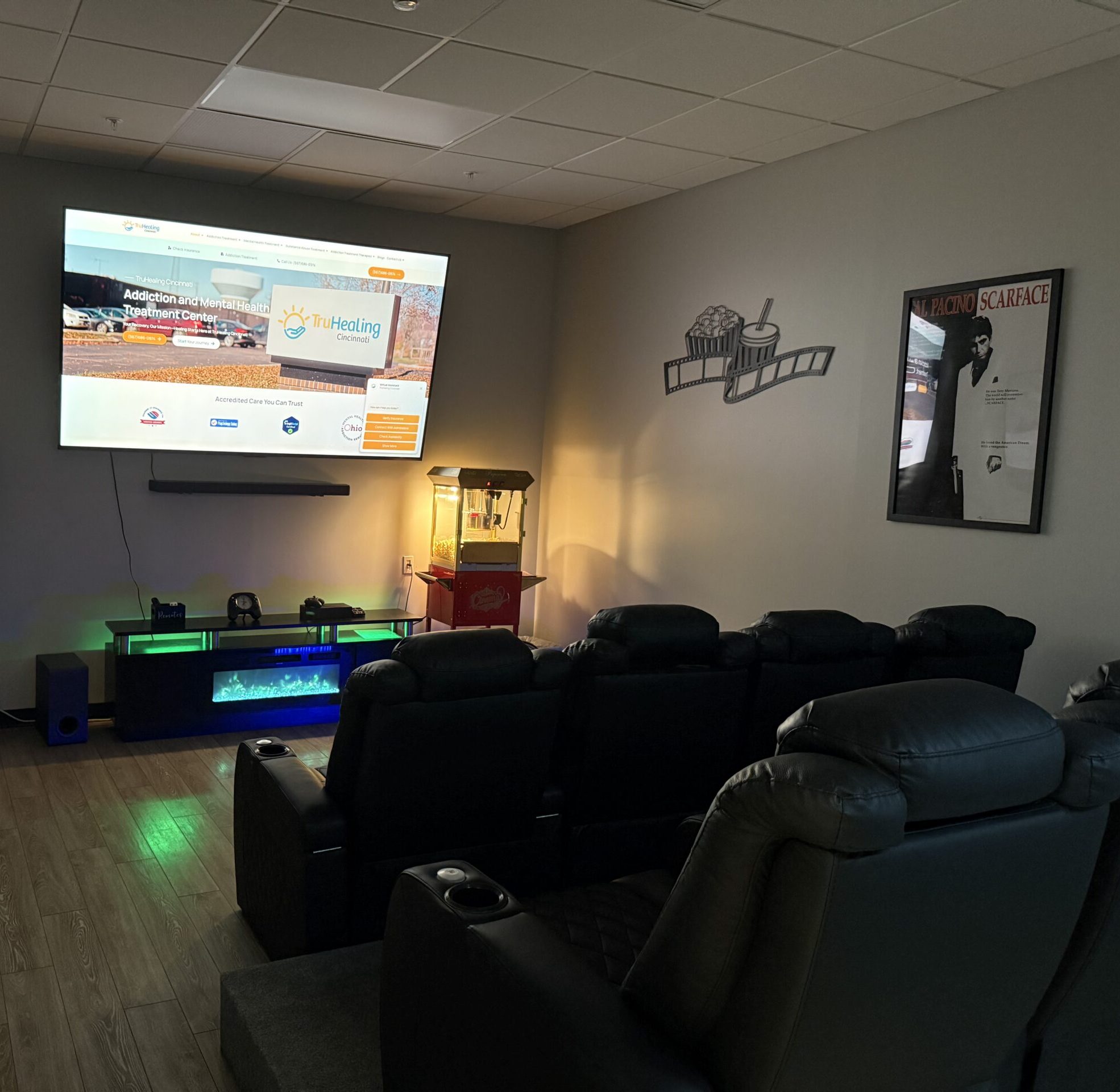
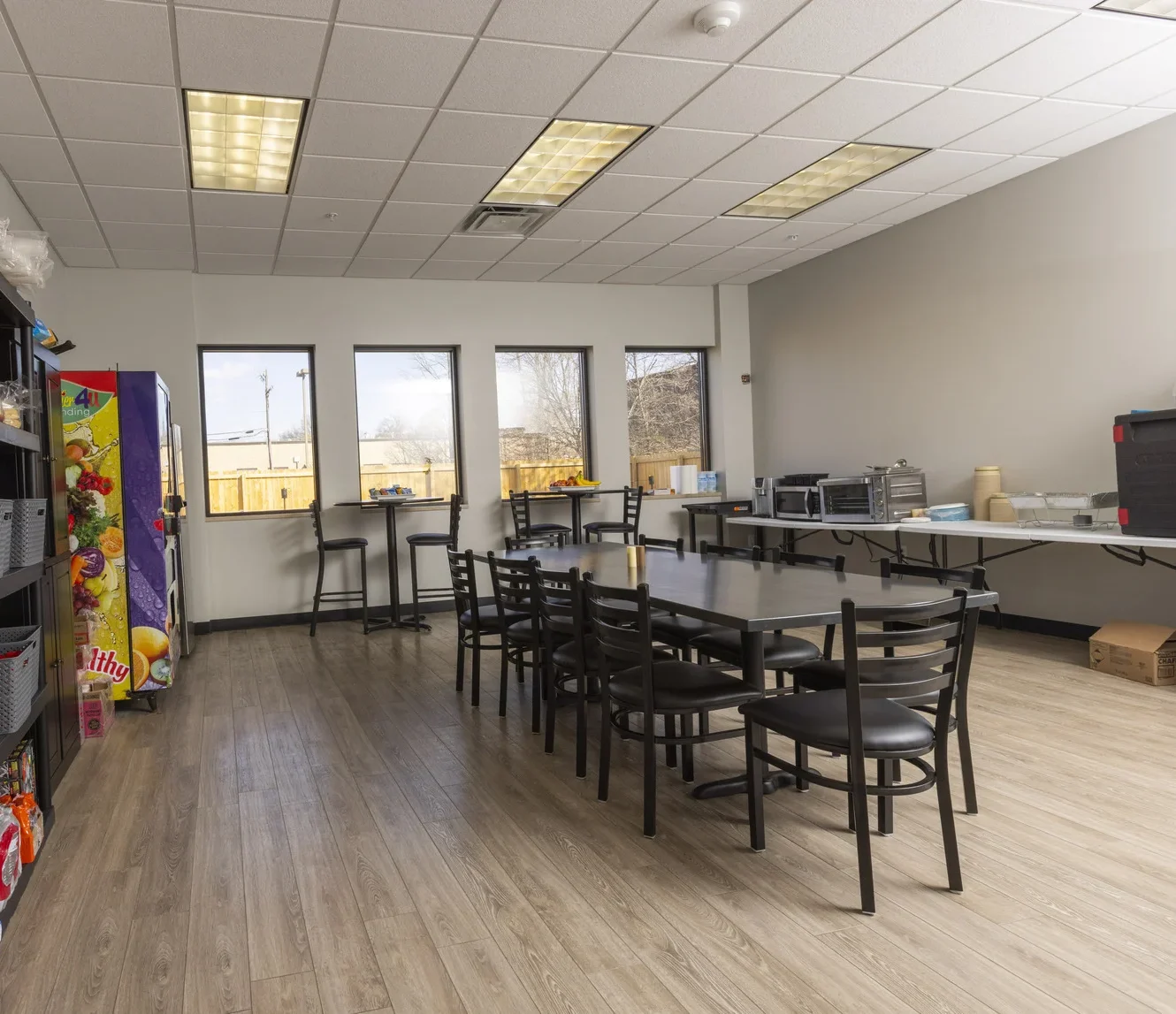
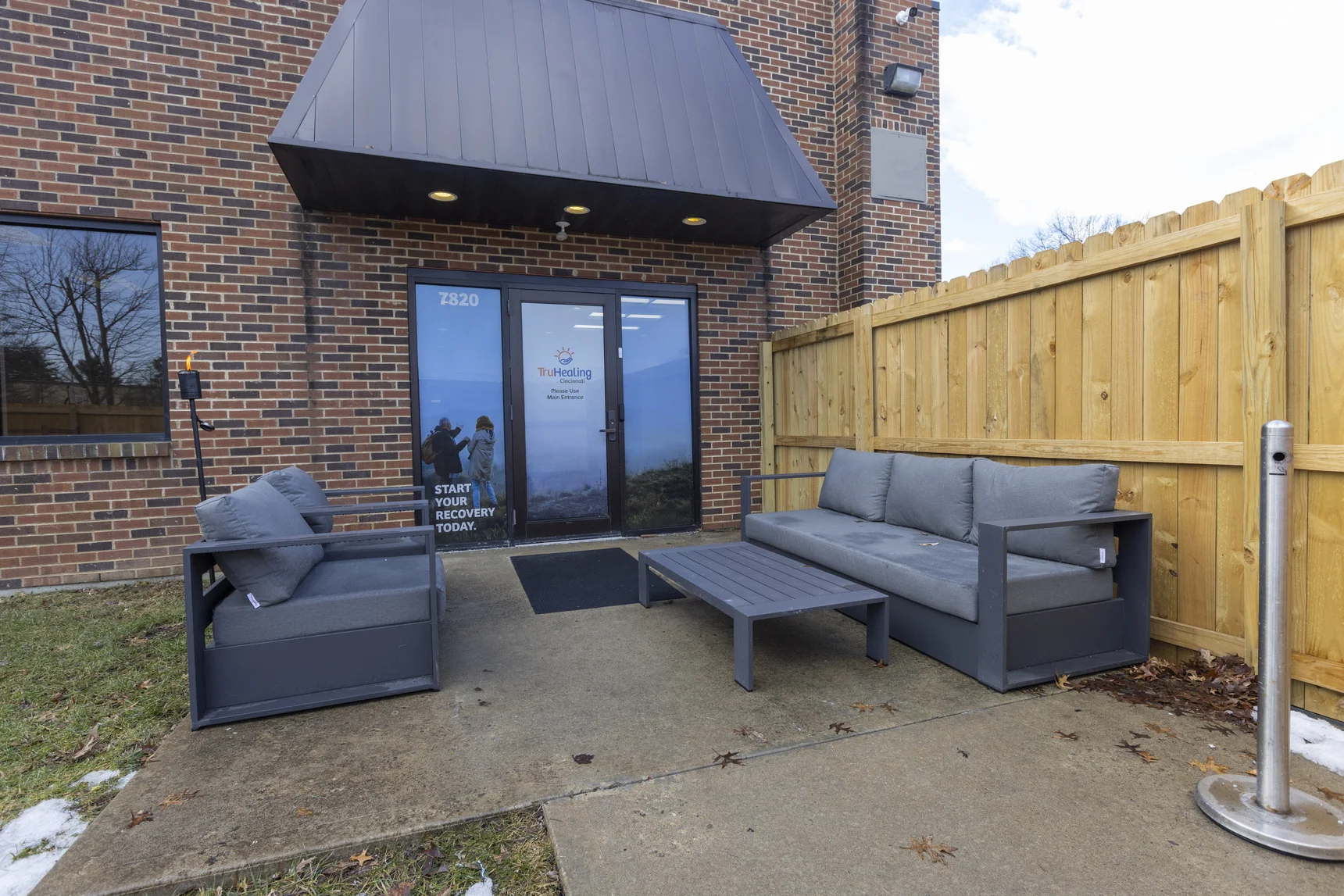
There isn’t a facility as nice as TruHealing in the Cincinnati area. They provide not only professional and compassionate care, but also a sense of hope and understanding that makes all the difference in the recovery process. The programs are well-structured, supportive, and focused on long-term success. The environment is safe, respectful, and encourages real growth and healing.
Posted on Google
McNeil Ryan
Trustindex verifies that the original source of the review is Google.
Just what I needed at the right time and gave me the space and support I needed. Excellent facility helps. Oh, and great food to boot.
Posted on Google
Mark Mendoza
Trustindex verifies that the original source of the review is Google.
Great place!! The staff was awesome!! And they really care and want what's best for you. Carli in particular was amazing tirelessly working to make sure everyone was comfortable and our needs were met! I'm grateful I got to come here. You honestly won't find a better facility.
Posted on Google
Emma Rosebrock
Trustindex verifies that the original source of the review is Google.
Great facility with great care!
Posted on Google
Kayla Stuckwisch
Trustindex verifies that the original source of the review is Google.
Beautiful facility with generous and caring employees.
Posted on Google
Emily Goode
Trustindex verifies that the original source of the review is Google.
5 star facility with 5 star care!
Posted on Google
Dayna Mills
Trustindex verifies that the original source of the review is Google.
Working with Matt Ward is a pleasure. He makes the referral process a breeze and I’m left knowing any client at TruHealing is in good hands! The facility is absolutely beautiful and every person’s dream destination in Ohio to heal in.