
I didn’t have some dramatic breaking point.
No big collapse. No crisis that forced me into a decision.
It was quieter than that—almost invisible from the outside.
Just a slow fading of my desire to exist, like the dimmer switch was turning down inside me a little more every day.
What people don’t always understand is that suicidal thoughts aren’t always loud. Sometimes they’re soft. Almost whisper-like. A thought you don’t choose, but one that lingers.
I didn’t want to die.
I just didn’t know how to keep living like this.
And somehow, in that haze, I made the smallest choice that changed everything:
I reached out.
That moment—clumsy, shaky, and far from confident—eventually led me to a residential treatment program in Cincinnati that held me together when I couldn’t hold myself.
When Everything Got Quiet in a Way That Scared Me
People assume the scariest moments are loud.
Mine were silent.
I’d sit in bed longer each morning.
Not crying. Not panicking. Just… still.
Too still.
The kind of stillness where existing feels like a task you don’t have the energy to manage.
I wasn’t making plans.
I wasn’t imagining anything violent or dramatic.
I just couldn’t feel myself wanting to be here.
It was like being underwater but still doing all the things you’re supposed to do. Shower. Work. Smile. Respond.
No one would’ve known.
I barely knew.
But at night, lying there in the dark, a single thought kept looping:
“I don’t want to die. I just want this version of living to stop hurting.”
I didn’t know what to do with that.
I only knew it was getting heavier.
The Message I Sent That Kept Me Here
People talk about reaching out like it’s a single brave decision.
For me, it was more like a stumble.
I typed a message to someone—nothing deep.
Just: “Hey. Are you up?”
Then I deleted it.
Then typed it again.
Then stared at it for twenty minutes before hitting send.
There was no confession. No explanation.
Just a tiny flare into the dark, hoping someone would notice.
They responded.
And their response wasn’t magical or perfect—it was just presence.
And that was enough to interrupt the spiral.
Even if I didn’t know it then, that was the moment I chose staying, even if just for one more hour.
That one hour became a day.
That day became a week.
And eventually, it became the clarity I needed to say, “I think I need more help.”
That’s how I found residential treatment—not from certainty, but from exhaustion and a fragile hope that something might help me hold on.
What I Expected Residential Treatment to Be (and What It Actually Was)
Honestly?
I expected something cold.
I pictured fluorescent lights, hard chairs, and the feeling of being watched.
I imagined being asked to “be positive” before I was ready.
But TruHealing Cincinnati wasn’t anything like that.
It felt more like a soft landing than a hospital.
Real people. Gentle expectations.
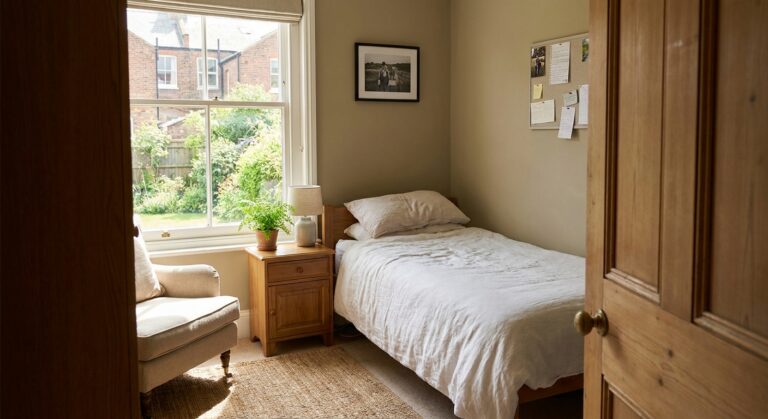
Rooms that didn’t feel clinical.
Staff who didn’t react with surprise when I told the truth.
It wasn’t about “fixing” me.
It was about holding me while I found the tiniest reasons to stay.
The Slow Return to Myself
Healing didn’t rush me.
If anything, it slowed me down in ways I didn’t know I needed.
In residential treatment, the smallest things mattered more than any big breakthrough:
- Eating a full meal and actually tasting it
- Being asked how I was—and being allowed to answer honestly
- Walking outside and feeling the cold on my face
- Sitting in group and realizing my thoughts weren’t shameful
- Hearing someone say, “You’re allowed to be tired of being alive and still want help”
These weren’t improvements.
They were reintroductions.
Moments that reminded me that numbness wasn’t the only state available to me.
One staff member said something I still carry with me:
“You don’t have to want to live forever. Just long enough to see what tomorrow feels like.”
That felt doable.

Safety Doesn’t Have to Feel Restrictive
One of my fears was being “trapped” in treatment.
I didn’t want locked doors or strict rules.
But safety at TruHealing was different.
It felt supportive, not confining.
There was structure, yes—routines that kept me grounded.
But not the kind that made you feel like you’d lost your autonomy.
It was more like:
“Here are rails you can lean on until you’re steady enough to stand.”
The day felt like a series of gentle invitations:
Group in the morning.
A real conversation with a therapist.
Breathing space in between.
Meals you didn’t have to prepare.
Moments of quiet that didn’t feel lonely.
I didn’t have to perform stability.
I could just be held by it.
Connection Was the Part I Didn’t Know I Needed
I thought people would look at me differently when I told the truth about my thoughts.
But in residential treatment, there were people who understood the “I don’t want to die, but I don’t know how to stay” space.
Not theoretically—personally.
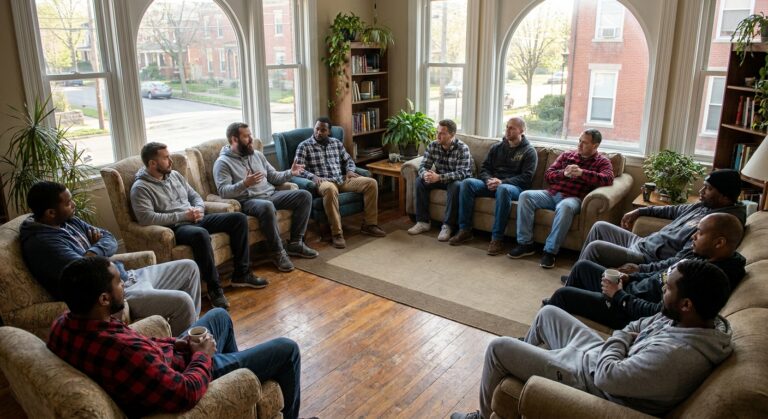
There’s something about being in a room with others who’ve been to that edge.
It makes the edge feel less sharp.
And when someone else shared something I’d never said out loud, I realized:
Oh. I’m not the only one who feels this way.
That realization held me together in ways I didn’t expect.
It also helped me start to want more—for myself, from my life, from my healing.
Rediscovering Reasons to Stay
Residential treatment didn’t hand me a new personality or erase my pain.
But it helped me notice things I’d stopped noticing:
How warm a cup of coffee feels in your hands.
What it’s like to laugh—not fully, but a little.
How music hits differently when you’re not disappearing inside yourself.
How relief can show up quietly.
These weren’t “recovery wins.”
They were reminders that life still had texture—and that maybe, just maybe, I wanted more of it.
This part wasn’t dramatic.
It was subtle, almost fragile.
But it was real.
For Anyone Who’s in That Quiet, Scary Place
If you’re hanging on by threads—not ready to disappear, but unsure how to keep going—you’re not failing.
You’re not dramatic.
You’re not “too much.”
You’re tired.
You’re overwhelmed.
You’re human.
And residential treatment isn’t about forcing you into optimism.
It’s about giving you a safe place to set everything down long enough to breathe again.
If you’re near Cincinnati—or looking for a residential treatment program in Springfield, Ohio or Indianapolis, Indiana—there are places where your pain won’t shock anyone.
Where your honesty won’t burden anyone.
Where staying—even for one more day—matters.
FAQs About Residential Treatment (When You’re Feeling Fragile)
Do I have to be “in crisis” to go to residential treatment?
No. Many people go because they’re exhausted, overwhelmed, or stuck in dark thoughts. You don’t need a dramatic breaking point to deserve help.
What if I don’t know what to say when I get there?
That’s okay. You can show up quiet. You can show up unsure. You can show up with nothing but a willingness to be there. Staff understand the fog.
Will I be judged for feeling suicidal?
No. Suicidal thoughts are treated with compassion, not shock. You are not the first person to say these things, and you won’t be the last.
How does a residential treatment program help with these thoughts?
Through structure, safety, connection, and ongoing therapeutic support. You won’t be asked to “think positive.” You’ll be supported in exploring your pain at a pace that feels safe.
What if I don’t want to stay long-term?
Treatment is not all-or-nothing. You and your clinical team can discuss timeframes, goals, and what support looks like day by day.
The Smallest Step Counts
You don’t have to be convinced.
You don’t need to feel hopeful.
You don’t have to want forever.
You just need enough willingness to reach out—even a shaky message, even a whispered truth, even a moment of “maybe.”
That’s all it takes to begin.
If you’re in a heavy moment, gentle help is here.
Call (513) 429-7900 to learn more about our Residential Treatment Program services in Cincinnati, Ohio.