
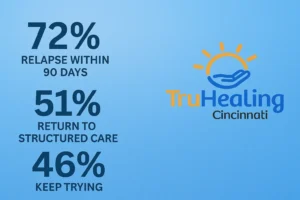
You had 90 days.
Maybe even more. You showed up to group. You did the uncomfortable stuff—walked into rooms full of strangers, talked about things you didn’t think you ever would. Maybe you laughed. Maybe you cried. Maybe you found some peace.
But then something shifted.
Sometimes it’s a quiet slide. A missed meeting. A text you shouldn’t have answered. A thought you didn’t tell anyone about. Sometimes it’s sudden—something sharp and fast that pulls you back under before you even realize what’s happening.
You find yourself looking at the calendar again. Wondering how many days it’s been since your last clean one. Feeling like the person you were becoming has vanished. Wondering if you’ve “ruined” it.
Here’s the truth: you haven’t.
Relapsing after 90 days doesn’t erase your progress. It doesn’t make you weak. It makes you human. And sometimes, it means that what you need next isn’t more shame or willpower—it’s a return to structured care. It’s a second round of support.
It’s where a partial hospitalization program comes in—and it might just save your recovery.
90 Days Is a Beginning—Not a Finish Line
There’s so much weight put on that 90-day mark. And it’s a big deal—early recovery is no joke. You fought for that clarity. But sobriety isn’t a “once and done” accomplishment. It’s a lifestyle, a process, and a relationship with yourself.
A lot of people relapse after 90 days not because they didn’t work hard—but because the real emotional work just begins there. When the pink cloud fades. When the external celebrations die down. When people stop checking in as often, thinking you’ve “got this” now.
You can feel flat. Or forgotten. Or like the loneliness is louder than it was before.
That’s not failure. That’s recovery asking for more support, not more self-punishment.
What Coming Back to PHP Really Means
If you’re reading this wondering whether you’re “allowed” to go back into treatment—especially a partial hospitalization program—the answer is: Yes. A thousand times yes.
PHP isn’t a punishment or a step backward. It’s an anchor.
It gives you:
- A daily structure to keep you from drifting too far into shame
- A chance to stabilize your body and brain again
- A space to dig deeper than you might have the first time around
- Staff who already know you, who don’t need you to prove anything
- Peers who aren’t looking for perfection—just honesty
You don’t have to go back to square one. You’re not being “sent back.” You’re choosing to continue.
What If Everyone Thinks I Messed It Up?
The louder that question gets, the more likely it is that shame is steering the wheel.
But let’s reframe it.
What if:
- People are actually relieved to hear from you?
- You coming back gives someone else the courage to do the same?
- Your story is still unfolding—and this is the part where you show up again, even when it’s hard?
At TruHealing Cincinnati, our team isn’t shocked by relapse. We don’t sit around with tally charts judging who stayed “cleanest.” We understand that addiction recovery is layered. It takes what it takes. And when you’re ready for more support, we’re here.
Whether you’re in Ohio or looking for a partial hospitalization program in Springfield, Ohio, you deserve a program that respects your effort—not just your outcomes.
You Know More Now Than You Did the First Time
When you first entered treatment, everything was new. The schedule. The language. The vulnerability. The discomfort.
Now? You’ve already done it once. That means:
- You know what helps you open up—and what shuts you down
- You understand your own relapse cues better than before
- You’ve already proven you can walk into the room and try
This time, you don’t have to spend the first two weeks trying to figure out where the coffee is or what to say when it’s your turn in group. You can just be there. That’s a huge advantage.
Recovery isn’t about being perfect. It’s about learning how to return to yourself again and again.
PHP Lets You Recommit Without Starting Over
Some people think they have to go all the way back to detox or inpatient care if they’ve relapsed. But for many, a partial hospitalization program is the perfect re-entry point.
It’s a way to re-engage deeply—while staying grounded in your life.
You’ll have:
- Full days of clinical support
- Individual therapy to dig into what triggered the return to use
- Group connection that helps normalize the shame spiral
- Medication management, if applicable
- Recovery planning that fits your real life—not just the ideal one
If you’re looking for a partial hospitalization program in Indianapolis, Indiana, TruHealing Cincinnati offers care that balances structure with real-world practicality.
You’re not being benched—you’re being stabilized. Reconnected. Resourced.
You’re Not Alone—You’re Just in the Middle
That feeling of “I ruined it all”? It’s a lie. It’s shame talking.
The truth is, most people who stay in long-term recovery have had setbacks. Many of them relapse. And most of the ones who make it through don’t do it because they never stumbled—they do it because they kept showing up.
You can too.
You’re not starting from scratch. You’re starting from experience.
You’re not falling back. You’re reaching forward.
FAQ: Coming Back to a Partial Hospitalization Program After Relapse
Will I have to explain why I relapsed?
Only as much as you want to. Your therapist might ask gentle questions, but there’s no pressure to lay out a full timeline right away. The focus is on what you need now—not on dissecting the past unless it’s helpful.
Will people judge me for being back?
No. Especially not at TruHealing Cincinnati. Many staff and peers have relapsed themselves. It’s a space built on compassion, not performance.
Can I return to PHP even if I wasn’t in it before?
Absolutely. Whether this is your first time in PHP or a return visit, the door is open. What matters is that you’re seeking support now.
What’s the difference between PHP and inpatient?
PHP (partial hospitalization) is more flexible. You attend treatment during the day but don’t stay overnight. It offers high-level support without requiring you to live on site—perfect for someone who needs a reboot without being completely pulled from daily life.
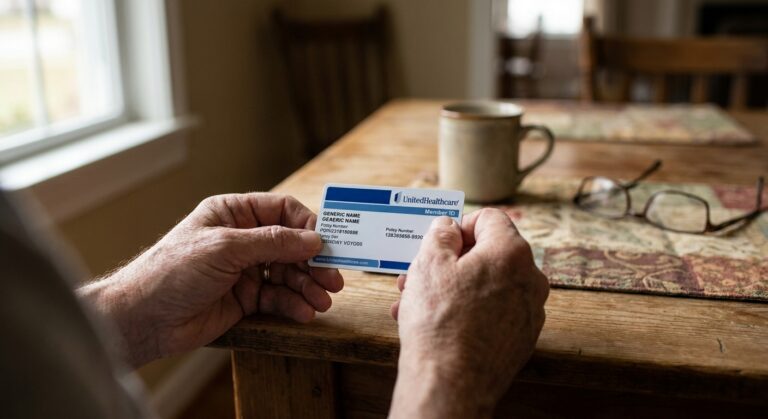
Will insurance cover PHP again if I already used benefits?
That depends on your plan, but our admissions team can help you check. Many plans cover multiple rounds of PHP if there’s a clinical need—which relapse qualifies as.
Recovery Isn’t About Getting It Right the First Time
Call (513) 429-7900 or visit our partial hospitalization program page to see what returning to care can look like for you.
You are not broken. You are not disqualified. You are not behind.
You are brave—because you’re still here. Still reaching. Still hoping that your story has more pages to turn.
We believe it does.